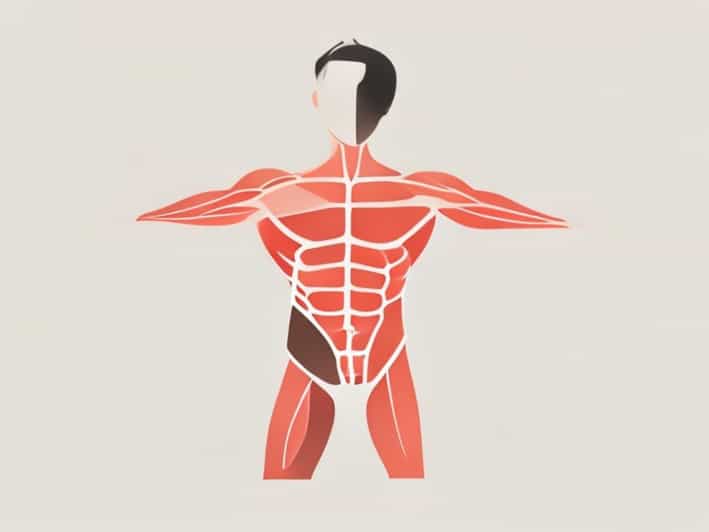
Voluntary muscles are a special group of muscles that work under conscious control, meaning they move only when we decide to use them. These muscles play a key role in everyday activities such as walking, writing, lifting objects, and even smiling. Without voluntary muscles, basic tasks like standing upright or speaking would not be possible. They are responsible for the movement of the skeleton, giving the human body its remarkable ability to perform precise and coordinated actions. Understanding where voluntary muscles are found and how they function is essential for appreciating the complexity of the human body.
What Are Voluntary Muscles
Voluntary muscles, also known as skeletal muscles, are attached to bones by tendons and are controlled by the somatic nervous system. Unlike involuntary muscles such as those found in the heart or digestive organs, voluntary muscles respond to conscious commands from the brain. They are made up of long, cylindrical fibers that appear striated under a microscope due to the arrangement of actin and myosin filaments. This structure allows them to contract quickly and with great force, making them perfect for movements that require speed and strength.
Where Voluntary Muscles Are Found
Voluntary muscles are distributed throughout the human body and are primarily connected to the skeletal system. They provide the power and flexibility needed to move the limbs, head, and torso. Below are some of the main areas where voluntary muscles are found
- Arms and ShouldersMuscles such as the biceps, triceps, and deltoids enable movements like lifting, pushing, and pulling.
- Legs and HipsQuadriceps, hamstrings, and gluteal muscles allow walking, running, jumping, and maintaining posture.
- Chest and BackPectoral muscles in the chest and latissimus dorsi in the back help with breathing and upper body strength.
- Neck and HeadMuscles like the sternocleidomastoid support head rotation and nodding, while facial muscles enable expressions.
- AbdomenCore muscles such as the rectus abdominis provide balance, stability, and support for internal organs.
Voluntary Muscles in the Face
The face contains several voluntary muscles that create expressions and assist with speech and eating. Muscles such as the orbicularis oris control the lips, while the zygomaticus major lifts the corners of the mouth to form a smile. These muscles respond quickly to emotional signals from the brain, allowing humans to communicate nonverbally.
Voluntary Muscles in the Arms and Hands
Arms and hands are rich with voluntary muscles that allow precise movements. The biceps and triceps move the forearm, while smaller muscles in the wrist and fingers enable gripping, writing, and delicate tasks like playing musical instruments. These muscles require fine motor control and are among the most frequently used voluntary muscles in daily life.
Voluntary Muscles in the Legs
The legs rely heavily on voluntary muscles for locomotion and support. Large muscles like the quadriceps and hamstrings enable walking, running, and climbing, while calf muscles such as the gastrocnemius provide the push needed to stand on tiptoe or jump. Proper functioning of these muscles is essential for maintaining balance and preventing falls.
Functions of Voluntary Muscles
Beyond movement, voluntary muscles serve several important functions in the body. They help maintain posture, generate heat to regulate body temperature, and protect internal organs by forming a muscular wall around the torso. By contracting and relaxing, they also assist with breathing and stabilizing joints during activity.
- MovementEnable walking, running, lifting, and all other forms of physical activity.
- PostureKeep the body upright and aligned, even when standing still.
- Heat ProductionGenerate warmth through muscle activity, helping maintain a stable internal temperature.
- Joint SupportStabilize bones and joints, preventing dislocations during motion.
How Voluntary Muscles Work
The contraction of voluntary muscles begins with a signal from the brain. Nerve impulses travel through the spinal cord to the muscle fibers, triggering the release of calcium ions that allow actin and myosin filaments to slide past each other. This sliding action causes the muscle to shorten, producing movement. The process requires energy in the form of adenosine triphosphate (ATP), which is generated by cellular respiration.
Care and Maintenance of Voluntary Muscles
Keeping voluntary muscles healthy is essential for overall well-being. Regular exercise strengthens muscle fibers and improves endurance, while a balanced diet provides the nutrients needed for repair and growth. Adequate rest is also important, as muscles recover and build new tissue during sleep. Stretching and proper warm-ups help maintain flexibility and prevent injuries.
- Engage in regular physical activity such as walking, swimming, or strength training.
- Consume a diet rich in protein, vitamins, and minerals to support muscle repair.
- Stay hydrated to maintain proper muscle function.
- Get enough sleep to allow for recovery and growth.
Examples of Voluntary Muscle Use in Daily Life
Everyday actions like typing on a keyboard, playing sports, cooking, or simply smiling rely on voluntary muscles. Athletes depend on well-trained voluntary muscles to enhance performance, while workers use them for lifting, carrying, or performing repetitive tasks. Even standing in one place requires constant, subtle contractions of leg and core muscles to maintain balance.
Voluntary muscles are found throughout the body, from the face and neck to the arms, legs, and torso. They give humans the ability to move, express emotions, and perform countless tasks with precision and strength. By understanding where these muscles are located and how they work, we can better appreciate their importance and take steps to keep them healthy through exercise, nutrition, and proper care. Whether lifting a heavy object or sharing a smile, voluntary muscles are always at the center of human movement and interaction.