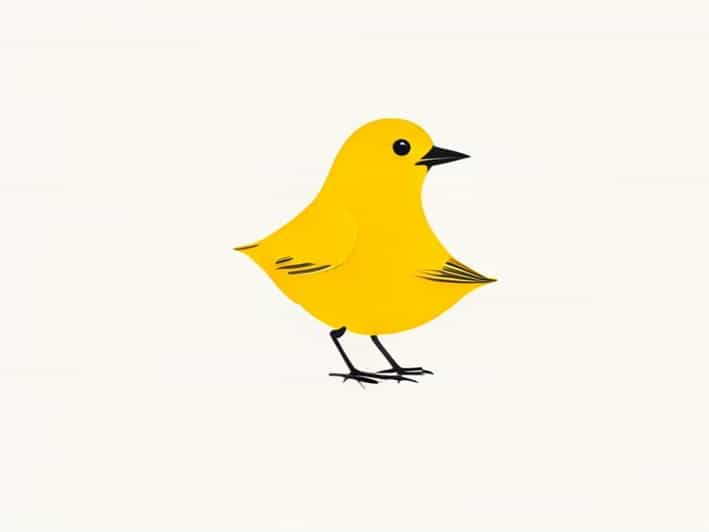
The yellowhammer bird is a striking and easily recognizable species that captivates birdwatchers and nature enthusiasts with its vivid colors and distinctive markings. Native to Europe and parts of Asia, the yellowhammer is known for its bright yellow plumage, cheerful song, and characteristic habits. Observing the physical appearance of the yellowhammer can help in identifying this bird in the wild, whether in farmlands, woodlands, or hedgerows. Understanding its features, seasonal variations, and differences between males and females provides a comprehensive view of this charming songbird and its role in the ecosystem.
General Appearance of the Yellowhammer
The yellowhammer (Emberiza citrinella) is a medium-sized bird belonging to the bunting family. It typically measures about 16 centimeters in length, with a wingspan ranging between 21 to 27 centimeters. The bird is known for its compact, slightly rounded body, short tail, and strong, conical bill, which is well-adapted for seed eating. Its bright yellow coloration, especially in males, makes it one of the most easily recognizable birds in its range. Females and juveniles are generally duller but retain similar patterns, which helps them blend into their surroundings for protection.
Males vs. Females
Male yellowhammers are particularly vibrant, with a bright yellow head and underparts, contrasted by a rich chestnut-brown streaked back. They also have yellow supercilium, or eyebrow stripe, which accentuates their facial features. During the breeding season, the male’s colors become even more intense to attract mates and assert territory. Females, on the other hand, exhibit a more subdued appearance. Their yellow is paler, and the brown streaks on their back and flanks are more pronounced. This dimorphism allows females to remain less conspicuous while nesting, reducing the risk of predation.
Distinctive Features
Several physical traits make the yellowhammer stand out in its natural habitat. Recognizing these features is crucial for birdwatchers and researchers alike.
Plumage and Coloration
- Head and FaceMales have a bright yellow crown, forehead, and face, while females have a softer yellow with brownish tinges.
- Back and WingsBoth sexes feature chestnut-brown streaks on their back and wings, providing camouflage among shrubs and grasses.
- UnderpartsThe male’s belly and chest are bright yellow, contrasting with the streaked brown flanks, while females have a paler yellow underbelly.
- TailShort and slightly forked, with brown markings that match the back.
Bill and Legs
The yellowhammer has a short, conical bill ideal for cracking seeds. Its legs are pale pink or brown, sturdy enough for perching on hedgerows, fences, and low shrubs. The strong bill and agile legs allow the bird to feed effectively both on the ground and in vegetation.
Size and Shape
Yellowhammers have a compact body shape with a rounded head and short neck. This shape, along with their vivid coloring, helps them stand out in their preferred habitats. Their wings are slightly pointed, allowing for short, direct flights when moving between feeding sites or avoiding predators.
Seasonal Variations in Appearance
The appearance of yellowhammers can change slightly with the seasons, particularly after molting periods. Males are most vibrant during the breeding season in spring and early summer, displaying brighter yellow to attract females. After the breeding season, feathers may become worn, making their colors slightly duller in late summer and autumn. Juveniles, born in spring and summer, usually have a more muted coloration with streaked brown feathers, which help them blend into the environment while they mature.
Molting and Feather Changes
Molting occurs annually, typically in late summer. During this time, worn feathers are replaced with new ones, restoring the brightness of the yellow and the clarity of the streaked patterns. Understanding molting cycles can help birdwatchers identify the age and seasonal stage of yellowhammers in the wild.
Behavior and Identification Tips
While appearance is the primary way to identify a yellowhammer, behavior and song also provide important clues. These birds are often seen perching on hedges, fence posts, or low shrubs, and they frequently feed on seeds from the ground. Their characteristic song is a distinctive a little bit of bread and no cheese tune, which helps in locating them even when they are partially hidden by foliage.
Habitat and Perching Habits
Yellowhammers prefer open countryside, farmland, and woodland edges. They are often found in Europe and parts of Asia, thriving in areas with hedgerows, grasslands, and scattered trees. Their perching habits, combined with their bright yellow head and underparts, make them relatively easy to spot for keen observers. During winter, they may form small flocks, making group identification even more rewarding.
Juveniles and Immature Birds
Young yellowhammers have more muted colors and prominent streaking compared to adults. Their head and underparts are paler, and the yellow is less pronounced. Observing juveniles requires careful attention to their shape, bill, and streaking patterns, as these features help distinguish them from other similar small birds in their habitat.
The yellowhammer bird is a visually striking species with a combination of bright yellow plumage, streaked brown back, and distinctive song that make it a favorite among birdwatchers. Males are more vividly colored, especially during the breeding season, while females and juveniles exhibit more subdued tones for camouflage. Recognizing features such as head color, streaked back, conical bill, and compact body shape is essential for accurate identification. Seasonal changes, molting, and habitat preferences also influence their appearance and visibility in the wild. By understanding what a yellowhammer looks like and how it behaves, observers can appreciate its beauty and role in the ecosystem, enhancing birdwatching experiences and fostering awareness of wildlife conservation.