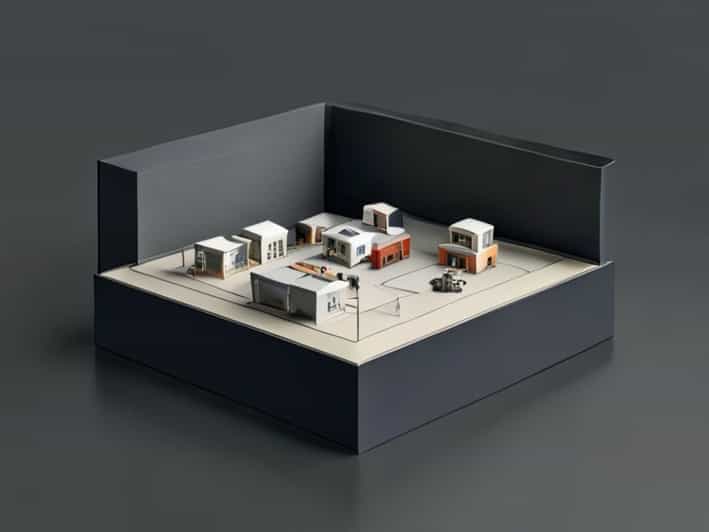
A diorama box is a miniature three-dimensional scene enclosed within a box, designed to represent real-life landscapes, historical events, fantasy settings, or scientific models in a contained and visually compelling format. Often used for educational, artistic, or display purposes, diorama boxes allow creators to simulate environments and tell stories in a small, manageable space. The combination of scale, perspective, and detail makes a diorama box an effective tool for both learning and creative expression. Understanding what a diorama box is, how it is constructed, and its various uses can reveal its significance in education, hobbyist culture, and artistic presentations.
Definition and Purpose
A diorama box is essentially a small-scale, three-dimensional representation enclosed within a box or frame. The box provides structure and perspective, allowing viewers to focus on the scene from a particular viewpoint. Dioramas can depict natural landscapes, urban environments, historical reenactments, or imaginary worlds, and they are commonly used in classrooms, museums, hobby projects, and exhibitions. The purpose of a diorama box is to convey information, tell a story, or create an artistic impression in a compact and visually engaging way.
Components of a Diorama Box
Creating a diorama box involves several key components that combine to produce a realistic or stylized scene
- Box or containerThe foundation of the diorama, often made of wood, cardboard, or plastic, providing a frame and depth.
- BaseThe bottom layer that supports the scene, often constructed from foam, clay, or other sturdy materials.
- BackgroundPainted or printed backdrops create depth, context, and atmosphere.
- Foreground elementsMiniature models, figurines, plants, buildings, or terrain that populate the scene.
- Details and texturesMaterials like sand, gravel, moss, or fabric enhance realism and tactile variety.
- LightingOptional lighting can highlight key features or create mood and dimension.
Types of Diorama Boxes
Diorama boxes can be classified based on their content, scale, and purpose. Common types include
- Educational dioramasUsed in classrooms or museums to illustrate ecosystems, scientific processes, or historical events.
- Historical dioramasRecreate significant moments in history, such as battles, ancient civilizations, or cultural practices.
- Hobby and model dioramasPopular among enthusiasts, often featuring military models, fantasy landscapes, or miniature cities.
- Artistic dioramasFocus on creative expression, abstract themes, or imaginative worlds, emphasizing aesthetics over realism.
- Interactive or animated dioramasSome include moving parts, sound, or lighting to enhance viewer engagement.
Construction Process
Building a diorama box requires planning, creativity, and careful execution. The process typically involves several steps
- Planning the sceneDecide on the subject, scale, and overall composition of the diorama.
- Choosing the boxSelect a container that provides adequate depth, width, and visibility for the scene.
- Building the base and terrainShape the ground, hills, or water features using clay, foam, or paper-mâché.
- Adding backgroundPaint or attach printed images to create context and depth.
- Placing figures and structuresPosition miniature models, trees, buildings, and characters within the scene.
- Applying textures and detailsUse materials like sand, moss, paint, or fabric to enhance realism and intricacy.
- Finishing touchesAdjust lighting, add protective covers, and refine details to complete the diorama.
Educational and Scientific Applications
Diorama boxes serve as powerful educational tools. In science classrooms, they can demonstrate ecological systems, geological formations, or astronomical models. Museums often use dioramas to present historical events, cultural practices, or natural habitats in a visually engaging manner. By providing a three-dimensional perspective, dioramas allow learners to observe relationships and details that might be difficult to understand through text or two-dimensional images alone. This hands-on approach can improve comprehension, retention, and interest in the subject matter.
Artistic and Hobbyist Significance
For artists and hobbyists, diorama boxes offer a platform for creative expression. Miniature landscapes, fantasy worlds, or military scenes are popular subjects among hobbyists. Constructing a diorama box requires both technical skill and artistic sensibility, including an understanding of perspective, color, lighting, and scale. Hobbyists often enjoy the meticulous process of crafting details and experimenting with textures, which can be both relaxing and fulfilling. Exhibitions and competitions sometimes showcase these creations, highlighting the artistry and craftsmanship involved.
Materials and Tools
Creating a diorama box involves a variety of materials and tools, chosen according to the scene and scale. Common materials include
- Foam, clay, or cardboard for terrain shaping
- Paints and brushes for background and detailing
- Miniature figurines, trees, animals, and buildings
- Glue, adhesive, or clay for assembly
- Texturing materials such as sand, gravel, moss, or fabric
- Lighting components for special effects
Tools may include craft knives, tweezers, sculpting instruments, and rulers to achieve precision and accuracy.
Benefits of Using Diorama Boxes
Diorama boxes offer several benefits across educational, professional, and recreational contexts
- Enhance visual and spatial understanding of complex subjects.
- Encourage creativity, problem-solving, and attention to detail.
- Provide an interactive and engaging learning experience.
- Serve as a medium for artistic expression and storytelling.
- Offer a tangible representation of ideas that can be displayed and shared easily.
Challenges in Creating Diorama Boxes
While diorama boxes are versatile and engaging, they come with challenges. Working on a small scale requires patience, precision, and fine motor skills. Achieving realistic proportions, textures, and perspectives can be demanding. Additionally, selecting appropriate materials and managing the assembly process without damaging delicate components requires careful planning. Despite these challenges, the satisfaction of creating a detailed, self-contained scene makes the process rewarding for many creators.
A diorama box is a miniature three-dimensional scene enclosed within a box that can depict natural, historical, or imaginative environments. Combining creativity, technical skill, and attention to detail, diorama boxes are used for education, scientific demonstration, artistic expression, and hobbyist projects. Their components, construction process, and applications make them valuable tools for visual storytelling and interactive learning. Whether used in classrooms, museums, or personal collections, diorama boxes engage viewers, enhance understanding, and inspire creativity. The craft of creating a diorama box demonstrates the enduring appeal of combining imagination with skill to produce captivating miniature worlds.