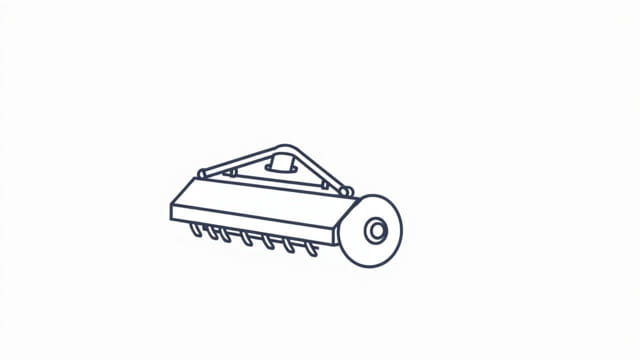
Maintaining overgrown grass, dense brush, or uneven terrain requires more than just a standard lawn mower. In such situations, a specialized tool known as a flail mower is often the best solution. Used in agriculture, landscaping, roadside maintenance, and even by municipalities, flail mowers are known for their ability to cut through thick vegetation with durability and precision. Unlike rotary mowers or finishing mowers, flail mowers are designed to handle rough environments and deliver a consistent cut while reducing the risk of debris being thrown. Understanding how flail mowers work and where they are used helps property owners and land managers make informed equipment choices.
Understanding the Flail Mower
What Is a Flail Mower?
A flail mower is a type of powered garden or agricultural equipment used for cutting heavier grass, scrub, or brush. It operates using a rotating drum (also called a rotor) that is fitted with numerous small blades, or ‘flails,’ which are attached using hinges. As the drum spins at high speed, the flails swing out and strike the vegetation, effectively cutting it down. The design of a flail mower allows it to manage dense, coarse vegetation and handle uneven ground more safely than some other mowing machines.
How It Differs From Other Mowers
Unlike rotary mowers that use one or more large blades spinning horizontally, a flail mower’s individual blades are much smaller and mounted on a cylinder. This allows for a finer, more even cut and greater adaptability on rough terrain. The flail design also minimizes the risk of injury or damage from flying debris, making it ideal for roadside and public area mowing.
Key Components of a Flail Mower
Main Parts and Their Functions
- Rotor Drum: The central axis where the flails are mounted. It rotates rapidly to generate the cutting action.
- Flail Blades: These are the cutting components. They come in different shapes and materials, designed to tackle various types of vegetation.
- Housing or Deck: The enclosure that contains the flail drum and helps prevent debris from escaping.
- Power Source: Flail mowers can be powered by tractors via a PTO (power take-off), hydraulic systems, or standalone engines.
- Mounting Options: Some flail mowers are rear-mounted, while others are designed to be attached to the front or side of a vehicle.
Types of Flail Blades
The shape of the blades impacts performance and application. Some common types include:
- Y-blades: Ideal for cutting tall grass and light brush.
- Hammer blades: Heavier and designed for tackling thick, woody plants or even small branches.
Applications of a Flail Mower
Agricultural Use
Farmers often use flail mowers to maintain pasturelands, mow cover crops, or shred corn stalks after harvest. The equipment is effective for chopping up residual plant material and returning it to the soil as organic matter.
Landscaping and Groundskeeping
Landscapers use flail mowers for managing large estates, parks, and fields that may be overgrown. Their ability to deliver a clean cut while handling tough grass and weeds makes them essential for professional groundskeeping.
Municipal and Roadside Maintenance
Flail mowers are frequently used by local governments to clear grass and brush along highways, ditches, and public rights-of-way. Their safety and reliability make them suitable for areas where flying debris could pose a risk to people or vehicles.
Forestry and Land Reclamation
For clearing overgrown woodland areas, young saplings, or invasive plants, flail mowers offer a dependable tool for reclaiming land and improving accessibility.
Advantages of Using a Flail Mower
Durability and Strength
Flail mowers are built to withstand tough conditions. They can operate in rough terrain, manage debris-laden ground, and perform reliably over time, even with intensive use.
Versatile Cutting Capabilities
From light grass to thick underbrush, flail mowers offer versatile performance. Different blade types and configurations allow users to adapt the machine to specific cutting tasks.
Increased Safety
One of the biggest advantages of a flail mower is its safety. The hinged blades and enclosed drum design significantly reduce the chances of throwing rocks, sticks, or other debris. This makes them a safer choice for populated areas or high-traffic zones.
Fine Mulching
The cutting action of the flail blades often results in smaller clippings that decompose more quickly. This mulching effect improves soil health and reduces the need for disposal of cut material.
Limitations and Considerations
Higher Maintenance
Compared to rotary mowers, flail mowers can require more frequent maintenance. The multiple moving parts, especially the flail blades and drum bearings, need regular inspection and potential replacement.
Cost and Power Requirements
Flail mowers tend to be more expensive than simpler mower types. They also often need more power to operate, which means a compatible tractor or engine must be available.
Slower Mowing Speed
Due to the nature of the cutting mechanism, flail mowers usually operate at a slower pace than rotary mowers. While this results in a finer cut, it also means that large areas take more time to mow.
Choosing the Right Flail Mower
Factors to Consider
When selecting a flail mower, keep the following in mind:
- Type of Vegetation: Choose blade styles based on what you plan to cut light grass or heavy brush.
- Terrain Conditions: Consider a model with adjustable height and durable wheels for uneven ground.
- Mounting Compatibility: Ensure the mower is suitable for your tractor or power unit.
- Working Width: A wider cutting width covers more ground but may be harder to maneuver in tight spaces.
Maintenance Tips
- Check flail blades regularly for wear and damage.
- Ensure all bolts and connections are tight before each use.
- Lubricate moving parts according to manufacturer recommendations.
- Clean debris from the mower deck after each job to prolong machine life.
A flail mower is a rugged, reliable solution for managing heavy vegetation, maintaining roadside areas, or clearing agricultural fields. Its unique cutting mechanism, made up of individual flails mounted on a rotating drum, offers unmatched versatility and safety. While it requires careful maintenance and can be more costly than simpler options, its performance in challenging environments makes it a worthwhile investment for professionals and landowners alike. Whether you’re managing a farm, overseeing municipal land, or maintaining a large estate, understanding what a flail mower is and how it works will help you make smarter, more effective land management decisions.