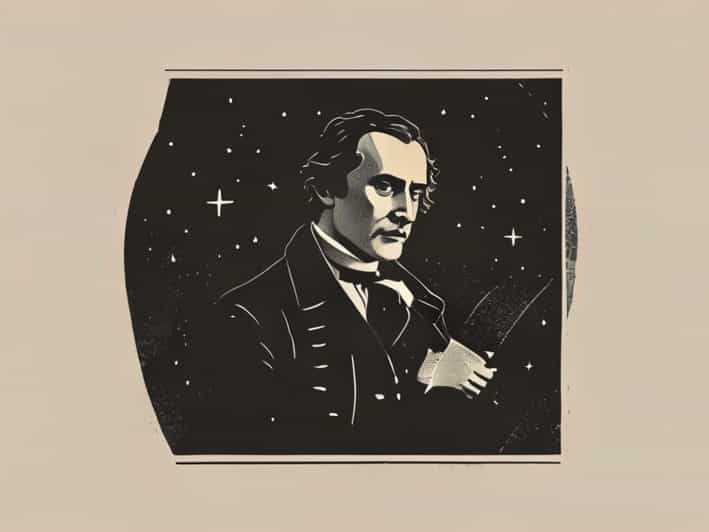
Frédéric Chopin is widely regarded as one of the greatest composers for the piano, and among his many contributions to classical music, the nocturnes stand out as some of his most beloved works. A nocturne by Chopin is a musical composition that captures the intimate, lyrical, and often melancholic atmosphere associated with the night. These pieces are renowned for their expressive melodies, rich harmonies, and technical demands on the performer. Understanding what a Chopin nocturne is, its historical context, structure, and significance in piano literature helps music enthusiasts appreciate the depth and beauty of these timeless works.
Definition of a Nocturne
A nocturne is a musical composition that evokes the mood of the night, typically performed on the piano. Chopin’s nocturnes, in particular, are characterized by a singing melody in the right hand, accompanied by arpeggiated or chordal patterns in the left hand. The term nocturne comes from the Latin word nocturnus, meaning of the night, and was popularized in the 19th century by composers such as John Field, whom Chopin admired and expanded upon. Chopin took the nocturne to new heights, infusing it with emotional depth, dynamic contrasts, and intricate ornamentation that transformed it from a simple lyrical piece into a profound artistic statement.
Historical Background
Chopin composed his nocturnes primarily between 1827 and 1846, during a period of intense creative output. He was inspired by earlier works by Irish composer John Field, who is often credited with creating the nocturne genre. Chopin refined the form, making it more expressive, technically challenging, and harmonically sophisticated. Each nocturne reflects a range of emotions, from tender introspection to passionate intensity, often revealing a personal, almost confessional quality. Many of Chopin’s nocturnes were published in sets, and they became highly influential in both Romantic piano literature and the development of piano pedagogy.
Characteristics of Chopin’s Nocturnes
Chopin’s nocturnes are distinguished by several musical characteristics that set them apart from other piano compositions
- Expressive MelodyThe right-hand melody is often lyrical and flowing, resembling a human voice with subtle phrasing and ornamentation.
- Accompaniment PatternsThe left hand typically provides arpeggiated figures, broken chords, or sustained harmonies that support the melody without overpowering it.
- RubatoChopin frequently used rubato, a flexible approach to tempo, allowing performers to expressively stretch or compress musical phrases.
- Dynamic ContrastNocturnes feature a wide range of dynamics, from delicate pianissimo passages to dramatic fortissimo climaxes.
- Emotional DepthThe pieces often convey introspection, melancholy, longing, or passionate intensity, engaging listeners on a deeply emotional level.
- Technical ChallengesDespite their lyrical nature, Chopin’s nocturnes demand precise finger control, pedaling, and expressive interpretation from the pianist.
Structure of Chopin’s Nocturnes
While Chopin did not adhere to a strict formula, his nocturnes generally follow a ternary (ABA) form
- A SectionIntroduces the main theme, typically lyrical and expressive, often in a major or minor key.
- B SectionContrasts with the A section, presenting a new theme or developing the original melody, often in a different key or with heightened emotional tension.
- Return to A SectionThe initial theme returns, sometimes with variations, ornamentation, or additional harmonic embellishments, bringing resolution to the piece.
Many nocturnes also include cadenza-like passages, trills, and expressive flourishes that allow performers to showcase their artistry and interpretive skills.
Famous Chopin Nocturnes
Chopin composed 21 nocturnes, each unique in mood and character. Some of the most famous include
- Nocturne in E-flat Major, Op. 9, No. 2One of Chopin’s most iconic nocturnes, known for its flowing, singing melody and elegant simplicity.
- Nocturne in C-sharp Minor, Op. Posth.A deeply expressive and melancholic piece, often performed to convey introspective emotions.
- Nocturne in B-flat Minor, Op. 9, No. 1Demonstrates Chopin’s skill in blending dramatic contrasts with lyrical beauty.
- Nocturne in D-flat Major, Op. 27, No. 2Features intricate ornamentation and a highly expressive melodic line, showcasing Chopin’s mature style.
Interpretation and Performance
Performing a Chopin nocturne requires more than technical proficiency; it demands a deep understanding of phrasing, tone, and emotional nuance. Pianists must balance the melodic line with the accompaniment, employ rubato tastefully, and bring out the character of each section. Interpretive decisions, such as tempo flexibility, dynamics, and articulation, allow performers to infuse personal expression into the music, making each performance unique. This interpretive freedom is part of what makes Chopin’s nocturnes enduringly popular and emotionally compelling.
Impact on Piano Literature
Chopin’s nocturnes have had a profound influence on piano music and the Romantic style. They elevated the nocturne from a simple, lyrical piece to a sophisticated form of expression, inspiring later composers such as Gabriel Fauré, Claude Debussy, and Sergei Rachmaninoff. These works also contributed significantly to the development of piano technique, demanding mastery of touch, pedaling, and expressive phrasing. Music educators frequently use Chopin’s nocturnes to teach both technical and musical skills, highlighting their enduring relevance in piano pedagogy.
Emotional and Cultural Significance
Beyond their musical innovations, Chopin’s nocturnes resonate emotionally with listeners. Their introspective, often melancholic character captures the human experience, evoking feelings of longing, nostalgia, and beauty. Culturally, they represent the Romantic era’s focus on individual expression and emotional depth. For many, listening to a Chopin nocturne is an intimate experience, connecting the audience with the composer’s artistic sensibility and the universal language of music.
A Chopin nocturne is a piano composition that embodies lyrical beauty, emotional depth, and technical sophistication. Rooted in the nocturne tradition established by John Field, Chopin expanded and refined the form, creating works that continue to captivate audiences and challenge performers. With their expressive melodies, intricate accompaniments, and interpretive freedom, Chopin’s nocturnes remain a cornerstone of piano literature and a symbol of Romantic musical artistry. Appreciating a Chopin nocturne involves understanding its historical context, musical structure, and emotional resonance, making it one of the most rewarding experiences in classical music appreciation.