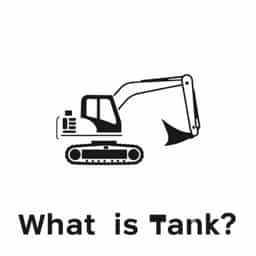
In the world of construction and heavy equipment, the term ‘track hoe’ often comes up when discussing excavation and earthmoving tools. Also known as a tracked excavator, a track hoe is a powerful piece of machinery designed for digging, lifting, and moving large amounts of soil or debris. It features a bucket attached to a long arm and operates on two continuous tracks instead of wheels. This unique setup allows it to handle rough terrain, making it a common sight on construction sites, demolition projects, and even in landscaping work. Understanding what a track hoe is, how it functions, and where it’s used is essential for professionals and enthusiasts in the construction and equipment industry.
What Is a Track Hoe?
A track hoe is a type of excavator that moves using a pair of continuous tracks, similar to the treads on a tank. The tracks provide excellent stability and traction, allowing the machine to operate efficiently on uneven or soft ground. Unlike wheeled machines, track hoes are less likely to sink into muddy or sandy terrain, making them ideal for heavy-duty outdoor work.
Basic Components of a Track Hoe
Track hoes are made up of several key parts that work together to perform digging and lifting tasks:
- Cab: The operator sits in the cab and uses joysticks or levers to control the machine’s movements.
- Boom: The long arm connected to the cab that extends outward to provide reach.
- Stick: Attached to the boom, the stick controls the position and angle of the bucket.
- Bucket: Used for digging, lifting, and scooping earth or other materials.
- Tracks: Continuous metal or rubber tracks that provide mobility and stability.
How a Track Hoe Works
A track hoe operates using a hydraulic system that powers the boom, stick, and bucket. When the operator moves the controls, hydraulic fluid is pumped through the system to move different parts of the machine. This allows for precise control over digging depth, arm extension, and bucket rotation.
Hydraulic System Advantages
- High power-to-weight ratio
- Precision in movement and digging
- Ability to lift heavy loads
- Reliable and responsive operation
The combination of hydraulic power and tracked mobility makes track hoes highly versatile and effective in many different working conditions.
Common Uses of Track Hoes
Track hoes are widely used in construction, agriculture, demolition, and mining. Their ability to dig, lift, and transport materials efficiently makes them valuable tools for various tasks.
Typical Applications
- Excavation: Digging trenches for utilities, foundations, or basements.
- Grading: Leveling ground for roads, building pads, or landscaping.
- Demolition: Breaking down old structures using specialized attachments like hydraulic breakers.
- Forestry: Removing trees, stumps, and brush with appropriate attachments.
- Mining and Quarrying: Digging and transporting rocks and minerals.
Advantages of Using a Track Hoe
One of the main reasons contractors and machine operators choose track hoes is because of the numerous benefits they offer in heavy equipment operations. Below are some of the most important advantages:
- Stability: The wide, flat tracks distribute weight evenly, making the machine more stable on uneven surfaces.
- Versatility: Track hoes can handle a wide range of tasks with the help of interchangeable attachments.
- Efficiency: These machines can complete large-scale projects faster than manual labor or smaller tools.
- Reach: Long booms and arms allow them to work over obstacles and reach difficult areas.
- Reduced Ground Pressure: Tracks spread the weight out, causing less damage to the ground than wheeled machines.
Types of Track Hoes
Track hoes come in different sizes and configurations, each designed to suit specific tasks and work environments. Choosing the right type of track hoe depends on the job requirements and terrain conditions.
Mini Track Hoes
Also known as compact excavators, mini track hoes are ideal for small jobs or tight spaces. They’re commonly used in residential construction, landscaping, and utility installation. Despite their smaller size, they offer impressive power and maneuverability.
Standard Track Hoes
These medium-sized machines are often used in general construction and roadwork. They offer a balance between digging depth, lifting capacity, and mobility.
Large Track Hoes
Built for major earthmoving or mining operations, large track hoes are capable of handling massive volumes of material. These machines require skilled operators and are typically seen in industrial-scale projects.
Track Hoe Attachments
One of the key features that make a track hoe versatile is its ability to use various attachments. These tools can be swapped out depending on the nature of the work.
Common Attachments Include:
- Hydraulic Breakers: For breaking up concrete, asphalt, or rocks.
- Grapples: For handling logs, debris, or scrap metal.
- Augers: Used for drilling holes in the ground for posts or foundations.
- Thumbs: Added to buckets for gripping large objects more securely.
- Rippers: Used to break up compacted soil or frozen ground.
Safety Tips for Operating a Track Hoe
Operating a track hoe requires training and awareness of safety protocols. These machines are powerful and can be dangerous if not handled correctly.
Operator Safety Guidelines
- Always wear appropriate personal protective equipment (PPE).
- Inspect the machine before each use for any mechanical issues.
- Be aware of underground utilities and overhead wires before digging.
- Never exceed the lifting capacity of the machine.
- Use seatbelts and keep doors closed during operation.
Maintenance and Care
Regular maintenance ensures that a track hoe remains in good working condition. Neglecting basic care can lead to costly repairs and downtime.
Basic Maintenance Checklist
- Check hydraulic fluid levels regularly.
- Inspect tracks for wear and tear.
- Clean filters and radiators to prevent overheating.
- Lubricate moving parts to reduce friction.
- Schedule routine inspections with qualified technicians.
A track hoe is an essential piece of equipment in modern construction, excavation, and demolition work. Its track-driven system provides exceptional stability and mobility, allowing it to operate in challenging environments where wheeled vehicles might struggle. With the ability to handle a variety of attachments, track hoes offer unmatched versatility for both large-scale projects and smaller residential tasks. Whether you’re digging a foundation, clearing a lot, or working in a quarry, a track hoe can get the job done efficiently and reliably. Understanding how this machine works, what it can do, and how to use it safely will help ensure success in any project involving earthmoving or excavation.