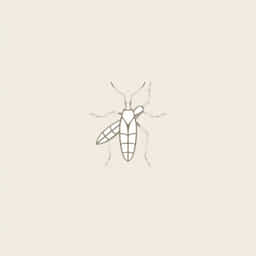
Among the most destructive pests in home gardens and commercial agriculture, the vine borer is particularly feared by growers of squash, zucchini, pumpkins, and other cucurbits. These pests are not immediately visible like aphids or beetles, but their damage can be far more severe. Often, a healthy-looking plant can suddenly wilt and collapse, revealing a hidden infestation that has gone unnoticed until it is too late. Understanding what a vine borer is, how it lives, and how to prevent or manage its damage is crucial for anyone growing vine crops and looking to maintain a healthy, productive garden.
What Is a Vine Borer?
A vine borer is the larval stage of a moth known as the squash vine borer (Melittia cucurbitae). The adult moth resembles a wasp with an orange-red body and black markings. It lays its eggs on the stems of susceptible plants, and once the larvae hatch, they bore into the vines to feed, effectively cutting off the plant’s water and nutrient flow. This internal feeding causes sudden wilting and often leads to plant death.
Although most commonly associated with squash and zucchini, vine borers also attack pumpkins, gourds, and occasionally cucumbers. Their impact can be devastating, especially if not detected early in the growing season.
Life Cycle of a Vine Borer
Understanding the vine borer’s life cycle helps in timing control strategies and anticipating when plants are at risk.
1. Egg Stage
Adult moths typically appear in early summer. They lay small, flat, brownish eggs singly on the lower stems and occasionally on leaf stalks. These eggs hatch in about 7 to 10 days.
2. Larval Stage
The newly hatched larvae immediately bore into the stem of the host plant. As they tunnel through the vine, they feed on the inner tissues, disrupting the plant’s ability to transport water and nutrients. The larvae continue feeding inside the plant for about 4 to 6 weeks, growing to about 1 inch in length. This is the stage where the most damage is done.
3. Pupation
Once fully grown, the larvae exit the plant and burrow into the soil where they form cocoons and overwinter as pupae. They emerge as adult moths the following season to begin the cycle again.
4. Adult Stage
Adult squash vine borers are day-flying moths, active in the morning and early afternoon. They resemble wasps and are often mistaken for beneficial pollinators. However, they are the source of the destructive larvae that follow.
Signs of Vine Borer Infestation
Vine borers often go undetected until the damage is severe. Gardeners should look for these key symptoms:
- Sudden wiltingof vines, especially during the heat of the day, even if the plant has been well watered.
- Frass(a sawdust-like excrement) around the base of the stem where the larvae have entered.
- Holesor splits in the vine stem, usually near the soil line.
- Rapid plant declineand eventual collapse if the infestation is not controlled.
Early detection is essential, as once the larvae are inside the stem, they are protected from most external treatments.
Prevention and Control Methods
Managing vine borers requires a combination of monitoring, prevention, and treatment techniques. Here are some effective methods:
1. Timing and Planting Strategies
- Early or late planting: In areas with predictable borer emergence times, planting early or late can help crops avoid peak moth activity.
- Succession planting: Planting new vines every few weeks can ensure that some crops escape damage.
2. Physical Barriers
- Row covers: Floating row covers can prevent moths from laying eggs, but they must be removed during flowering to allow pollination unless hand-pollination is used.
- Stem wrapping: Wrapping the base of the plant with aluminum foil or cheesecloth can make it harder for larvae to penetrate the vine.
3. Monitoring and Inspection
- Check stems regularly: Look for eggs or signs of frass near the base of the plant.
- Squash bug traps: Yellow sticky traps may help catch adult moths, although they are more effective as monitoring tools than control methods.
4. Biological and Organic Control
- Beneficial nematodes: These microscopic worms can be applied to the soil to target pupating larvae.
- Bacillus thuringiensis (Bt): This naturally occurring bacteria can be injected into the stem to kill larvae, but timing is critical.
5. Surgical Intervention
If frass is detected and the plant is still alive, it’s possible to cut the stem open with a sharp knife and remove the larvae manually. After removing the pest, cover the cut area with soil and water well to encourage new root growth from the buried stem.
6. Crop Rotation and Garden Sanitation
- Rotate crops annually: Avoid planting cucurbits in the same spot each year to reduce overwintering pupae.
- Clean up debris: Remove and destroy vines after harvest to eliminate pupation sites.
Vine Borer-Resistant Plants
Some cucurbit varieties are less susceptible to vine borers. For example, butternut squash, acorn squash, and cucumbers tend to be less affected. Selecting these varieties can reduce the likelihood of severe infestations.
Integrated Pest Management for Vine Borers
Integrated Pest Management (IPM) involves using multiple control methods to manage pests in an environmentally and economically sustainable way. For vine borers, an IPM approach includes:
- Regular monitoring for eggs and damage.
- Use of row covers during peak egg-laying periods.
- Biological controls like beneficial nematodes and Bt.
- Mechanical removal of larvae when feasible.
- Sanitation and crop rotation to break the life cycle.
Vine borers are a serious threat to cucurbit crops, especially in home gardens where early detection and intervention may be overlooked. These pests can cause rapid and irreversible damage, often just as the plants begin to produce fruit. However, with attentive monitoring, proper planting practices, and a combination of control methods, vine borer infestations can be minimized or avoided. Understanding the pest’s life cycle, recognizing the signs of attack, and taking preventive action are all key to protecting your garden from this hidden but harmful invader. Whether you are a backyard gardener or a small-scale farmer, staying one step ahead of the vine borer will help ensure a successful and healthy harvest.