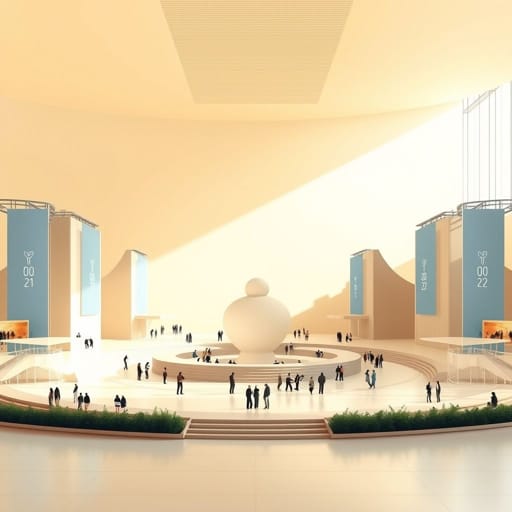
World Expos, also known as World’s Fairs or Universal Expositions, are major international exhibitions designed to showcase the achievements of nations across various fields such as science, technology, culture, and innovation. These events bring together countries from around the globe to exchange ideas, display inventions, promote progress, and strengthen international cooperation. Held periodically in different host cities, a World Expo is a unique blend of education, entertainment, and diplomacy that spans several months and attracts millions of visitors.
History and Origin of World Expos
The concept of a World Expo dates back to the 19th century, with the first recognized exposition being the Great Exhibition of 1851 held in London’s Crystal Palace. This event was organized to showcase the industrial advancements of the time and to celebrate global trade and innovation. Since then, World Expos have evolved into large-scale platforms for promoting technological and cultural exchange.
The Role of the Bureau International des Expositions (BIE)
The Bureau International des Expositions (BIE), established in 1928, is the intergovernmental organization responsible for overseeing the organization and regulation of World Expos. The BIE ensures that each expo follows a set of guidelines regarding theme, participation, duration, and structure. The organization also approves applications from countries wishing to host the event.
Types of Expos
There are several types of international exhibitions governed by the BIE, each with its own characteristics and purposes:
- World Expos (Universal Expositions): These are large-scale events held every five years and can last up to six months. They address a general theme and allow participating countries to build their own pavilions.
- Specialized Expos: Held between World Expos, these are shorter and more focused on a specific theme. The host country provides pavilion space to participants.
- Horticultural Expos: Approved by the International Association of Horticultural Producers (AIPH) and recognized by the BIE, these expos focus on gardening, landscaping, and sustainable living.
The Structure of a World Expo
World Expos are built around a central theme that reflects current global challenges or aspirations. This theme serves as the foundation for national exhibits, discussions, and programs throughout the duration of the event.
Theme and Sub-Themes
Each expo is defined by a core theme such as Feeding the Planet, Energy for Life (Expo 2015 in Milan) or Connecting Minds, Creating the Future (Expo 2020 in Dubai). These themes are further broken down into sub-themes that guide the design of national pavilions and educational content.
National Pavilions
One of the most exciting features of a World Expo is the national pavilions. Each participating country designs its own space to reflect its culture, innovation, and interpretation of the expo’s theme. These pavilions often include interactive displays, multimedia presentations, culinary tastings, and artistic performances. Some pavilions are designed by world-renowned architects and become architectural highlights of the event.
Exhibition Grounds and Public Spaces
The expo site typically covers a vast area with exhibition zones, gardens, restaurants, entertainment venues, and learning centers. These public spaces are essential for hosting conferences, concerts, workshops, and social gatherings that foster intercultural dialogue and education.
Significance and Impact of World Expos
World Expos play a multifaceted role in shaping international relations, cultural exchange, and economic development. Their impact goes beyond the event itself and often has long-lasting effects on the host country and participants.
Cultural Exchange and Global Dialogue
World Expos serve as platforms for countries to share their cultural heritage, traditions, and visions for the future. Visitors experience a rich diversity of perspectives, allowing for greater understanding and appreciation of global diversity. This cultural diplomacy helps strengthen relationships between nations and promote peace and cooperation.
Innovation and Technological Advancement
Historically, World Expos have introduced the public to groundbreaking innovations. Some notable inventions first presented at expos include the telephone (1876, Philadelphia), the Eiffel Tower (1889, Paris), and touchscreens (1982, Knoxville). These exhibitions provide an opportunity for businesses, universities, and inventors to showcase prototypes, research, and products that address global issues like sustainability, urbanization, and digital transformation.
Economic and Urban Development
Hosting a World Expo can significantly boost a city’s economy and infrastructure. It leads to the development of new transportation systems, hotels, green spaces, and cultural institutions. For example, Expo 1992 in Seville contributed to modernizing the city’s infrastructure, while Expo 2010 in Shanghai led to urban revitalization and increased tourism. The long-term benefits often depend on how well the city plans for the post-expo use of the site and facilities.
World Expo Highlights from History
Many World Expos have left a lasting mark on history. Here are a few significant examples:
- London 1851: The very first international exhibition, showcasing global industrial achievements and promoting world peace through trade.
- Paris 1889: Introduced the Eiffel Tower, which was originally intended as a temporary structure for the event.
- Osaka 1970: The first expo held in Japan, with a focus on Progress and Harmony for Mankind. It drew over 60 million visitors.
- Shanghai 2010: With the theme Better City, Better Life, it became the most attended World Expo in history, attracting over 70 million people.
- Dubai 2020 (held in 2021 due to the pandemic): Brought together 192 countries under the theme of global collaboration and sustainable innovation.
Future of World Expos
As the world faces increasing challenges such as climate change, technological disruption, and social inequality, the role of World Expos remains vital. These events offer a space for global reflection and collective action. Future expos are expected to further integrate virtual technologies, sustainability practices, and inclusive participation.
Upcoming Expos
The next scheduled World Expo will be held in Osaka, Japan in 2025, with the theme Designing Future Society for Our Lives. This expo aims to explore how technological innovation and social systems can improve quality of life across the globe. With advances in digital connectivity, the event is expected to blend physical and virtual experiences more seamlessly than ever before.
Visiting a World Expo
Attending a World Expo is a once-in-a-lifetime experience for many. Visitors should plan in advance to make the most of their trip. Each expo runs for six months, and the number of activities and exhibits can be overwhelming, so a strategic itinerary is helpful.
Tips for Expo Visitors
- Study the expo map and schedule in advance
- Prioritize national pavilions based on interests
- Attend cultural performances and thematic workshops
- Try traditional foods from different countries
- Engage in interactive exhibits and educational activities
World Expos welcome people of all ages and backgrounds, making them ideal destinations for families, educators, students, and curious travelers who want to learn and connect with the world.
A World Expo is much more than a trade show or a museum it is a global stage where nations come together to share knowledge, ideas, and dreams. With a history rooted in celebration, progress, and unity, these events inspire collaboration and offer a vision of a better, more connected future. Whether you visit one in person or follow it from afar, a World Expo provides a rare opportunity to witness the world in one place and explore the endless possibilities that come from working together across borders.
#kebawah#