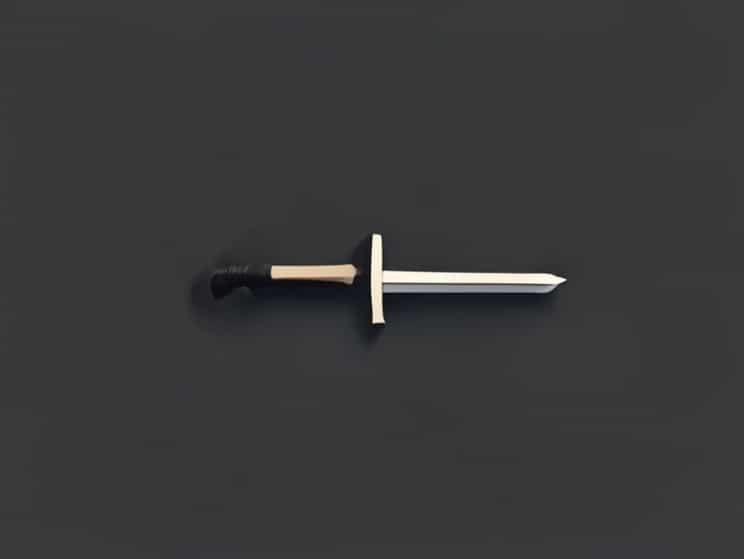
When people hear the term épée sword, they often imagine fencing matches or scenes from European history. The épée is a type of thrusting weapon used in modern fencing as well as in historical duels. Known for its long, narrow blade and unique rules in the sport, the épée sword has become an important symbol of skill, discipline, and tradition. Understanding what an épée sword is requires exploring its design, its role in fencing, and its historical background. For athletes, historians, and enthusiasts alike, this weapon is more than just a piece of steel-it is part of a living tradition.
Definition of an Ãpée Sword
The épée is one of the three main swords used in the sport of fencing, along with the foil and the sabre. Unlike the other two weapons, the épée is designed solely for thrusting. This means points are scored only when the tip of the blade makes contact with the opponent. Its blade is triangular in cross-section, stiff, and usually measures up to 90 centimeters in length. Because the épée is heavier than the foil, it requires a different approach to technique and strategy in fencing competitions.
Physical Characteristics of the Ãpée
One of the easiest ways to identify an épée sword is by its design. Each part of the weapon has a specific purpose, making it effective for its role in fencing.
- BladeLong, straight, and triangular in cross-section, designed for thrusting attacks.
- GuardA large, circular hand guard protects the fencer’s hand from touches, which are valid targets in épée fencing.
- GripCan vary in style, but common grips include the French grip and pistol grip, each offering different advantages in reach and control.
- TipThe tip of the blade is fitted with a button connected to electronic scoring equipment to register valid touches.
How the Ãpée Differs from Other Fencing Swords
When asking what is an épée sword, it is helpful to compare it with the foil and sabre. These three weapons define modern fencing, but each has unique rules and characteristics.
- Target AreaIn épée, the entire body is a valid target. This is different from the foil, where only the torso counts, and the sabre, where the upper body is the valid zone.
- Priority RulesThe épée does not use the concept of right-of-way. If both fencers hit at nearly the same time, each receives a point, unlike foil and sabre where rules determine who wins the point.
- WeightThe épée is heavier than the foil and sabre, which changes the pace and style of combat.
Historical Background of the Ãpée
The épée sword evolved from the smallsword, a popular dueling weapon in Europe during the 17th and 18th centuries. Smallswords were lightweight thrusting weapons carried by gentlemen for personal defense and formal duels. Over time, dueling with these swords developed into a structured sport, leading to the creation of fencing as we know it today. The épée became a distinct fencing weapon in the 19th century, designed to simulate real dueling conditions. Unlike foil fencing, which emphasized precision and rules, épée fencing rewarded direct, decisive touches, reflecting the seriousness of historical duels.
The Role of the Ãpée in Modern Fencing
In today’s fencing competitions, the épée is one of the three official Olympic weapons. Because the entire body is a target, épée matches are often considered more realistic simulations of combat compared to foil and sabre. The absence of right-of-way rules also means that timing, distance control, and patience play a huge role in scoring points. Many fencers are drawn to épée because it emphasizes strategy and precision over speed and aggressive attacks.
Techniques Used with the Ãpée
Mastering the épée sword requires a blend of physical skill and mental discipline. Some of the main techniques include
- LungeA powerful forward movement to extend reach and deliver a thrust.
- ParryDefensive action using the blade to deflect an opponent’s attack.
- RiposteA counter-attack made immediately after a successful parry.
- Point ControlBecause only the tip scores, precise control of the blade is essential.
Training with the Ãpée
Fencers who train with the épée sword often focus on endurance, patience, and timing. Unlike sabre fencing, which is fast and aggressive, épée bouts may involve long stretches of strategic movement as fencers wait for the right moment to strike. Coaches emphasize accuracy, proper footwork, and the ability to outthink the opponent. Because any part of the body can be targeted, training also involves protecting less obvious areas, such as the hand or foot, from quick strikes.
The Ãpée in Popular Culture
Although the épée is primarily associated with fencing competitions, its origins in dueling give it a place in literature and film. Historical dramas, novels, and adventure stories often depict duels with weapons resembling the épée or its predecessor, the smallsword. These representations emphasize honor, precision, and the personal nature of combat. The épée’s sleek design makes it recognizable and visually striking in cultural depictions of fencing and European dueling traditions.
Why People Choose the Ãpée
For many fencers, choosing the épée over foil or sabre comes down to personal preference and fencing philosophy. Those who enjoy a slower-paced but highly strategic match often find the épée rewarding. The fact that the entire body is a target also adds a layer of realism, making every movement potentially dangerous. Beginners sometimes find épée more straightforward because there are fewer complex rules, while advanced fencers appreciate the depth of tactical opportunities it provides.
Safety Considerations with the Ãpée Sword
Even though the épée sword has a pointed tip, it is not sharp. Modern fencing equipment ensures safety through protective clothing, masks, and electronic scoring systems. The button at the tip of the épée registers touches without causing harm. However, protective gear is always required, and proper training is essential to avoid injury during practice or competition.
Collecting and Preserving Ãpée Swords
Outside of sports, some people collect épée swords as historical artifacts or decorative pieces. Antique versions can be valuable, especially those linked to famous fencers or historical duels. Collectors often preserve them as part of fencing’s cultural and martial heritage. While modern épées are designed for competition, antique ones reflect craftsmanship and history.
Understanding what an épée sword is involves appreciating both its history and its modern role in fencing. It is more than just a weapon; it represents centuries of dueling tradition and the evolution of sport. With its emphasis on thrusting, strategy, and precision, the épée offers a unique fencing experience distinct from foil and sabre. Whether used in Olympic competitions, historical reenactments, or personal collections, the épée sword continues to hold cultural and sporting significance. For anyone curious about fencing or European martial history, learning about the épée is a fascinating journey into both past and present.