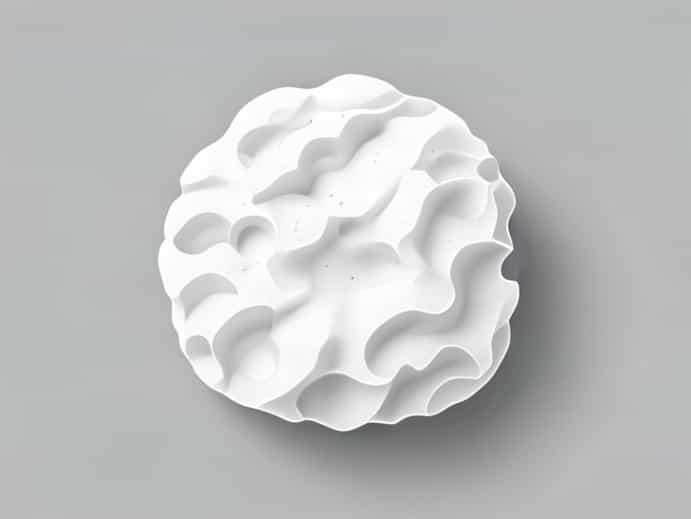
Convoluted foam is a unique type of foam that has gained popularity for its versatility and effectiveness in providing comfort, support, and protection in various applications. Known for its distinctive egg-crate-like texture, convoluted foam is designed to distribute weight evenly and enhance airflow, making it a preferred choice in products ranging from mattresses and cushions to packaging and medical supports. Its structure not only improves pressure relief but also contributes to durability and resilience, ensuring long-lasting performance. Understanding convoluted foam, its benefits, and applications can help consumers, manufacturers, and designers make informed decisions when selecting foam materials for different purposes.
Definition of Convoluted Foam
Convoluted foam refers to foam that has been processed to have a textured surface with peaks and valleys, often resembling an egg crate. This design increases the surface area of the foam and allows it to conform more effectively to shapes and contours, which helps in distributing weight and reducing pressure points. Convoluted foam can be made from various materials, including memory foam, polyurethane foam, and other synthetic or natural foams, depending on the intended application. Its structure makes it distinct from flat foam sheets, providing both functional and comfort advantages.
Characteristics of Convoluted Foam
Convoluted foam possesses several notable characteristics that make it useful across different industries
- Textured SurfaceThe foam is molded or cut to create peaks and valleys that resemble an egg crate.
- Pressure ReliefIts design helps in distributing body weight evenly, reducing stress on pressure points.
- Airflow and VentilationThe grooves and channels in convoluted foam improve air circulation, which helps regulate temperature and reduce moisture buildup.
- DurabilityConvoluted foam is resilient and can maintain its shape and support over time.
- VersatilityIt can be used in bedding, packaging, soundproofing, medical supports, and more.
Applications of Convoluted Foam
Convoluted foam is widely used across several industries due to its unique properties. Its applications include
1. Bedding and Sleep Products
Convoluted foam is commonly used in mattresses, mattress toppers, and pillows. The egg-crate design helps reduce pressure points on shoulders, hips, and back, promoting better spinal alignment and comfort during sleep. Its ventilation properties also help in maintaining a cooler sleeping surface, which is particularly beneficial for memory foam products that tend to retain heat.
2. Medical and Therapeutic Uses
In healthcare, convoluted foam is often used for medical mattresses, wheelchair cushions, and therapeutic pads. Patients who are bedridden or have limited mobility benefit from the foam’s pressure-relieving properties, which help prevent bedsores and improve circulation. It is also used in rehabilitation products, where customized foam supports assist with recovery and comfort.
3. Packaging and Shipping
The protective qualities of convoluted foam make it ideal for packaging fragile items such as electronics, glassware, and delicate instruments. The foam absorbs shock and vibrations during transport, reducing the risk of damage. The flexibility of convoluted foam also allows it to conform to irregular shapes, providing a secure cushioning effect for various products.
4. Soundproofing and Acoustic Treatment
Convoluted foam is often used in studios, theaters, and industrial settings for acoustic management. Its textured surface helps scatter sound waves, reducing echoes and improving sound quality. It is commonly applied to walls, ceilings, and other surfaces to enhance acoustics and minimize noise pollution.
Benefits of Convoluted Foam
The advantages of convoluted foam extend beyond comfort, making it a preferred choice in multiple contexts
- Enhanced ComfortIts ability to conform to shapes and distribute weight evenly makes it comfortable for extended use.
- Pressure Point ReductionEspecially beneficial in bedding and medical applications, it reduces stress on critical areas.
- Improved AirflowThe design facilitates ventilation, keeping surfaces cooler and drier.
- VersatilityCan be tailored for different densities and thicknesses depending on the intended use.
- Durability and LongevityMaintains shape and functionality over long periods, even under frequent use.
Types of Convoluted Foam
While the general structure of convoluted foam is consistent, there are variations depending on material composition and intended purpose
- Memory Foam Convoluted FoamOffers adaptive support and contouring for mattresses and therapeutic cushions.
- Polyurethane Convoluted FoamCommon in packaging, furniture, and general-purpose cushioning.
- Latex Convoluted FoamProvides natural resilience and breathability, often used in eco-friendly bedding products.
Factors to Consider When Choosing Convoluted Foam
Selecting the right convoluted foam depends on several factors, including
- DensityHigher-density foam offers firmer support and durability, while lower-density foam is softer and more flexible.
- ApplicationFoam for medical use should prioritize pressure relief, whereas packaging foam should focus on shock absorption.
- ThicknessThe height of the peaks and valleys affects comfort, support, and protection capabilities.
- Material CompositionMemory foam, polyurethane, or latex each provide different levels of support, breathability, and resilience.
Care and Maintenance
Proper care of convoluted foam extends its lifespan and maintains its functionality. Some key tips include
- Regularly rotating mattresses or cushions to prevent uneven wear.
- Cleaning with mild soap and water or a vacuum to remove dust and debris.
- Avoiding prolonged exposure to moisture, which can degrade foam structure.
- Using protective covers for bedding or medical applications to maintain hygiene and durability.
Convoluted foam is a versatile and effective material used in a wide range of applications, from bedding and medical supports to packaging and acoustic treatments. Its distinctive egg-crate design enhances comfort, promotes airflow, and reduces pressure points, making it particularly valuable in healthcare and sleep products. The choice of foam material, density, and thickness can significantly influence its performance and suitability for specific purposes. By understanding the benefits, applications, and characteristics of convoluted foam, consumers and manufacturers can make informed decisions to maximize comfort, protection, and durability in their products.
Overall, convoluted foam exemplifies how innovative material design can address practical challenges in everyday life, offering solutions that improve health, comfort, and safety. Whether in a mattress that supports restful sleep, a wheelchair cushion that prevents pressure sores, or packaging that protects delicate goods during shipping, convoluted foam continues to be a trusted and widely used material in diverse industries.