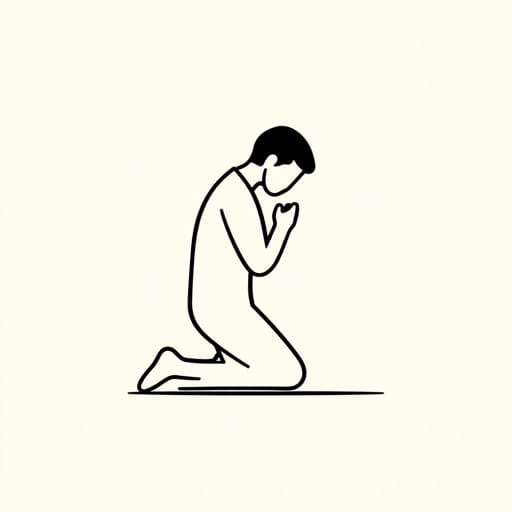
The English language includes many irregular verbs, and one of them is the verb kneel. Understanding the past tense of kneel is essential for learners, writers, and speakers who aim for grammatical accuracy and clarity. While many verbs follow a standard -ed past tense pattern, kneel offers some flexibility. Both knelt and kneeled are used in English, which often raises questions about usage, correctness, and context. This topic will guide you through everything you need to know about the past tense of kneel.
Definition and Base Form
To begin, let’s understand what the verb kneel means. The base form of kneel refers to the action of resting on one or both knees, often as a sign of respect, submission, or worship. It is a commonly used verb in both literal and figurative expressions in English.
Examples of the Base Form
- Every morning, she kneels to pray.
- The knight kneels before the queen.
- He kneels beside the injured dog.
The Past Tense of Kneel
The verb kneel has two accepted past tense forms: knelt and kneeled. Both are grammatically correct, but their usage may differ depending on region and style preference. The form knelt is more commonly used in British English, while kneeled is more frequently found in American English. Nonetheless, both forms are mutually understood and accepted in most English-speaking contexts.
Knelt The Traditional Past Tense
Knelt is considered the more traditional and commonly used past tense of kneel, particularly in British English. It follows the irregular verb pattern, where the internal spelling changes rather than simply adding -ed.
Examples Using Knelt
- She knelt down to tie her shoe.
- The soldier knelt during the memorial ceremony.
- He knelt before the altar in silence.
Kneeled The Regular Form
Kneeled follows the regular past tense formation by adding -ed to the base form. While it is not incorrect, it is less commonly used in formal writing or literature. However, in American English, kneeled may appear more frequently, especially in casual speech or contemporary writing.
Examples Using Kneeled
- The little girl kneeled beside her pet.
- He kneeled on the floor to fix the loose tiles.
- They kneeled in prayer during the service.
Past Participle and Present Perfect Usage
Whether you use knelt or kneeled, both forms also serve as the past participle of the verb. This means they are used in perfect tenses like the present perfect and past perfect.
Examples in Perfect Tenses
- She has knelt every morning since childhood.
- He had kneeled before entering the sacred temple.
- They have knelt during every national anthem.
As shown above, the past participle matches the past tense in both irregular and regular forms, allowing for flexibility and variation in style.
Usage in Literature and Modern English
Writers and speakers often choose between knelt and kneeled based on tone, rhythm, and preference. For instance, in poetic or formal contexts, knelt may sound more refined and traditional. In contrast, kneeled might feel more modern or colloquial.
Literary Example
In many classic literary works, knelt is the favored form:
He knelt beside her bed, whispering words of comfort.
This usage evokes a timeless, solemn tone that suits formal narratives or emotional scenes.
Which Form Should You Use?
Both knelt and kneeled are grammatically valid. The choice between them may come down to:
- Regional preference: British English favors knelt, while American English may lean toward kneeled.
- Formality: Knelt sounds more formal or literary, while kneeled fits casual or spoken English.
- Consistency: Whichever form you choose, it is best to remain consistent throughout your writing.
Other Similar Irregular Verbs
Kneel is not the only verb with two acceptable past tense forms. Some other verbs follow a similar pattern:
- Dream: dreamed/dreamt
- Learn: learned/learnt
- Burn: burned/burnt
- Smell: smelled/smelt
These verbs, like kneel, offer both regular and irregular past tense options, and their usage often depends on geography or personal style.
Common Mistakes to Avoid
When using the past tense of kneel, some common errors include:
- Using kneel instead of knelt or kneeled in the past tense.
- Mixing knelt and kneeled inconsistently in the same piece of writing.
- Misusing it in perfect tenses by pairing it with the wrong auxiliary verb (e.g., saying she did knelt instead of she knelt or she did kneel).
To avoid these mistakes, it’s helpful to revise and double-check verb forms, especially in formal or academic writing.
The past tense of kneel can be either knelt or kneeled. Both are correct, but knelt is generally more traditional and common in British English, while kneeled appears more in American English. Understanding the use of irregular verbs like kneel helps improve both written and spoken communication. Whether you choose knelt or kneeled, being consistent and context-aware is the key to effective grammar. By mastering verbs like kneel and their past forms, you take another confident step toward fluency in English.