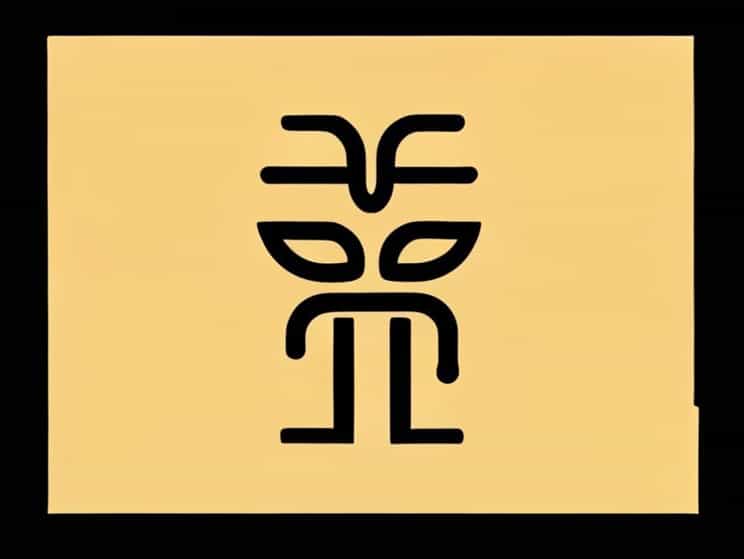
The Phoenician alphabet is one of the most significant writing systems in human history, serving as the foundation for many modern alphabets including Greek, Latin, and Hebrew. Developed by the ancient Phoenicians around 1050 BCE, this alphabet simplified writing by using symbols to represent sounds rather than complex pictographs or ideograms. Its creation allowed for more efficient communication, record-keeping, and trade across the Mediterranean region, where the Phoenicians were prominent merchants and sailors. Understanding the Phoenician alphabet reveals not only the origins of modern written language but also the cultural and economic influence of the Phoenician civilization.
Origins of the Phoenician Alphabet
The Phoenician alphabet emerged in the ancient Near East, in the region that corresponds roughly to modern-day Lebanon, Syria, and northern Israel. The Phoenicians were a seafaring people who engaged in extensive trade networks throughout the Mediterranean. To facilitate commerce and record transactions efficiently, they needed a simpler, more practical system than the complex cuneiform and hieroglyphic scripts used by neighboring civilizations. This necessity led to the development of a consonant-based alphabet that could be learned quickly and adapted to various languages.
The Influence of Earlier Writing Systems
The Phoenician alphabet was influenced by earlier writing systems such as Egyptian hieroglyphs and Mesopotamian cuneiform. Unlike these systems, which relied on hundreds of symbols, the Phoenicians reduced writing to about 22 symbols, each representing a single consonant. This approach, called an abjad, allowed for quicker writing and easier learning while retaining the ability to convey complex information. Vowels were not written explicitly, but readers could infer them from context.
Structure and Characteristics of the Phoenician Alphabet
The Phoenician alphabet is a consonant-based script, meaning that it primarily represented consonantal sounds. Each symbol corresponded to a specific consonant, and the script was written from right to left. Its design was highly functional, with simple linear forms suitable for carving into stone, writing on papyrus, or inscribing on clay tablets. This practicality contributed to its widespread adoption and enduring influence on subsequent alphabets.
Number of Letters
The alphabet consisted of 22 letters, covering most of the consonantal sounds in the Phoenician language. There were no separate letters for vowels, which made the system efficient but required readers to interpret words using context. Despite this limitation, the alphabet proved versatile enough for a wide range of uses, from trade documents to inscriptions on monuments.
Writing Direction and Style
Phoenician texts were generally written from right to left, a convention that influenced many subsequent Semitic scripts. The letter shapes were angular and straight, suitable for carving into stone or other hard surfaces. This linear style contributed to the alphabet’s adaptability and ease of use compared to more pictorial writing systems.
Spread and Influence of the Phoenician Alphabet
The Phoenicians were renowned traders, and their alphabet spread widely throughout the Mediterranean region due to commercial and cultural interactions. Cities such as Tyre, Sidon, and Byblos were hubs of trade where merchants used the script to keep records, communicate across languages, and establish contracts. Over time, the Phoenician alphabet influenced numerous other writing systems, becoming the basis for many modern alphabets.
Greek and Latin Alphabets
The most notable influence of the Phoenician alphabet was on the Greek alphabet. Greek settlers adapted Phoenician consonantal symbols to include vowels, creating a more complete system that could accurately represent spoken language. This adaptation eventually led to the Latin alphabet, which forms the basis of the writing system used in English and many other languages today. In this way, the Phoenician alphabet indirectly shaped global literacy and communication for millennia.
Other Semitic Scripts
The Phoenician alphabet also influenced other Semitic scripts, including Hebrew, Aramaic, and Arabic. Each of these scripts retained the consonant-based system and right-to-left writing direction while developing unique letter forms and stylistic conventions. This highlights the versatility and enduring legacy of the Phoenician writing system across different cultures and regions.
Uses of the Phoenician Alphabet
The Phoenician alphabet was primarily used for practical and commercial purposes. Merchants relied on the script for recording transactions, trade agreements, and shipping logs. In addition, it was used for inscriptions on monuments, religious texts, and administrative documents. The simplicity and efficiency of the alphabet made it ideal for a civilization engaged in extensive trade and cultural exchange.
Commerce and Trade
The Phoenicians were active in trading goods such as textiles, glass, and purple dye. Keeping accurate records was essential, and the alphabet allowed merchants to write quickly, maintain accounts, and communicate across linguistic boundaries. This practical application contributed significantly to the alphabet’s rapid spread throughout the Mediterranean.
Religious and Cultural Inscriptions
In addition to commerce, the Phoenician alphabet was used for religious dedications, grave inscriptions, and official proclamations. These inscriptions provide valuable historical evidence about Phoenician culture, beliefs, and social organization. Many surviving artifacts, including stone steles and bronze tablets, feature Phoenician writing, helping modern scholars reconstruct aspects of ancient life.
Legacy of the Phoenician Alphabet
The Phoenician alphabet’s most enduring legacy is its influence on modern writing systems. By introducing a simplified, phonetic approach to writing, it made literacy more accessible and laid the groundwork for alphabets that followed. The Greek, Latin, Hebrew, and Arabic scripts all owe a debt to the Phoenician innovation, demonstrating the far-reaching impact of this ancient system. Beyond its technical contributions, the alphabet represents a cultural achievement, reflecting the Phoenicians’ adaptability, creativity, and influence as a civilization.
Impact on Literacy
The adoption of the Phoenician alphabet and its derivatives facilitated the spread of literacy across the Mediterranean and Near East. By reducing the number of symbols needed to write, it lowered the barrier to learning and enabled broader participation in written communication. This democratization of writing helped shape education, administration, and culture in subsequent societies.
Modern Studies and Archaeology
Archaeologists and linguists continue to study Phoenician inscriptions to better understand the language, culture, and historical interactions of the Phoenicians. These studies shed light on trade routes, migration patterns, and cultural exchange, emphasizing the alphabet’s role not only as a tool for writing but also as a window into ancient civilization.
The Phoenician alphabet is a landmark in the history of human communication. By simplifying writing into a practical system of consonantal symbols, the Phoenicians created a script that was efficient, versatile, and influential. Its spread throughout the Mediterranean laid the foundation for Greek, Latin, Hebrew, and Arabic alphabets, profoundly shaping literacy and culture across multiple regions. The Phoenician alphabet illustrates how innovation in writing can have long-lasting cultural and historical effects, influencing trade, administration, religious expression, and education for centuries. Studying this ancient system provides insight into the ingenuity of the Phoenicians and highlights the enduring importance of their contributions to human civilization.