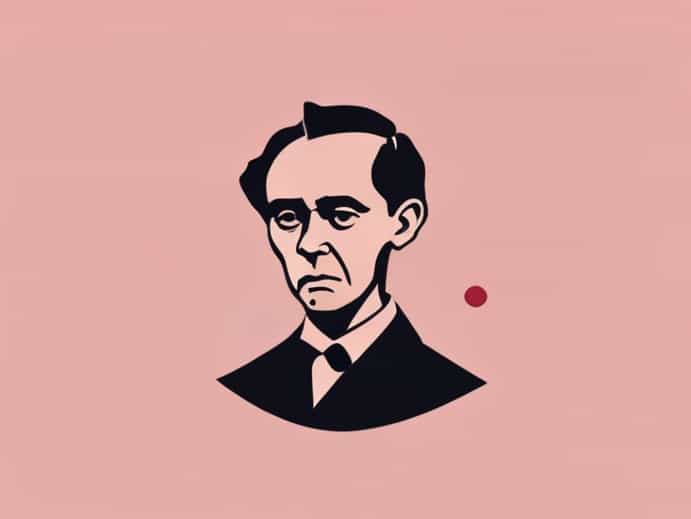
Marcel Proust, born on July 10, 1871, in Auteuil, France, is widely regarded as one of the most influential writers of the 20th century. His contributions to literature, particularly through his monumental work à la recherche du temps perdu (In Search of Lost Time), have profoundly shaped modern narrative techniques and literary thought. Proust’s writings explore themes of memory, time, and social dynamics with unparalleled depth, revealing the intricate complexities of human experience. His meticulous observations of life, society, and personal introspection continue to captivate readers and scholars worldwide, making him an enduring figure in literary history.
Early Life and Family Background
Marcel Proust was born into a wealthy and intellectually rich environment. His father, Adrien Proust, was a prominent physician and epidemiologist, while his mother, Jeanne Weil, came from a well-to-do Jewish family with cultural and literary interests. This privileged upbringing provided Marcel with access to education, literature, and social circles that would later influence his understanding of French aristocracy and bourgeois society. Despite his physical frailty and lifelong health issues, Proust developed a keen intellect and an extraordinary sensitivity to the nuances of human behavior.
Education and Early Interests
Proust’s education began in elite Parisian schools, where he excelled in literature and classical studies. He later attended the Lycée Condorcet, a prestigious institution, and briefly studied law and philosophy at the Sorbonne. However, his true passion lay in literature and writing. During his youth, Proust also explored music, an interest that profoundly shaped his appreciation of rhythm, tone, and emotion in prose. His early experiences with literature, art, and high society provided rich material for his later literary works.
Literary Career
Marcel Proust’s literary career is most prominently defined by his seven-volume series, In Search of Lost Time, written between 1909 and 1922. This work is a monumental exploration of memory, identity, and social observation, blending autobiographical elements with profound philosophical reflections. Proust employed an innovative narrative style, emphasizing introspection, sensory perception, and the fluidity of time. The famous episode of the madeleine, in which a simple taste triggers a flood of childhood memories, exemplifies his fascination with involuntary memory and its power to connect the past with the present.
Early Works and Influences
Before embarking on In Search of Lost Time, Proust published early works including Les Plaisirs et les Jours (Pleasures and Days), a collection of short stories and essays that demonstrated his literary potential and stylistic elegance. He was influenced by French writers such as Gustave Flaubert, Honoré de Balzac, and Stendhal, as well as philosophers like Henri Bergson. These influences are evident in his meticulous attention to social detail, psychological insight, and exploration of temporal consciousness.
Themes in Proust’s Work
Proust’s writing delves deeply into the complexities of human experience, exploring a variety of interrelated themes
- Memory and TimeProust’s exploration of involuntary memory, especially through sensory experiences, is central to his work. He examines how memory shapes identity and perception of the past.
- Social ObservationHis novels provide detailed portrayals of French aristocracy and bourgeois society, capturing social customs, relationships, and hierarchies with precision.
- Love and DesireProust examines the intricacies of romantic and platonic relationships, emphasizing emotional complexity, jealousy, and longing.
- Art and AestheticsProust reflects on the role of art, literature, and music in life, illustrating how creative expression interacts with personal and societal experiences.
- Identity and Self-ReflectionHis introspective style examines the fluidity of identity and the impact of memory and perception on self-awareness.
Writing Style and Technique
Marcel Proust is renowned for his distinctive writing style, characterized by long, flowing sentences and elaborate syntax. His prose often captures the subtle shifts in thought and perception, creating a sense of immersion in the narrator’s consciousness. Proust’s attention to detail, particularly in describing social interactions and interior life, allows readers to experience the world through a deeply personal and reflective lens. His style has influenced countless modern writers and remains a benchmark for literary sophistication and psychological depth.
Impact on Literature
Proust’s work has had a profound impact on literature, particularly in the realms of narrative structure and psychological exploration. By emphasizing the subjective experience of time and memory, he challenged traditional storytelling methods, paving the way for modernist and postmodernist experimentation. Writers such as Virginia Woolf, James Joyce, and Gabriel GarcÃa Márquez have drawn inspiration from Proust’s innovative techniques. His emphasis on introspection and social observation continues to resonate with contemporary authors, critics, and readers worldwide.
Personal Life and Challenges
Proust was known for his reclusive lifestyle, particularly in his later years. He suffered from severe asthma, which contributed to his preference for solitude and indoor work. Despite his health challenges, he maintained vibrant intellectual and social connections, engaging with literary circles, salons, and artistic communities. Proust’s personal experiences, including his struggles with illness, social ambition, and emotional relationships, deeply informed his writing, lending authenticity and emotional depth to his characters.
Death and Legacy
Marcel Proust passed away on November 18, 1922, in Paris at the age of 51. His death marked the end of a life dedicated to literature, reflection, and the pursuit of understanding human consciousness. Posthumously, Proust’s influence has only grown, with In Search of Lost Time recognized as one of the greatest literary achievements of the 20th century. His works continue to be studied in academic settings and appreciated by general readers for their insights into human nature, memory, and society.
Marcel Proust’s legacy as a writer, thinker, and observer of human life remains unparalleled. Through his meticulous exploration of memory, time, and society, he created a literary universe that captures the richness and complexity of human experience. His innovative narrative techniques, psychological depth, and philosophical insights have solidified his place as one of the most important figures in world literature. Proust’s work continues to inspire readers, writers, and scholars, ensuring that his influence endures for generations to come.
“`