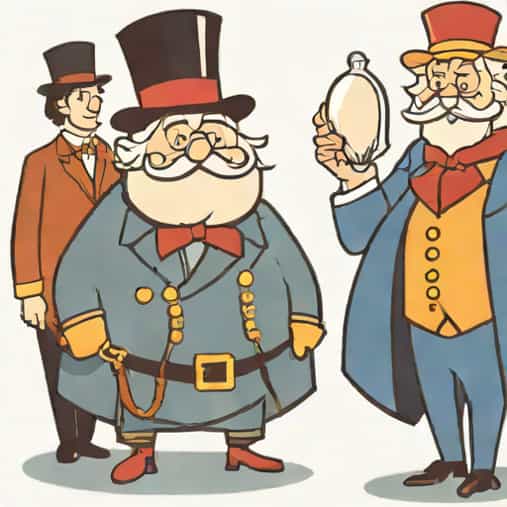
In Charles Dickens’ classic novellaA Christmas Carol, the character Ebenezer Scrooge is visited by a number of figures who play pivotal roles in transforming his cold and miserly heart. Among these figures are the portly gentlemen who appear early in the story. Their visit, while brief, carries significant weight and is crucial to understanding the social and moral context of the novella. Many readers wonder why these well-fed, cheerful men would call on a man as famously miserly as Scrooge. The answer involves Dickens’ critique of social responsibility, the importance of generosity, and the moral obligations of the wealthy during the Victorian era.
The Portly Gentlemen and Their Purpose
The portly gentlemen visit Scrooge with a clear and simple purpose to solicit donations for the poor. In Dickens’ depiction, they represent the charitable efforts of ordinary citizens who recognize the suffering of the less fortunate and seek to alleviate it through collective action. Their portly appearance suggests that they are well-fed and comfortable, yet they are mindful of those who live in poverty, emphasizing the contrast between wealth and need.
The visit occurs early in the novella, establishing an important thematic foundation. It introduces readers to the stark inequalities present in Victorian society and highlights Scrooge’s initial moral failings. Scrooge’s reaction to the gentlemen sets the stage for his transformation, demonstrating his lack of empathy and understanding of communal responsibility.
The Context of Victorian Charity
During the Victorian era, poverty was widespread, and social welfare systems were limited. Charitable organizations and individual donors played a significant role in supporting the poor. Dickens, who often wrote about social injustice, uses the portly gentlemen as a symbol of these charitable efforts. Their visit underscores the expectation that those who have wealth have an obligation to assist those in need.
Their polite and respectful approach also reflects the Victorian ideal of moral suasion. Instead of confronting Scrooge harshly, they appeal to his conscience, asking him to consider the plight of others and contribute to the greater good.
Scrooge’s Initial Reaction
When the portly gentlemen arrive, Scrooge responds with his characteristic coldness and cynicism. He questions why he should give money to help others and dismisses the idea that he has any responsibility to support the poor. His infamous remark, Are there no prisons? Are there no workhouses? reveals his lack of compassion and reliance on institutional solutions rather than personal generosity.
Scrooge’s reaction highlights several key aspects of his character
- Self-interestScrooge prioritizes his wealth and personal comfort over social duty.
- Lack of empathyHe fails to consider the human suffering behind the statistics and appeals.
- Misunderstanding of charityHe equates philanthropy with weakness or unnecessary expense.
This interaction also allows Dickens to critique societal attitudes toward poverty. Through Scrooge’s objections, readers see the dangers of ignoring social responsibility and the moral failings of indifference.
The Symbolism of the Portly Gentlemen
The portly gentlemen serve as more than just characters requesting donations; they symbolize conscience, morality, and the societal expectation of generosity. Their visit is a moral test for Scrooge, providing him with an early opportunity to choose compassion over greed. By rejecting them, he demonstrates his initial spiritual and emotional stagnation, which makes his later transformation more dramatic and meaningful.
Furthermore, their portly and cheerful demeanor contrasts sharply with Scrooge’s thin, cold, and austere appearance. Dickens uses this physical contrast to reinforce the thematic divide between warmth and generosity versus isolation and miserliness. The gentlemen embody the warmth of community and the spirit of giving that Scrooge initially lacks.
The Role of Persuasion
The gentlemen do not demand charity; they request it politely and provide reasoning for their appeal. They ask for contributions to help feed and clothe the poor, emphasizing the practical benefits of community support. This gentle persuasion reflects Dickens’ broader message that moral behavior should be guided by empathy and reason rather than coercion.
Their approach also serves a literary purpose it establishes tension and foreshadows the moral lessons that will follow through the visits of the three spirits. The portly gentlemen act as a narrative device to introduce the theme of social responsibility, setting up the broader transformative journey for Scrooge.
Connection to Broader Themes inA Christmas Carol
The visit of the portly gentlemen ties directly into the novella’s larger themes of charity, social justice, and redemption. Dickens emphasizes that moral improvement is not only a personal matter but also a social one. Helping others, especially those who are less fortunate, is part of the ethical duty of those who have the means to make a difference.
Their presence also serves as a mirror for Scrooge’s behavior. By interacting with these gentlemen, Scrooge’s selfishness and lack of compassion are made apparent to the reader, highlighting the need for change. The visit becomes a catalyst for the moral and emotional journey that unfolds throughout the story.
Foreshadowing Scrooge’s Transformation
Although Scrooge dismisses the portly gentlemen, their visit foreshadows the lessons he will learn from the spirits of Christmas Past, Present, and Yet to Come. The gentlemen’s request is an early indicator of the societal expectation of generosity, which will become central to Scrooge’s ultimate redemption. Dickens uses this encounter to prepare readers for the moral awakening that follows, showing that even small acts of kindness have significant implications.
Modern Interpretations
In modern readings ofA Christmas Carol, the portly gentlemen are often seen as representatives of community conscience and social ethics. Their visit reminds readers that caring for others is a timeless moral responsibility. The encounter also resonates in contemporary discussions about wealth, philanthropy, and social inequality, illustrating how literature can provide insight into enduring social issues.
Lessons for Today
- Generosity is a social and moral duty, not merely a personal choice.
- Small acts of charity can have meaningful impacts on individuals and communities.
- Indifference to suffering isolates individuals from the benefits of empathy and community connection.
- Literary examples can inspire reflection on modern social responsibilities.
The portly gentlemen visit Scrooge inA Christmas Carolto solicit donations for the poor, representing social conscience, moral duty, and the spirit of generosity. Their polite and reasoned appeal contrasts with Scrooge’s initial coldness, highlighting his lack of empathy and societal awareness. Dickens uses this encounter to introduce key themes of charity, compassion, and social responsibility, which are central to the novella’s moral lessons. Although Scrooge initially rejects their request, the visit sets the stage for his transformation and underscores the importance of considering the needs of others. Through this brief but significant encounter, readers are reminded of the enduring relevance of generosity and human kindness in both literature and real life.