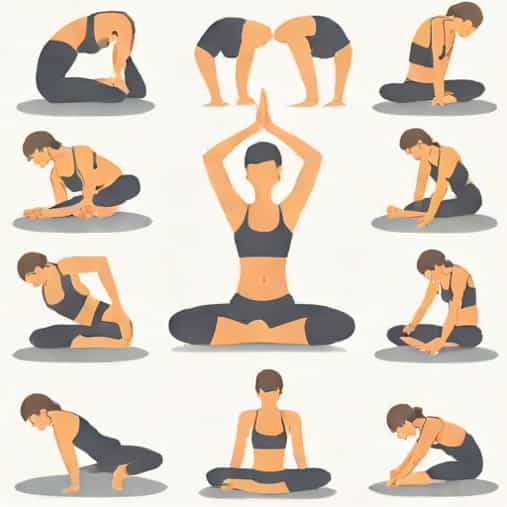
Anxiety and panic attacks can be overwhelming, affecting both the mind and body. Many people seek natural methods to alleviate these symptoms, and yoga has emerged as a highly effective practice for managing stress, calming the nervous system, and promoting mental clarity. Yoga combines physical postures, controlled breathing, and mindfulness techniques, all of which contribute to reducing anxiety and preventing panic attacks. Incorporating specific yoga poses into a daily routine can help regulate the body’s stress response, improve mood, and provide a sense of grounding during moments of emotional turbulence.
How Yoga Helps with Anxiety and Panic Attacks
Yoga works on multiple levels to reduce anxiety. Physically, yoga poses release tension in muscles and joints, promoting relaxation. Mentally, the focus on breath and movement helps redirect attention away from anxious thoughts. Breath control, or pranayama, is particularly beneficial in managing panic attacks, as slow, deep breathing activates the parasympathetic nervous system, which counteracts the body’s fight or flight response. Regular practice of yoga can increase self-awareness, improve emotional regulation, and provide tools to manage stress in everyday life.
Key Principles for Using Yoga to Reduce Anxiety
- Focus on BreathCoordinating movement with deep, mindful breathing helps calm the nervous system.
- Gentle MovementsAvoid strenuous or high-intensity poses that may increase tension or stress.
- MindfulnessPay attention to the sensations in your body and your mental state during practice.
- ConsistencyRegular practice, even for short periods, can have lasting effects on anxiety management.
- Comfortable EnvironmentPractice in a quiet, safe space where you feel secure and undisturbed.
Yoga Poses for Anxiety Relief
Several yoga poses are particularly effective for calming anxiety and managing panic attacks. These poses emphasize grounding, gentle stretching, and breath awareness. Practicing them daily or during moments of stress can help reduce symptoms and restore a sense of balance.
1. Child’s Pose (Balasana)
Child’s Pose is a restorative pose that encourages relaxation and introspection. It gently stretches the back, hips, and thighs while promoting a calming effect on the nervous system.
- Kneel on the floor, sit back on your heels, and extend your arms forward.
- Rest your forehead on the mat and close your eyes.
- Breathe deeply and hold the pose for 1-3 minutes, allowing your body to release tension.
2. Cat-Cow Pose (Marjaryasana-Bitilasana)
This gentle flow between Cat and Cow poses increases spinal flexibility and helps release stress held in the back and shoulders.
- Begin on all fours with wrists under shoulders and knees under hips.
- Inhale, arch your back, and lift your head and tailbone (Cow Pose).
- Exhale, round your spine, and tuck your chin toward your chest (Cat Pose).
- Repeat for 5-10 breaths, focusing on slow, smooth movement.
3. Standing Forward Fold (Uttanasana)
Uttanasana helps calm the mind and relieve tension in the back and neck. Inversions like this encourage blood flow to the brain, which can help soothe anxiety.
- Stand with feet hip-width apart.
- Exhale, hinge at the hips, and fold forward, letting your head hang toward the floor.
- Allow your arms to dangle or hold opposite elbows.
- Stay for 30 seconds to 1 minute, breathing deeply and releasing tension with each exhale.
4. Legs-Up-The-Wall Pose (Viparita Karani)
This restorative inversion reduces stress and promotes relaxation by encouraging circulation and calming the nervous system.
- Sit sideways next to a wall and swing your legs up against it while lying on your back.
- Relax your arms by your sides and close your eyes.
- Focus on deep, even breaths and stay in the pose for 5-10 minutes.
5. Seated Forward Bend (Paschimottanasana)
Paschimottanasana stretches the spine and hamstrings while encouraging introspection and calmness. It can help reduce mental tension and anxiety.
- Sit with your legs extended straight in front of you.
- Inhale, lengthen your spine, and exhale as you fold forward over your legs.
- Reach for your feet, shins, or thighs, depending on flexibility.
- Hold for 1-3 minutes, breathing deeply and relaxing your shoulders.
6. Reclining Bound Angle Pose (Supta Baddha Konasana)
This restorative pose opens the hips and chest while promoting a sense of safety and relaxation.
- Lie on your back and bring the soles of your feet together, allowing your knees to fall outward.
- Place your arms comfortably at your sides, palms facing up.
- Focus on slow, deep breathing for 3-5 minutes, feeling the gentle stretch in your hips.
Breathing Techniques to Complement Yoga Poses
Combining yoga poses with specific breathing techniques enhances their calming effects. Pranayama exercises can regulate the nervous system, reduce heart rate, and provide relief during panic attacks.
1. Diaphragmatic Breathing
- Place one hand on your chest and the other on your abdomen.
- Inhale deeply through your nose, allowing your abdomen to rise.
- Exhale slowly through your mouth, letting your abdomen fall.
- Repeat for 5-10 minutes, focusing on slow, steady breaths.
2. Alternate Nostril Breathing (Nadi Shodhana)
- Close your right nostril with your thumb and inhale through your left nostril.
- Close your left nostril with your ring finger, release your right nostril, and exhale through it.
- Inhale through the right nostril, close it, and exhale through the left nostril.
- Continue for 5-10 cycles, maintaining calm and rhythmic breathing.
Incorporating Yoga into Daily Life
To effectively manage anxiety and panic attacks, it’s important to practice yoga consistently. Even short daily sessions can create noticeable improvements in mental clarity, emotional balance, and physical relaxation. Incorporate a combination of poses and breathing exercises, and consider setting aside a quiet space dedicated to mindfulness and practice. Over time, yoga can empower individuals with tools to handle stress proactively and reduce the frequency and intensity of panic episodes.
Additional Tips
- Practice in a comfortable environment with minimal distractions.
- Use props like yoga blocks, bolsters, or cushions for added support and relaxation.
- Combine yoga with other stress-reduction techniques such as meditation, journaling, or mindful walking.
- Listen to your body and avoid forcing any poses, especially if you feel physically or emotionally tense.
Yoga offers an effective, natural approach to managing anxiety and panic attacks by combining physical movement, mindful breathing, and mental focus. Poses like Child’s Pose, Cat-Cow, Standing Forward Fold, and Legs-Up-The-Wall can release tension and calm the nervous system, while breathing exercises such as diaphragmatic and alternate nostril breathing enhance these effects. Regular yoga practice not only helps alleviate acute episodes of anxiety but also strengthens emotional resilience over time. By integrating these techniques into daily routines, individuals can gain a sense of grounding, reduce stress, and improve overall mental and physical well-being.