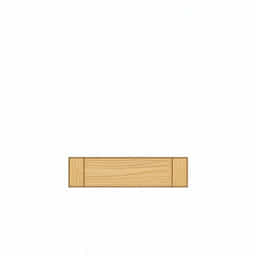
Oak skirting and architrave are key finishing touches in any interior design that aim to combine durability, visual harmony, and timeless elegance. These oak features do more than just decorate a space they protect, define, and add a refined structure to rooms. Whether you are refurbishing a heritage home or building a new property, using oak skirting boards and oak architraves can bring natural warmth and cohesive style to any environment. Their versatility and strength make them a preferred choice for both traditional and contemporary interiors.
What Are Skirting and Architrave?
Skirting boards run along the bottom of interior walls, covering the joint between the wall and the floor. Their main purpose is to protect the wall from damage and hide any uneven edges. Architraves are used to frame doorways and windows, concealing the gap between the wall and the frame while adding detail and depth to openings. Both serve practical and decorative roles in a room, and choosing oak as the material enhances their function and beauty.
Advantages of Using Oak
Oak is known for its durability, strength, and attractive grain patterns. Choosing oak skirting and architrave offers numerous advantages that make them a worthwhile investment:
- Resistant to dents, scratches, and wear
- Long-lasting material suitable for high-traffic areas
- Rich, natural grain that complements various design styles
- Matches easily with oak flooring, furniture, and doors
- Can be finished in different ways or left natural
Because of these benefits, oak skirting and architrave are commonly found in both residential and commercial spaces where longevity and design value are essential.
Types of Oak Skirting Profiles
Oak skirting boards come in different shapes and designs, known as profiles. These profiles not only add style to your interior but also determine how the skirting interacts with the overall space. Some popular oak skirting board profiles include:
- Bullnose: A smooth, rounded top edge ideal for minimalist spaces.
- Torus: A traditional design with a curved feature near the top edge.
- Chamfered: Angled edges that provide a clean and contemporary look.
- Pencil Round: A subtle curved edge, great for modern interiors.
- Ogee: A more detailed, classical profile suitable for period properties.
Choosing the right profile can influence how the room feels simpler profiles offer a sleek finish, while more ornate designs create a sophisticated ambiance.
Matching Oak Architrave Styles
Architraves should ideally match the skirting boards for a consistent and polished look throughout the interior. Many oak architraves are available in the same profiles as skirting boards:
- Chamfered Architrave: Complements clean lines in modern spaces.
- Ogee Architrave: Adds elegance to formal areas or heritage designs.
- Bullnose Architrave: Maintains a simple and soft appearance.
- Torus Architrave: Works well in homes with classic decor.
When choosing oak architrave, it’s essential to consider door styles, room size, and ceiling height to ensure the trim enhances rather than overwhelms the room.
Solid Oak vs Engineered Oak
Homeowners have the option to select between solid oak and engineered oak products. Each type has specific characteristics:
Solid Oak
Made entirely of natural oak, solid oak skirting and architrave offer unmatched strength and durability. They can be sanded and refinished multiple times over their lifetime and are ideal for achieving a rich, authentic appearance.
Engineered Oak
Engineered oak consists of a real oak veneer layered over a core such as MDF. It is more affordable and less likely to warp or expand due to moisture changes. While not as long-lasting as solid oak, engineered options are still visually appealing and budget-friendly.
Both types can be finished similarly and matched in color and grain, but solid oak remains the premium choice for those seeking long-term quality.
Finishing Options for Oak Skirting and Architrave
Oak products can be customized with different finishes to achieve a desired appearance and level of protection:
- Natural (unfinished): Keeps the original look of oak but may require sealing later.
- Oiled: Enhances the grain and adds a warm tone with minimal sheen.
- Varnished: Offers a more durable, glossy surface resistant to moisture and stains.
- Stained: Alters the wood tone while maintaining the visibility of the grain.
- Painted: While less common, oak can be painted for custom colors, though this may hide its natural beauty.
Many homeowners prefer clear finishes to showcase the wood’s natural color and character, especially when paired with other oak features in the home.
Installation Considerations
Correct installation is key to the appearance and durability of oak skirting and architrave. Here are a few best practices to follow:
- Let the wood acclimatize indoors for at least 48 hours before fitting.
- Use a mitre saw for accurate angles, especially at corners and door frames.
- Apply strong wood adhesive along with nails or screws for secure attachment.
- Fill gaps and nail holes with oak-colored filler for a seamless look.
- Finish the product after installation to ensure complete coverage and protection.
For best results, consider hiring a professional joiner, especially if dealing with detailed profiles or large spaces.
Maintenance and Care
Oak skirting and architrave require only simple maintenance to keep them in top condition:
- Regular dusting with a dry cloth to remove buildup.
- Avoiding excess moisture and cleaning with a slightly damp cloth when needed.
- Reapplying oil or varnish as needed to refresh the finish.
- Using furniture pads and avoiding heavy impacts to prevent damage.
With proper care, oak skirting and architrave can remain in excellent condition for decades, preserving their original charm and strength.
Design Ideas and Applications
Oak trim can be used creatively across different rooms to add texture and depth. Here are a few design ideas where oak skirting and architrave can make a visual impact:
- Living Rooms: Pair with matching oak flooring and exposed beams for a rustic yet elegant feel.
- Hallways: Use taller skirting boards to add dimension to narrow corridors.
- Bedrooms: Complement with oak doors and wardrobes for a cohesive look.
- Home Offices: Frame the space with oak detailing to create a professional and warm atmosphere.
- Bathrooms: Use varnished oak for added moisture resistance and natural style.
By incorporating oak skirting and architrave in various parts of the home, you can create a unified and elegant interior that reflects quality craftsmanship and thoughtful design.
Oak skirting and architrave are more than just functional trim they are key elements that shape the character of a room. Their natural appearance, durability, and versatility make them an ideal choice for homeowners and designers aiming for lasting appeal. Whether you choose solid or engineered oak, modern or traditional profiles, the impact of well-chosen skirting and architrave will be visible in every room they frame. With proper installation and minimal maintenance, these features will continue to enhance your space for many years to come.