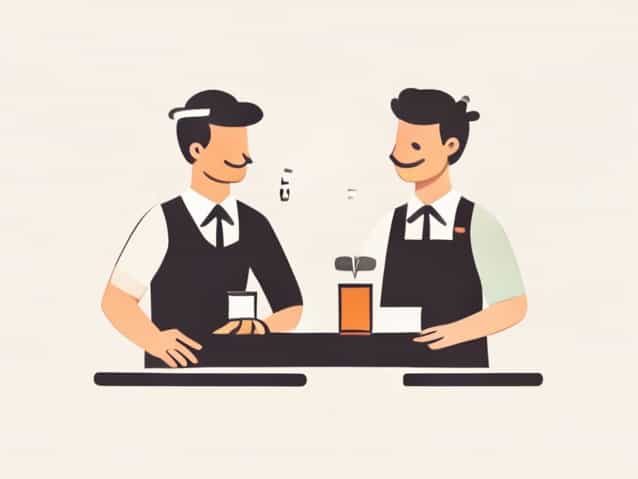
When it comes to working in a bar, the terms barkeep and bartender are often used interchangeably, but there are subtle differences that distinguish the two roles. Both involve serving drinks, interacting with customers, and managing a bar environment, yet each term carries its own historical, cultural, and practical connotations. Understanding these differences is useful for people entering the hospitality industry, bar enthusiasts, or anyone curious about the evolution of these professions.
Origin of the Terms
The term bartender has its roots in the 19th century, primarily in the United States, and refers to a person who serves alcoholic beverages behind a bar. Bartenders are often trained in mixology, know a wide variety of drinks, and are skilled at crafting cocktails. They are expected to have a professional approach to service, combining efficiency with flair.
On the other hand, barkeep is an older term, originating from a combination of bar and keep, meaning someone who keeps or maintains a bar. Historically, a barkeep was not just someone who served drinks, but also a proprietor or caretaker of the establishment, responsible for managing inventory, handling finances, and maintaining the atmosphere of the bar.
Roles and Responsibilities
While both bartenders and barkeeps serve drinks, their day-to-day responsibilities can differ significantly depending on context, establishment size, and historical usage of the terms.
Bartender Responsibilities
- Mixing and serving beverages, including cocktails, beer, and wine
- Taking and processing orders from patrons
- Maintaining cleanliness of the bar area
- Providing customer service and entertainment
- Handling cash registers and processing payments
Bartenders are often seen as specialists in drink preparation, with a strong emphasis on technique, presentation, and speed. They may also be involved in suggesting drinks, recommending pairings, and keeping up with trends in beverages and mixology.
Barkeep Responsibilities
- Overseeing the entire bar operation
- Managing inventory and supplies
- Maintaining relationships with regular patrons
- Handling finances, accounting, and payroll
- Ensuring the bar atmosphere is welcoming and well-managed
Historically, barkeeps had a more managerial or ownership-oriented role. They were responsible for the overall health of the establishment, including staffing, supplies, and maintaining the bar’s reputation. Serving drinks was a key part of the job, but not the only aspect.
Professional Skills and Training
Both barkeeps and bartenders require strong interpersonal skills, attention to detail, and the ability to work in fast-paced environments. However, the skill sets can emphasize different areas.
Bartender Skills
- Mixology and drink preparation techniques
- Speed and efficiency during busy periods
- Knowledge of drink recipes, ingredients, and garnishes
- Customer engagement and flair bartending (optional)
Barkeep Skills
- Business management and financial literacy
- Staff supervision and scheduling
- Maintaining inventory and supply chains
- Customer relationship management
While bartenders focus more on the craft of drinks and immediate customer service, barkeeps often have a broader focus that includes operational and managerial responsibilities.
Work Environment and Culture
The work environment can also reflect the differences between barkeeps and bartenders. In casual or smaller establishments, the roles may overlap significantly, with one person performing both functions. In larger bars, hotels, or clubs, the roles may be more specialized, with bartenders focusing on drink service and barkeeps overseeing management.
Culturally, barkeep conveys a sense of tradition and old-world hospitality, whereas bartender suggests a modern, professional approach with an emphasis on skill and style. The choice of term can reflect the atmosphere of the bar and the expectations placed on the staff.
Customer Interaction
Both bartenders and barkeeps interact with customers, but the nature of this interaction can vary. Bartenders are often seen as entertainers and conversationalists, creating a lively atmosphere and ensuring patrons enjoy their drinks. They may focus on individual customer satisfaction and personal engagement.
Barkeeps, in contrast, may focus on building long-term relationships with regular patrons, understanding their preferences, and creating a sense of community. They are often the face of the bar in a broader sense, balancing social engagement with operational oversight.
Historical Examples
Throughout history, famous barkeeps were often central figures in their communities, not only serving drinks but also providing a place for social gathering, news exchange, and networking. In literature and film, barkeeps are frequently portrayed as wise, experienced figures who maintain order and offer counsel.
Bartenders, particularly in the modern era, are celebrated for their technical skills and creativity. Cocktail competitions, mixology certifications, and social media showcases highlight the contemporary focus on craft and presentation.
Overlap and Modern Usage
In today’s context, the lines between barkeep and bartender can blur. Many establishments use the terms interchangeably, and modern bartenders may take on some responsibilities traditionally associated with barkeeps, such as managing stock or supervising staff. Similarly, some barkeeps continue to actively serve drinks and engage with customers directly.
The key distinction often lies in emphasis bartenders prioritize drink-making and immediate customer experience, while barkeeps prioritize overall bar management and long-term relationships.
Understanding the difference between a barkeep and a bartender involves examining history, roles, skills, and cultural connotations. While both serve drinks and interact with patrons, bartenders are typically focused on mixology, customer engagement, and service efficiency. Barkeeps, historically and traditionally, emphasize bar management, long-term patron relationships, and operational oversight.
In modern settings, the two roles can overlap, but knowing the distinctions helps clarify expectations in the hospitality industry. Recognizing the unique contributions of each role not only honors the profession’s history but also highlights the diverse skills required to succeed behind the bar. Whether one identifies as a bartender crafting cocktails or a barkeep managing the heartbeat of a social establishment, both roles remain essential to the culture, operation, and enjoyment of bars worldwide.