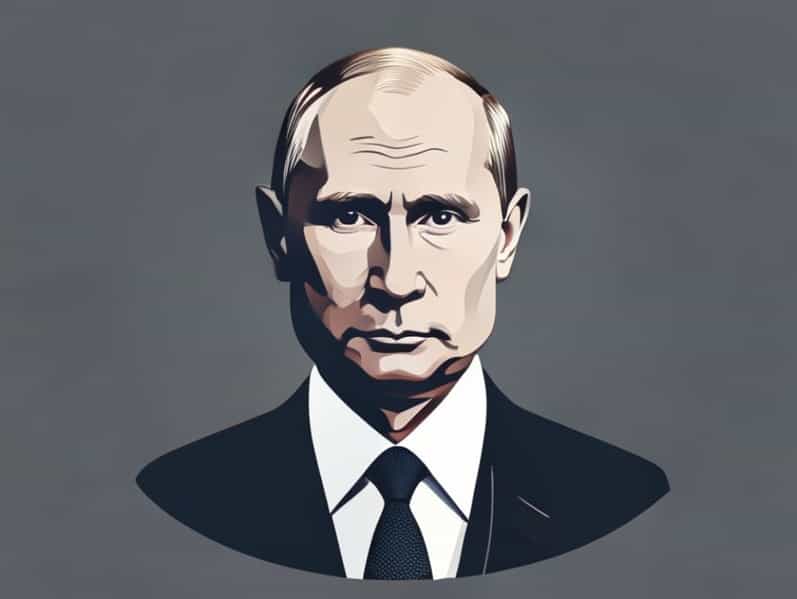
Vladimir Putin has been one of the most influential and controversial political figures of the 21st century. His leadership has defined Russia’s political direction, economy, and international relations for more than two decades. Understanding from when Putin is president and how his terms have evolved over time gives valuable insight into modern Russian history and the structure of power within the country. His long tenure, marked by constitutional changes, shifting political alliances, and major global events, makes him a defining figure in post-Soviet politics.
Early Political Career of Vladimir Putin
Before becoming president, Vladimir Putin built his career through various government and security positions. Born in Leningrad (now Saint Petersburg) in 1952, Putin studied law at Leningrad State University. After graduation, he joined the KGB, the Soviet Union’s security agency, where he served as an intelligence officer for around 16 years. Following the collapse of the Soviet Union, Putin transitioned into politics, eventually rising through the ranks in Saint Petersburg’s city administration during the early 1990s.
In 1996, Putin moved to Moscow to work in the Kremlin administration. His efficiency and loyalty quickly earned him the attention of then-President Boris Yeltsin. In 1998, he was appointed head of the Federal Security Service (FSB), the main successor to the KGB. Just one year later, in 1999, Yeltsin appointed Putin as Prime Minister of Russia, setting the stage for his eventual rise to the presidency.
First Term as President (2000 2004)
Vladimir Putin officially became president on May 7, 2000, after Boris Yeltsin unexpectedly resigned on December 31, 1999, naming Putin as acting president. In the March 2000 presidential election, Putin won with a majority of votes, marking the beginning of his first official term. His early presidency was focused on stabilizing the country’s economy, which had suffered from the 1998 financial crisis, and restoring order to the Russian state after a decade of political and social turmoil.
Economic Reforms and Stability
During his first term, Putin benefited from rising global oil prices, which boosted Russia’s economy and government revenues. He implemented reforms aimed at consolidating federal power, reducing the influence of regional governors, and strengthening the central government. This era saw significant economic growth and improvements in public confidence in government institutions.
Chechnya and Security Issues
Putin also prioritized national security, particularly addressing the ongoing conflict in Chechnya. His firm stance against separatist movements and terrorism gained him popularity among Russians who wanted strong leadership after years of instability. This approach helped solidify his image as a decisive and patriotic leader.
Second Term as President (2004 2008)
Putin was re-elected in 2004 with an even larger majority. His second term was characterized by continued economic expansion and increasing state control over key industries, including energy. Major companies like Gazprom and Rosneft became tools of political and economic power, strengthening Russia’s influence abroad, especially in Europe.
Centralization of Power
During this time, Putin took steps to further centralize authority. The government introduced laws that reduced the autonomy of regional governments and increased presidential oversight over political appointments. Critics argued that these moves weakened democratic institutions, while supporters saw them as necessary to maintain national unity.
Growing International Assertiveness
On the global stage, Russia began to reassert itself under Putin’s leadership. The country opposed NATO expansion and sought to rebuild influence in post-Soviet territories. This period marked the beginning of a more assertive Russian foreign policy that would define Putin’s later years in power.
Prime Minister Period (2008 2012)
Because of constitutional limits preventing more than two consecutive presidential terms, Putin did not run in the 2008 election. Instead, his ally Dmitry Medvedev became president, and Putin took the position of Prime Minister. Despite the change in titles, Putin remained widely regarded as Russia’s most powerful political figure.
During this time, Russia faced the global financial crisis, which temporarily slowed economic growth. However, Putin maintained significant control over government policy and national affairs. In 2011, Medvedev announced that he would not seek re-election, paving the way for Putin to return to the presidency.
Third Term as President (2012 2018)
Vladimir Putin began his third term in May 2012 after winning the March election. This term was controversial due to widespread protests in major Russian cities, with citizens claiming election irregularities and lack of political competition. Nonetheless, Putin continued to strengthen his political dominance and introduce major policy shifts.
Domestic Politics and Social Policies
Putin’s third term emphasized conservative values, national pride, and increased government control over media and public discourse. Laws restricting protests and limiting the activities of non-governmental organizations were passed. His government also promoted a vision of Russian identity rooted in traditionalism and patriotism.
Annexation of Crimea
In 2014, Russia annexed Crimea following a disputed referendum, significantly changing its relationship with the West. This event led to international sanctions and growing geopolitical tension between Russia, the United States, and the European Union. Despite global criticism, the move boosted Putin’s popularity at home, as many Russians viewed the annexation as restoring national pride.
Fourth Term as President (2018 Present)
Putin was re-elected in 2018, beginning his fourth presidential term. This era has been defined by political consolidation, constitutional changes, and intensified conflict with Western nations. His leadership style remains authoritative, emphasizing stability, sovereignty, and resistance to external pressure.
Constitutional Amendments
In 2020, Russia passed constitutional amendments allowing Putin to potentially remain in power until 2036 by resetting his term limits. These changes also included provisions emphasizing traditional family values and the primacy of Russian law over international law. The reforms were approved in a national vote, reinforcing Putin’s long-term control over Russia’s political system.
Foreign Policy and Global Influence
Under Putin’s ongoing leadership, Russia has continued to play a major role in international affairs, from military involvement in Syria to its tense relationship with NATO. His government has also strengthened ties with non-Western powers such as China and Iran, aiming to reshape global power dynamics in favor of a multipolar world.
Putin’s Leadership Style and Legacy
From when Putin became president in 2000 until today, his governance has been marked by stability, control, and nationalism. Supporters credit him with restoring Russia’s economic strength and global prestige after the chaos of the 1990s. Critics, however, argue that his administration has eroded democratic institutions, suppressed dissent, and restricted freedoms.
Public Opinion and Political Endurance
Putin’s enduring popularity within Russia is partly due to his image as a strong and decisive leader who stands up to foreign adversaries. State-controlled media and a focus on patriotic messaging have reinforced this perception. Despite challenges such as economic sanctions and international isolation, Putin has maintained a firm grip on Russian politics for over two decades.
Vladimir Putin first became president of Russia in May 2000 and has remained the central figure in Russian politics ever since. Across multiple terms and constitutional changes, he has shaped Russia’s political landscape, economy, and foreign policy more than any other leader since the Soviet era. His presidency has evolved through periods of reform, confrontation, and consolidation of power. From when Putin is president until the present day, his leadership has defined not only Russia’s domestic direction but also its role on the global stage, ensuring his place as one of the most significant leaders in modern history.