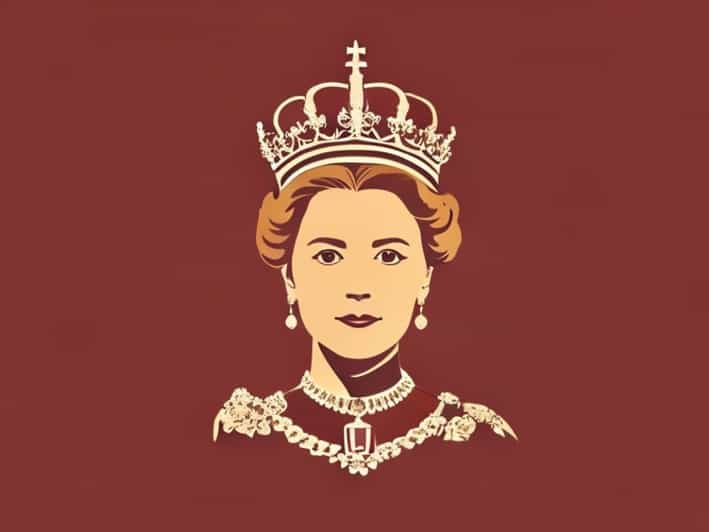
The coronation of Queen Mary of Denmark was a historic and highly anticipated event that drew attention not only from her kingdom but also from royal observers and enthusiasts worldwide. This grand ceremony marked the formal recognition of her role as Queen Consort, symbolizing the unity, continuity, and tradition of the Danish monarchy. The preparations, ceremonial rituals, and public celebrations surrounding the coronation offered a window into centuries-old traditions, while also reflecting modern values and the evolving role of royalty in contemporary society. The event was celebrated with elaborate pomp, drawing dignitaries, citizens, and media to witness a moment that blended history, culture, and national pride.
Background of Queen Mary
Queen Mary of Denmark, before her coronation, was already a figure of public interest and admiration. Known for her commitment to charitable work, advocacy for education, and involvement in cultural initiatives, she brought a strong sense of purpose to her royal duties. Her marriage into the Danish royal family positioned her as a central figure in the monarchy, expected to represent the kingdom both domestically and internationally. The coronation ceremony was the culmination of her formal integration into the royal hierarchy, celebrating her status and affirming her responsibilities.
Early Life and Marriage
Mary of Denmark was born into a family that valued education, civic engagement, and social responsibility. Her upbringing emphasized diplomacy, cultural awareness, and an understanding of public service, which prepared her for her future role in the monarchy. Her marriage to the Crown Prince of Denmark, which preceded the coronation, united two important lineages and attracted public attention. The marriage not only solidified political alliances but also positioned her to become an influential figure in Danish society, contributing to charitable initiatives, public projects, and the cultural life of the nation.
Preparations for the Coronation
The coronation of Queen Mary was preceded by extensive planning and preparation, involving royal advisors, government officials, and cultural experts. Every detail of the event was meticulously organized, from ceremonial regalia to public parades, to ensure that the tradition and symbolism of the monarchy were upheld. Invitations were sent to international dignitaries, ambassadors, and prominent figures, while local communities were engaged through public celebrations and media coverage. These preparations underscored the significance of the event and highlighted the monarchy’s role in fostering national identity and unity.
Regalia and Symbolism
The coronation regalia, including the crown, scepter, and ceremonial robes, carried deep historical and symbolic meaning. Each item represented the authority, responsibility, and continuity of the Danish monarchy. Queen Mary’s attire, carefully selected to reflect tradition and elegance, was designed to convey dignity, grace, and the weight of royal responsibility. Symbolic rituals, including the crowning and blessing, reinforced the spiritual and political significance of her new role, connecting contemporary celebrations with centuries of Danish monarchical heritage.
The Coronation Ceremony
The ceremony itself was held in a historic cathedral, combining religious rites with royal traditions. Clergy, nobles, and government officials participated in rituals that included prayers, oaths, and the formal crowning of Queen Mary. The ceremony emphasized the queen’s commitment to serve her country, uphold the laws, and support the monarchy’s constitutional responsibilities. Attendees witnessed a seamless blend of solemnity, pageantry, and cultural expression, highlighting the historical continuity and ceremonial importance of the coronation.
Public Celebrations and Festivities
Beyond the formal ceremony, the coronation was accompanied by nationwide celebrations. Streets were adorned with decorations, and citizens participated in parades, concerts, and cultural events honoring the new queen. Media coverage brought the event into homes across Denmark and the world, allowing the public to share in the experience. These festivities reinforced the connection between the monarchy and the people, demonstrating the queen’s role not only as a ceremonial figurehead but also as a symbol of national pride and unity.
International Attention
Queen Mary’s coronation attracted significant international interest, as royal families, diplomats, and global media closely followed the event. The ceremony showcased Denmark’s rich cultural heritage, traditions, and the monarchy’s role in modern society. International dignitaries were present to witness the crowning, participate in receptions, and engage in diplomatic discussions. This global attention highlighted the soft power of royal events, where ceremonial occasions strengthen international relations, cultural exchange, and national image.
Significance in Modern Monarchy
The coronation of Queen Mary also reflected the evolving role of monarchy in the 21st century. While rooted in tradition, the ceremony incorporated elements that emphasized modern values, such as community engagement, charitable focus, and public accessibility. The queen’s role extends beyond ceremonial duties to include advocacy, representation, and leadership in social initiatives. The coronation thus symbolized a balance between historical continuity and contemporary relevance, affirming the monarchy’s ability to adapt while maintaining cultural significance.
Impact on Danish Society
The coronation of Queen Mary had a profound impact on Danish society, inspiring civic pride, cultural participation, and national unity. Schools, cultural organizations, and community groups held events to educate and engage citizens in the significance of the monarchy and the coronation. The queen’s charitable involvement and public presence following the coronation reinforced her connection to citizens, highlighting the monarchy’s role in social cohesion and public service. This event served as both a celebration of tradition and a reinforcement of contemporary social values.
Legacy of the Coronation
- Reinforced the continuity and historical traditions of the Danish monarchy.
- Enhanced public awareness and appreciation of royal responsibilities and civic duty.
- Strengthened national identity through cultural celebrations and public engagement.
- Showcased Denmark’s cultural heritage and historical architecture to an international audience.
- Highlighted the queen’s commitment to social, charitable, and public initiatives.
The coronation of Queen Mary of Denmark was more than a ceremonial event; it was a moment of national pride, cultural significance, and historical continuity. Through elaborate rituals, public celebrations, and international attention, the coronation highlighted the queen’s responsibilities, her dedication to public service, and the monarchy’s ongoing role in modern society. Queen Mary emerged from the ceremony not only as a symbol of tradition but also as an active participant in shaping the future of Denmark, blending historical legacy with contemporary relevance. The coronation reinforced her position as a figure of dignity, influence, and inspiration, leaving a lasting impact on the monarchy, Danish society, and international perceptions of royal leadership.
Ultimately, Queen Mary’s coronation represents a synthesis of heritage, public engagement, and evolving monarchy. It reflects the enduring significance of royal ceremonies in connecting citizens to their history while embracing modern values and responsibilities. The event will be remembered as a defining moment in Danish royal history, demonstrating the power of tradition, the importance of public service, and the continuing relevance of monarchy in today’s world.