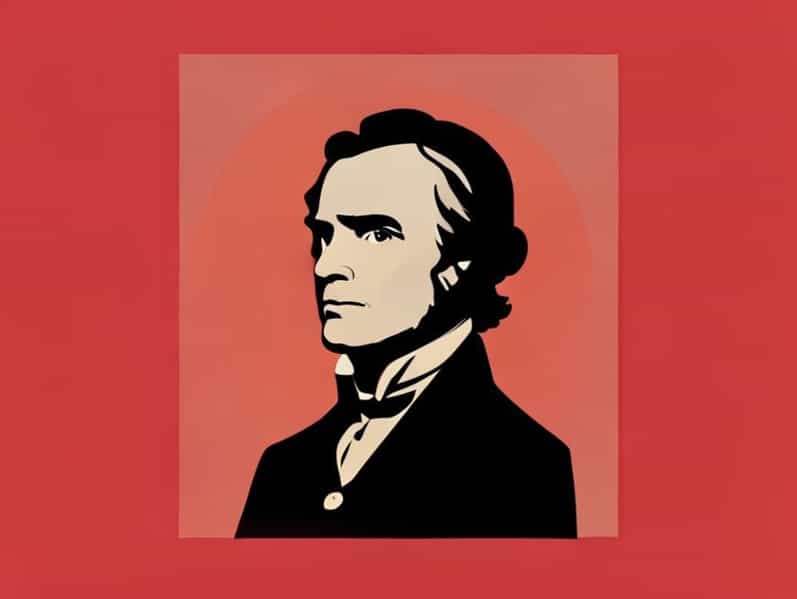
De la démocratie en Amérique by Alexis de Tocqueville is a seminal work that explores the nature of democracy in the United States and its implications for society, politics, and individual freedom. Written in the early 19th century, Tocqueville’s observations remain highly relevant today, offering insights into the strengths and weaknesses of democratic systems. Through careful analysis of American institutions, culture, and social practices, Tocqueville provides a comprehensive study of democracy in action, highlighting both its potential for equality and its possible dangers, such as tyranny of the majority and social conformity. Understanding this work is essential for anyone interested in political theory, comparative politics, or the history of democratic thought.
Background of Alexis de Tocqueville
Alexis de Tocqueville was a French political thinker and historian born in 1805. He came from an aristocratic background and was deeply interested in the political transformations occurring in Europe and America during his lifetime. In 1831, he traveled to the United States with Gustave de Beaumont to study the American prison system, but Tocqueville’s focus extended far beyond prisons. He became fascinated with American democracy, equality, and social structures. His extensive observations during this trip formed the basis of De la démocratie en Amérique, published in two volumes in 1835 and 1840.
Purpose of the Work
The primary aim of De la démocratie en Amérique is to analyze how democracy shapes society and governance. Tocqueville sought to understand the unique characteristics of American democracy and the effects of equality on social life, political institutions, and individual behavior. He compared American democratic practices with European aristocratic traditions, highlighting the differences and offering warnings about potential risks that democracy might pose if unchecked.
Main Themes in De la démocratie en Amérique
Equality of Conditions
One of Tocqueville’s central themes is the equality of conditions. He observed that, unlike Europe, America did not have rigid aristocratic hierarchies, which created a society where individuals had more opportunities for social mobility. This equality influenced many aspects of life, including politics, education, and economic opportunity. Tocqueville argued that equality could promote freedom, but it could also lead to materialism, mediocrity, or a desire for conformity.
Liberty and Individualism
Tocqueville highlighted the importance of liberty in American society, emphasizing that democracy fosters personal freedom and autonomy. However, he also warned against the dangers of excessive individualism. In a society focused on equality, people might withdraw into private life, neglecting civic duties or public engagement. Tocqueville’s work stresses the balance between personal liberty and collective responsibility, suggesting that a healthy democracy depends on active citizen participation.
Tyranny of the Majority
Another critical concept introduced by Tocqueville is the tyranny of the majority. He observed that while democracy allows the majority to govern, it can also suppress minority opinions and restrict individual freedoms. Tocqueville warned that unchecked majority power could lead to conformity, social pressure, and even the erosion of democratic principles. This insight remains relevant in modern discussions about majority rule, minority rights, and political pluralism.
Role of Civil Associations
Tocqueville praised the American tendency to form voluntary associations and civic organizations. These groups promote social cohesion, civic engagement, and local governance, helping to counterbalance potential excesses of centralized authority. According to Tocqueville, civil associations are vital for maintaining a vibrant and resilient democracy, as they encourage citizens to collaborate, share responsibilities, and develop a sense of community.
American Political Institutions
Tocqueville examined American political institutions to understand how democracy operates in practice. He explored the structure of federalism, the separation of powers, and the system of checks and balances. By observing how power was distributed across national and state governments, Tocqueville identified mechanisms that prevent the concentration of power and protect individual freedoms. His analysis also extended to local governments, which he saw as crucial in fostering civic engagement and promoting political education among citizens.
Judiciary and Legal System
The American judiciary, according to Tocqueville, played a key role in balancing democratic governance. Judges and courts act as guardians of law and individual rights, ensuring that majorities cannot easily violate minority protections. Tocqueville emphasized the importance of an independent judiciary for maintaining the rule of law in a democratic society.
Political Culture and Public Opinion
Tocqueville observed that American democracy was deeply influenced by political culture and public opinion. Citizens actively participated in debates, elections, and civic life, shaping governance and policy decisions. Tocqueville noted that a strong political culture, combined with education and civic engagement, helps maintain democratic stability and prevents the abuses that might arise from unbridled majority rule.
Relevance of De la démocratie en Amérique Today
Tocqueville’s work continues to be relevant for scholars, policymakers, and citizens. His insights into equality, liberty, civic engagement, and the risks of majority tyranny provide valuable lessons for contemporary democracies. Modern societies face challenges related to social media, populism, and political polarization, which echo Tocqueville’s concerns about conformity and individualism. By studying De la démocratie en Amérique, readers can gain a deeper understanding of the dynamics that shape democratic governance and social life.
Comparative Analysis
Tocqueville’s approach encourages comparative analysis between different democratic systems. By comparing American democracy to European experiences, he highlighted both strengths and weaknesses. Contemporary readers can use his framework to examine how institutions, culture, and civic engagement influence democratic outcomes in various countries.
Influence on Political Thought
The work has significantly influenced political philosophy and democratic theory. Scholars often reference Tocqueville when discussing liberal democracy, civic responsibility, and the balance between equality and freedom. His observations continue to inspire debates about how to preserve democratic institutions while fostering equality and protecting individual rights.
De la démocratie en Amérique by Alexis de Tocqueville is a profound study of democracy, social equality, and political institutions. Through detailed observation of American society, Tocqueville explored the benefits and challenges of democratic governance, highlighting the importance of liberty, civic engagement, and checks on majority power. His analysis remains a cornerstone of political thought, providing timeless insights into the functioning of democratic systems and the behavior of citizens within them. Understanding this work allows readers to appreciate the complexities of democracy, recognize potential pitfalls, and strive for a balanced and participatory political culture in modern societies.