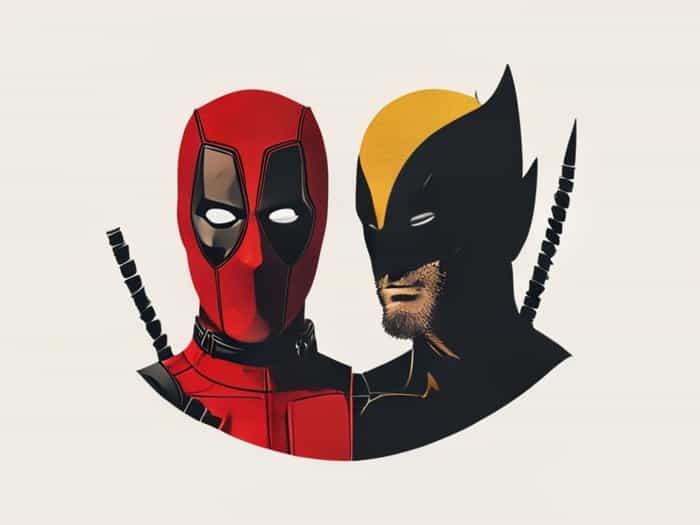
The runtime of films featuring Deadpool and Wolverine has always been a topic of interest for fans and casual viewers alike. Both characters, iconic figures from Marvel Comics, have appeared in multiple movies, often showcasing high-energy action sequences, intricate storytelling, and moments of humor. Understanding the runtime of these films provides insight into pacing, character development, and how filmmakers balance action with narrative. From solo adventures to team-up scenarios, Deadpool and Wolverine have contributed to the Marvel cinematic universe in ways that blend intense action with emotional depth, making runtime a critical factor for audience engagement.
Overview of Deadpool Films
Deadpool, portrayed by Ryan Reynolds, is known for his witty humor, fourth-wall-breaking dialogue, and fast-paced action sequences. The character made his standalone film debut in 2016 with Deadpool and returned in 2018 with Deadpool 2. Both films have been praised for their unique approach to superhero storytelling, incorporating irreverent humor and R-rated content while maintaining compelling plotlines.
Deadpool (2016) Runtime
The first Deadpool film has a runtime of approximately 108 minutes. This relatively concise length allows for a tight narrative that balances character introduction, origin story, and action sequences. The film’s pacing keeps viewers engaged from the opening scene to the climactic finale. Key aspects of the runtime include
- Introduction of Wade Wilson/Deadpool and his backstory
- Development of supporting characters such as Vanessa and Ajax
- Integration of action sequences with humor
- Final confrontation and resolution
Deadpool 2 (2018) Runtime
Deadpool 2 extends the runtime to approximately 119 minutes, allowing for expanded character development and more elaborate action sequences. The film introduces new characters, such as Cable and Domino, and explores themes of redemption and teamwork. The slightly longer runtime accommodates complex storylines while maintaining the franchise’s signature humor and energy.
Overview of Wolverine Films
Wolverine, famously portrayed by Hugh Jackman, has been a central figure in the X-Men film series. Known for his regenerative healing powers, adamantium claws, and brooding personality, Wolverine has appeared in both ensemble X-Men films and solo adventures. Understanding the runtime of Wolverine films helps fans appreciate how filmmakers balance his intense action scenes with character-driven storytelling.
X-Men Origins Wolverine (2009) Runtime
The first solo Wolverine film, X-Men Origins Wolverine, has a runtime of around 107 minutes. This film explores Logan’s early life, the Weapon X program, and the origins of his abilities. The runtime allows for a focused narrative that provides both backstory and action while introducing fans to the character’s motivations and inner struggles.
The Wolverine (2013) Runtime
The Wolverine follows Logan to Japan and has a runtime of approximately 126 minutes. This extended length provides time for deeper exploration of Wolverine’s emotional journey, including themes of loss, mortality, and personal growth. The runtime accommodates complex fight sequences, cultural context, and character development, making it one of the more introspective films in the franchise.
Logan (2017) Runtime
Considered a departure from traditional superhero films, Logan runs about 137 minutes. The extended runtime allows for a more contemplative and character-driven narrative, highlighting Logan’s vulnerability and his relationship with the young mutant Laura. The pacing is slower compared to previous films, emphasizing storytelling and emotional resonance alongside action.
Comparing Deadpool and Wolverine Runtimes
Comparing the runtimes of Deadpool and Wolverine films reveals differences in pacing and narrative focus. Deadpool films are generally shorter, around 108-119 minutes, reflecting their emphasis on humor, fast-paced action, and irreverent storytelling. Wolverine films, particularly later entries, tend to have longer runtimes, ranging from 107 to 137 minutes, accommodating more dramatic and emotional arcs alongside action sequences.
Impact on Storytelling
The runtime of these films directly influences how stories are told. Deadpool’s shorter runtime allows for quick, engaging storytelling with minimal downtime, making the film accessible and entertaining. Wolverine’s longer runtimes allow for detailed character development and exploration of complex themes, often resulting in a more emotionally impactful viewing experience.
Pacing and Audience Engagement
Deadpool films maintain a rapid pace, using quick cuts, fast dialogue, and comedic timing to keep audiences engaged. Wolverine films, while featuring intense action, often include slower segments to develop character and narrative tension. Both approaches highlight how runtime can shape audience perception and emotional investment in the story.
Factors Influencing Runtime
Several factors influence the runtime of Deadpool and Wolverine films, including
- Complexity of the plot and character arcs
- Number of new characters introduced
- Amount and scale of action sequences
- Inclusion of emotional or thematic content
- Directorial style and pacing preferences
Director and Creative Influence
Directors play a significant role in determining the runtime. For example, Tim Miller, who directed Deadpool, prioritized fast-paced, humorous storytelling, resulting in a concise runtime. James Mangold, director of Logan and The Wolverine, emphasized narrative depth and character study, leading to longer runtimes that accommodate both action and introspection. Creative choices regarding visual effects, fight choreography, and narrative complexity also affect how long the films run.
Home Release and Extended Cuts
Home media releases sometimes feature extended cuts that alter runtime. These versions can include additional scenes, deleted sequences, or bonus content that provides further context for characters and plotlines. For example, Deadpool 2 includes extended scenes in home release editions, slightly increasing the runtime. Fans often appreciate these versions for their additional insights and expanded storytelling.
Reception and Audience Response
Audience response to runtime varies depending on preferences for pacing and depth. Deadpool films are praised for their concise, fast-paced nature, which suits fans seeking humor and action without prolonged exposition. Wolverine films, especially Logan, receive acclaim for their longer runtimes, which allow for nuanced character development and a more emotionally resonant experience. Both approaches demonstrate how effective runtime management can enhance overall audience satisfaction.
Understanding the runtime of Deadpool and Wolverine films offers insight into their storytelling, pacing, and audience appeal. Deadpool films favor shorter runtimes that maximize humor, action, and quick engagement, while Wolverine films often use longer runtimes to explore character depth and thematic complexity. Both approaches highlight the importance of runtime in shaping narrative structure and viewer experience. By analyzing runtimes, fans and critics can better appreciate how these iconic Marvel characters are brought to life on screen, blending action, emotion, and storytelling into memorable cinematic experiences.