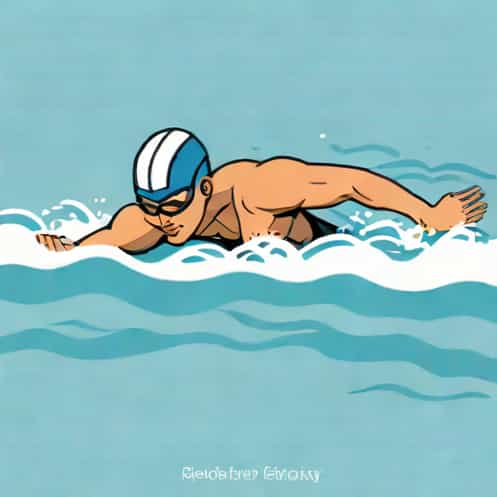
Improving speed in the breaststroke requires a combination of proper technique, strength training, endurance building, and consistent practice. Unlike freestyle or backstroke, the breaststroke has a unique rhythm and requires precise timing of the arms, legs, and breathing to maximize efficiency and reduce drag. Swimmers looking to get faster at breaststroke need to focus not only on technique but also on body positioning, propulsion, and streamlining to move smoothly through the water. By incorporating drills, exercises, and strategic training methods, anyone can enhance their breaststroke speed and overall swimming performance.
Understanding the Mechanics of Breaststroke
Before attempting to increase speed, it is important to understand how the breaststroke works. The stroke involves a simultaneous movement of the arms and legs with a glide phase, requiring coordination and timing. The pull phase with the arms generates forward propulsion, while the frog kick with the legs provides additional power. Efficient breathing and body positioning help maintain momentum and reduce resistance in the water. Understanding these mechanics is the foundation for improving performance.
Arm Technique
Effective arm movements are critical for generating propulsion. Key points to consider include
- Extend the arms fully forward during the glide phase to reduce drag.
- Pull the water outward and then sweep inward in a circular motion.
- Keep elbows slightly bent and maintain a smooth, continuous motion.
- Avoid excessive arm movement that disrupts timing and increases resistance.
Leg Technique
The frog kick provides a major source of propulsion. Techniques to optimize the kick include
- Bring heels toward the hips while keeping knees close together.
- Perform a strong outward sweep and then snap the legs together sharply.
- Ensure the feet are flexed outward during the kick for maximum water push.
- Coordinate the kick with the arm pull and glide to maintain rhythm.
Body Position and Streamlining
Body position affects speed by reducing drag and allowing smoother movement through the water. Keep the body horizontal and as flat as possible during the glide phase. Engage the core muscles to maintain a stable, streamlined position. The head should remain aligned with the spine, and minimal vertical movement is recommended. Streamlining during turns and push-offs also contributes significantly to faster breaststroke times.
Breathing Technique
Efficient breathing prevents unnecessary drag and maintains rhythm. Key tips include
- Lift the head just enough to breathe without lifting the chest too high.
- Time your breath with the arm pull to maintain momentum.
- Exhale smoothly underwater before the next stroke.
- Keep breathing relaxed to conserve energy for longer swims.
Drills to Improve Breaststroke Speed
Practicing specific drills helps reinforce technique, build strength, and improve coordination. Incorporate these into training sessions to see measurable improvements
Pull and Kick Drills
Focus on isolating arm and leg movements separately to perfect technique
- Use a pull buoy to isolate arm strokes and improve upper body strength.
- Practice breaststroke kick with a kickboard to strengthen legs and improve timing.
- Combine arms and legs slowly before increasing speed for precision and coordination.
Glide and Streamline Drills
Enhancing the glide phase reduces drag and increases efficiency
- Push off the wall and focus on maintaining a long, smooth glide.
- Practice dolphin-like body undulation to improve momentum during the stroke.
- Work on reducing resistance by keeping the body as horizontal as possible.
Speed and Interval Training
High-intensity intervals help build endurance and explosive power
- Perform short sprints of 25 to 50 meters at maximum effort with rest in between.
- Alternate between fast-paced and controlled strokes to train both speed and technique.
- Track times to monitor progress and identify areas for improvement.
Strength and Conditioning
Improving muscle strength and overall conditioning supports faster breaststroke performance. Focus on exercises that target the upper body, legs, and core, including
- Pull-ups and push-ups for arm and shoulder strength.
- Squats, lunges, and leg presses for powerful frog kicks.
- Planks, Russian twists, and medicine ball exercises to strengthen the core for better stability.
- Flexibility exercises to enhance range of motion and reduce strain during strokes.
Consistency and Practice
Regular, focused practice is essential to develop speed. Swimmers should aim for structured training sessions multiple times per week. Include a mix of technique drills, sprint sets, endurance swims, and strength training. Monitoring progress, adjusting techniques, and incorporating feedback from coaches can significantly accelerate improvement. Mental focus, discipline, and persistence are key to mastering the breaststroke and achieving faster times.
Tips for Effective Practice
- Warm up thoroughly before each session to prevent injury and prepare muscles.
- Cool down and stretch after training to enhance recovery and flexibility.
- Record stroke counts, split times, and perceived exertion to track improvement.
- Seek feedback from coaches or experienced swimmers to refine technique.
- Set realistic goals and gradually increase intensity to avoid burnout or injury.
Getting faster at breaststroke requires a combination of proper technique, body positioning, breathing control, drills, strength training, and consistent practice. Understanding the mechanics of arm and leg movements, maintaining a streamlined body, and executing effective breathing are foundational to speed improvement. Incorporating specialized drills, high-intensity interval training, and strength exercises enhances power, coordination, and efficiency in the water. Regular monitoring, coaching feedback, and disciplined training ensure continuous progress. By committing to these strategies, swimmers can significantly improve their breaststroke performance, reduce times, and achieve greater efficiency and speed in the pool.