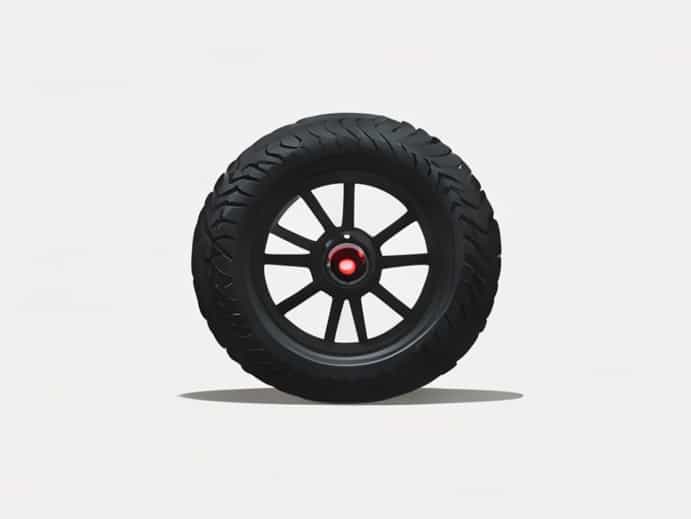
Tubeless tyres have become increasingly popular among car and motorcycle owners due to their advantages over traditional tube tyres, including better performance, lighter weight, and reduced chances of sudden air loss. However, despite these benefits, tubeless tyres can still experience punctures. Understanding why tubeless tyre puncture occurs is essential for vehicle owners to maintain safety, prolong tyre life, and prevent unexpected breakdowns. The causes of punctures are diverse, ranging from road hazards and tyre defects to improper maintenance and environmental factors. Exploring these causes in detail helps drivers take proactive measures to avoid damage and maintain optimal tyre performance.
Understanding Tubeless Tyres
Tubeless tyres are designed without an inner tube, unlike traditional tyres. The air is contained directly within the tyre, thanks to the airtight seal between the tyre and the rim. This design reduces friction between a tube and the tyre, minimizes heat generation, and allows the tyre to maintain pressure even when minor punctures occur. Tubeless tyres also allow the use of sealants, which can temporarily seal small punctures and prevent air loss.
Components of a Tubeless Tyre
A tubeless tyre consists of several critical components that contribute to its performance and puncture resistance
- The outer tread, which contacts the road and protects against sharp objects.
- The sidewalls, providing structural support and flexibility.
- The bead, which seals the tyre to the rim and maintains air pressure.
- The inner lining, which ensures the tyre is airtight and prevents air leakage.
Common Causes of Tubeless Tyre Punctures
Even though tubeless tyres are more resistant to punctures than tube tyres, they are not completely immune. Understanding the common causes of punctures helps drivers take preventive measures and address problems promptly.
Road Hazards and Sharp Objects
The most frequent cause of tubeless tyre puncture is contact with sharp objects on the road, such as nails, screws, glass, or metal debris. These objects can penetrate the tread and create small holes, leading to slow air leaks or, in severe cases, sudden deflation. Potholes, stones, and rough terrain can also damage the tyre and increase the likelihood of punctures.
Improper Tyre Pressure
Maintaining correct tyre pressure is critical for preventing punctures. Underinflated tyres are more vulnerable because they flex excessively, generating heat and increasing the risk of cuts and punctures. Overinflated tyres, on the other hand, have reduced contact with the road and are more susceptible to impact damage. Regularly checking and adjusting tyre pressure according to manufacturer recommendations is essential for avoiding punctures.
Tyre Wear and Age
Older tyres or those with worn tread are more prone to punctures. As the tread wears down, the protective layer over the tyre becomes thinner, reducing its ability to resist sharp objects. Additionally, the rubber in ageing tyres loses elasticity and can develop cracks, making it easier for punctures to occur. Regularly inspecting tyres for wear and replacing them when necessary is vital for safety.
Manufacturing Defects
Although rare, manufacturing defects can lead to punctures in tubeless tyres. Defects in the tyre’s bead, sidewall, or inner lining may result in weak spots that are more susceptible to damage. Ensuring tyres are purchased from reputable brands and authorized dealers can reduce the risk of defects and associated punctures.
Environmental and External Factors
External factors, including weather conditions and road surfaces, can also contribute to tubeless tyre puncture. These factors may not directly cause a puncture but can weaken the tyre and make it more vulnerable to damage.
Temperature and Sun Exposure
Extreme temperatures and prolonged exposure to sunlight can degrade the rubber in tyres. Heat causes the air inside the tyre to expand, increasing pressure and stressing the tyre. Cold temperatures, on the other hand, make the rubber less flexible and more prone to cracking. Ultraviolet radiation can also damage the tyre surface, reducing its durability and puncture resistance.
Road Conditions
Poorly maintained roads with potholes, loose gravel, or construction debris increase the likelihood of punctures. Drivers who frequently travel on rough or uneven terrain should inspect their tyres more regularly and consider using tyres with reinforced sidewalls or tougher treads for better protection.
Preventing Tubeless Tyre Punctures
Preventing punctures is preferable to repairing them, as repeated punctures can compromise tyre integrity and safety. Several strategies can reduce the risk of tubeless tyre puncture.
Regular Inspections
- Check tyres for cuts, cracks, embedded objects, and tread wear.
- Inspect the sidewalls and bead area for any signs of damage or air leakage.
- Remove small stones, nails, or debris lodged in the tread to prevent deeper punctures.
Maintain Proper Tyre Pressure
- Use a reliable pressure gauge to monitor tyre inflation regularly.
- Adjust tyre pressure according to manufacturer recommendations, considering load and road conditions.
- Remember to check tyre pressure when the tyres are cold for accurate readings.
Choose Quality Tyres
- Purchase tyres from reputable brands to minimize the risk of manufacturing defects.
- Select tyres suitable for your vehicle type, driving style, and road conditions.
- Consider tyres with reinforced sidewalls or puncture-resistant technology for added safety.
Use Sealants and Repair Kits
For minor punctures, tubeless tyres often allow temporary repair using sealants or plug kits. Sealants can close small holes automatically as air escapes, while plug kits provide a temporary patch for larger punctures. However, these solutions are usually temporary, and professional inspection is recommended after use.
Tubeless tyre punctures can occur due to various factors, including road hazards, improper tyre pressure, wear and tear, environmental conditions, and occasional manufacturing defects. While tubeless tyres offer advantages over traditional tube tyres, they are not completely immune to damage. Regular maintenance, proper inflation, quality tyre selection, and timely inspections are essential to minimize puncture risks. Understanding why tubeless tyre puncture occurs helps drivers take preventive measures, ensuring safety, longevity, and optimal performance of their tyres while reducing the likelihood of unexpected breakdowns on the road.