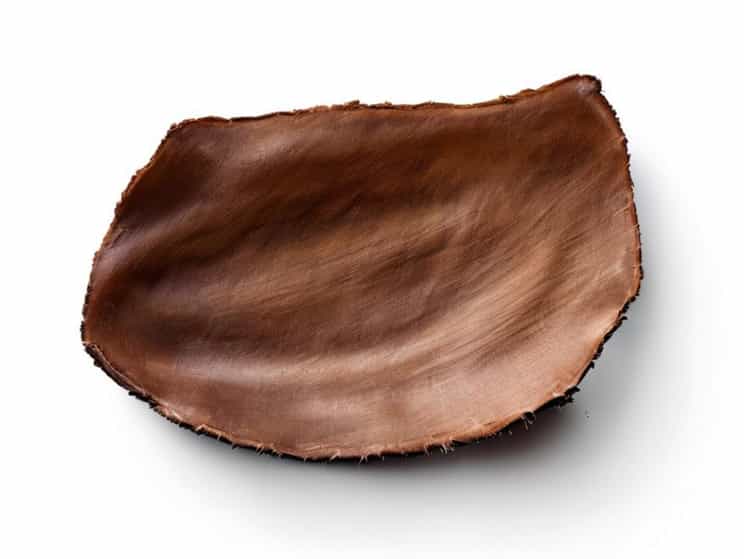
Rawhide is a material commonly associated with traditional crafts, dog chews, and leather products. It is widely recognized for its toughness, durability, and versatility. Understanding what rawhide is made of involves exploring its origins, processing methods, and the natural properties that make it useful for various applications. Often confused with leather, rawhide is distinct due to its preparation process and the characteristics it retains. It has been used for centuries by different cultures for making items ranging from clothing and footwear to ropes and protective coverings. Its natural composition and traditional manufacturing techniques contribute to its unique strength and texture.
Definition of Rawhide
Rawhide is the untanned skin of an animal, typically cattle, deer, or horses. Unlike leather, which undergoes a tanning process to preserve and soften it, rawhide is simply cleaned, dried, and sometimes treated to remove hair and flesh. This minimal processing allows rawhide to retain much of its natural rigidity and toughness. Its dense fiber structure makes it particularly strong and resistant to stretching or tearing under stress. This property is one reason why rawhide has been historically valued for tools, coverings, and durable goods.
Animals Used for Rawhide
The most common sources of rawhide are cattle, horses, and deer. Each animal provides skins with slightly different textures and thicknesses, affecting the final product’s characteristics
- CattleCowhide is the most widely used source for rawhide. It is thick, durable, and readily available, making it ideal for heavy-duty applications such as drum heads, ropes, and protective coverings.
- HorsesHorsehide is slightly stiffer than cowhide and is often chosen for items requiring extra toughness, like work gloves and saddles.
- DeerDeerhide is thinner and more flexible than cow or horse rawhide. It is often used for clothing, moccasins, and other items where pliability is needed.
Processing Rawhide
The production of rawhide involves several steps to prepare the skin for use while preserving its natural strength. Unlike leather tanning, rawhide processing is relatively simple, focusing on cleaning and drying rather than chemical treatment. The main steps include
1. Skinning
The first step in rawhide production is carefully removing the skin from the animal. This must be done to avoid damaging the fibers, as the strength of rawhide depends on the integrity of the collagen structure in the skin.
2. Cleaning
Once the skin is removed, it is cleaned to remove hair, fat, and any remaining flesh. This can be done through scraping, soaking, or chemical treatments designed to ensure the rawhide is hygienic and free of debris. The cleaning process is essential for preventing decomposition during drying.
3. Stretching and Drying
After cleaning, the rawhide is stretched on frames or racks to maintain shape and to prevent shrinkage as it dries. The drying process is often done in open air, which helps the rawhide harden while maintaining its toughness. During drying, the fibers of the skin contract and interlock, which is why rawhide becomes rigid and durable.
4. Optional Treatments
Some rawhide products may undergo additional treatments, such as soaking in water or other solutions to soften them temporarily for crafting purposes. However, rawhide generally retains a firmer, less flexible texture than tanned leather.
Uses of Rawhide
Rawhide is a versatile material that has been used in many applications for centuries. Its toughness, combined with the natural fiber structure, makes it suitable for a wide range of purposes
- Dog ChewsRawhide is perhaps most popularly known today as a chew toy for dogs. It is durable, edible, and helps in maintaining dental health by cleaning teeth as dogs chew.
- Crafting and LeatherworkArtisans use rawhide for drum heads, bows, laces, and protective coverings. It can be shaped and molded when wet and hardens upon drying.
- Traditional Clothing and AccessoriesNative American and other indigenous cultures have historically used rawhide for clothing, moccasins, belts, and armor due to its durability and protective qualities.
- Ropes and StrapsTwisted or braided rawhide creates strong ropes and straps that can support significant weight, making them suitable for outdoor and survival purposes.
Rawhide vs Leather
While rawhide and leather both originate from animal skins, the key differences lie in the processing methods and resulting properties. Leather undergoes tanning, which stabilizes the collagen fibers and increases flexibility, water resistance, and longevity. Rawhide, on the other hand, is untanned, making it stiffer and less water-resistant but extremely strong when dry. This distinction affects how each material is used, with rawhide preferred for applications requiring rigidity and leather favored for pliable, long-lasting goods.
Safety and Considerations
When using rawhide, whether in crafting or as a dog chew, it is important to consider safety and quality. Some commercial rawhide products may be treated with chemicals or preservatives, so choosing high-quality, natural rawhide is advisable. For dogs, supervision is important because large pieces can break off and pose a choking hazard. In crafting, working with rawhide requires soaking or softening before manipulation to avoid cracking or breaking the material.
Environmental and Ethical Considerations
Rawhide is a natural product derived from animals, often by-products of the meat industry. Its use can contribute to reducing waste by utilizing skins that might otherwise be discarded. However, ethical sourcing is important to ensure animals are treated humanely and sustainably. Choosing rawhide from reputable sources helps support responsible production practices.
Rawhide is a versatile, natural material made from the untanned skins of animals such as cows, horses, and deer. Its production involves careful skinning, cleaning, stretching, and drying, which preserves its natural toughness and rigidity. Unlike leather, rawhide is stiff and less flexible but excels in applications requiring strength and durability. From dog chews to traditional crafts, rawhide continues to be valued for its unique properties. Understanding what rawhide is made of and how it is processed provides insight into its long-standing role in culture, industry, and everyday life. Whether used for functional items, artistic creations, or pet care, rawhide remains a practical and enduring material that combines natural strength with traditional craftsmanship.