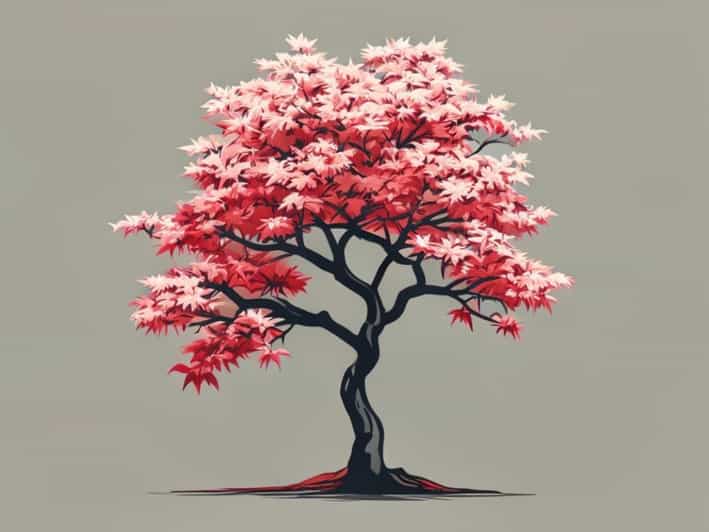
Japanese maple trees are prized for their delicate foliage, elegant shape, and vibrant seasonal colors. Over time, however, even the most well-cared-for Japanese maple can become overgrown, with dense branches, crowded growth, and uneven shape. Pruning an overgrown Japanese maple is essential to maintain its beauty, health, and structural integrity. Proper pruning encourages new growth, improves air circulation, and enhances the tree’s natural form. While pruning can seem intimidating due to the tree’s intricate branching and fragile leaves, following careful techniques ensures that the tree remains healthy and visually appealing for years to come.
Understanding Japanese Maple Growth
Before pruning, it is important to understand how Japanese maple trees grow. These trees typically have a slow to moderate growth rate and develop a natural, graceful canopy. Over time, branches may become crowded, crossed, or weak, especially if the tree has not been pruned regularly. Understanding the tree’s growth habits helps you make informed decisions about which branches to remove and which to preserve, ensuring the tree retains its characteristic form.
Signs Your Japanese Maple Needs Pruning
- Overcrowded branches that block light and air circulation.
- Dead, damaged, or diseased branches.
- Branches crossing or rubbing against each other.
- Loss of the tree’s natural shape or symmetry.
- Excessive growth that encroaches on walkways or structures.
Identifying these signs helps you prioritize pruning tasks and determine how much work is needed to restore the tree’s shape and health.
When to Prune a Japanese Maple
Timing is crucial when pruning a Japanese maple. Pruning at the wrong time can stress the tree or lead to sap bleeding. The best times for pruning are
Late Winter to Early Spring
This period, before new growth begins, allows you to see the branch structure clearly. Pruning during dormancy minimizes stress and promotes healthy growth in the upcoming season.
After Leaf Drop in Autumn
Pruning after the tree has lost its leaves also makes it easier to view the structure and identify crowded or weak branches.
Avoid Pruning During Summer
Pruning in summer can expose the tree to sunburn, stress, and excessive sap loss. Heavy pruning at this time is generally discouraged.
Tools Needed for Pruning
Using the right tools is essential for making clean cuts and avoiding damage to the tree
- Sharp bypass pruners for small branches and twigs.
- Loppers for medium-sized branches.
- Pruning saw for large or thick branches.
- Protective gloves and eye protection.
- Disinfectant solution to sterilize tools between cuts and prevent disease spread.
Step-by-Step Guide to Pruning an Overgrown Japanese Maple
Step 1 Assess the Tree
Before making any cuts, step back and evaluate the tree from different angles. Identify branches that are dead, diseased, crossing, or disrupting the overall shape. Visualizing the desired final shape helps guide pruning decisions.
Step 2 Remove Dead or Damaged Branches
Start by cutting away any dead, broken, or diseased branches. Make clean cuts at the branch collar, the slightly swollen area where the branch meets the trunk or larger limb. This encourages proper healing and prevents disease from spreading.
Step 3 Thin Crowded Areas
Identify areas where branches are densely packed. Selectively remove some branches to allow light and air to penetrate the canopy. This thinning process improves overall tree health and reduces the risk of fungal infections. Avoid removing more than one-third of the tree’s branches in a single pruning session to prevent shock.
Step 4 Correct Crossed Branches
Branches that cross or rub against each other can cause wounds and weak points. Remove one of the crossing branches at its base, focusing on maintaining the natural flow and shape of the tree. Always choose the branch that least contributes to the desired structure.
Step 5 Maintain Natural Shape
Japanese maples are valued for their graceful, layered forms. Avoid shearing or cutting indiscriminately. Prune to enhance the natural shape rather than creating artificial symmetry. Use selective cuts to improve balance and accentuate the tree’s natural beauty.
Step 6 Shorten Overlong Branches
If certain branches have grown too long and disrupt the tree’s proportions, prune them back to a lateral branch or bud that faces the direction you want the new growth to follow. This encourages compact growth and preserves the tree’s overall aesthetics.
Aftercare Following Pruning
After pruning an overgrown Japanese maple, proper care supports healing and encourages new growth
Watering
Ensure the tree receives adequate water, particularly during dry periods. Well-hydrated trees recover faster from pruning and reduce stress.
Mulching
Apply a layer of mulch around the base of the tree to retain soil moisture, regulate temperature, and protect the roots. Keep mulch a few inches away from the trunk to prevent rot.
Fertilizing
Light fertilization can promote healthy growth, but avoid over-fertilizing immediately after heavy pruning. Choose a balanced, slow-release fertilizer suitable for Japanese maples.
Common Mistakes to Avoid
- Pruning too late in summer, which can lead to stress and sun damage.
- Removing too many branches at once, shocking the tree.
- Using dull or improper tools, causing ragged cuts and disease entry points.
- Shearing the tree into unnatural shapes, which damages its natural beauty.
Benefits of Proper Pruning
Regular and careful pruning of an overgrown Japanese maple offers numerous benefits
- Improved air circulation, reducing the risk of fungal infections.
- Enhanced light penetration, promoting healthier foliage and vibrant seasonal colors.
- Maintained structural integrity, preventing weak branches from breaking.
- Refined shape, highlighting the tree’s natural elegance.
- Encouragement of new, vigorous growth in the following seasons.
Pruning an overgrown Japanese maple requires patience, careful observation, and knowledge of proper techniques. By assessing the tree, removing dead or crowded branches, correcting crossed limbs, and maintaining the natural shape, you can restore the tree’s beauty and health. Proper timing, using the right tools, and providing aftercare are essential to ensure the tree recovers quickly and thrives in future seasons. With consistent attention and mindful pruning, your Japanese maple will remain a stunning and graceful feature in your garden, showcasing vibrant foliage and elegant structure year after year.