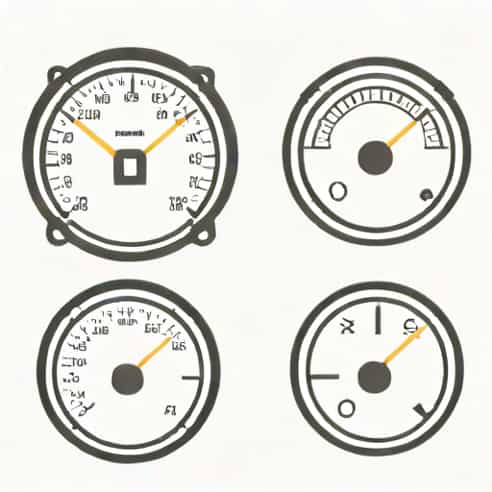
Electricity is a fundamental part of our daily lives, powering everything from household appliances to complex industrial machines. To understand and measure electricity effectively, it is essential to use the right instruments. Among these instruments, ammeters and voltmeters are commonly used for measuring electrical properties. While both devices are critical in electrical circuits, they serve different purposes and have distinct characteristics. Knowing how to distinguish between an ammeter and a voltmeter can help both beginners and experienced electricians perform accurate measurements and ensure the safety of their electrical systems.
Definition and Purpose
Ammeter
An ammeter is an instrument designed to measure the current flowing through an electrical circuit. The unit of current is amperes, often abbreviated as A. Current represents the flow of electric charge, and an ammeter provides a direct reading of this flow. It is commonly used in laboratories, industrial setups, and household applications where understanding the current is necessary for circuit analysis, troubleshooting, and ensuring components operate within safe limits.
Voltmeter
On the other hand, a voltmeter is used to measure the voltage or potential difference between two points in an electrical circuit. Voltage, measured in volts (V), represents the force that pushes electric charges through a conductor. A voltmeter does not measure the flow of current directly but rather the energy difference that drives the current. Voltmeters are widely used in testing batteries, electrical devices, and power systems to ensure proper voltage levels and prevent damage from overvoltage or undervoltage conditions.
Connection in a Circuit
Series vs. Parallel Connection
One of the most significant differences between an ammeter and a voltmeter is how they are connected in a circuit. An ammeter must be connected in series with the component whose current is being measured. This configuration ensures that the entire current flows through the ammeter, providing an accurate reading. Connecting an ammeter incorrectly, such as in parallel, can damage the device due to excessive current passing through it.
In contrast, a voltmeter is connected in parallel across the two points where the voltage is to be measured. This allows the voltmeter to measure the potential difference without significantly altering the current flowing in the circuit. Voltmeters are designed with high internal resistance to minimize current draw, ensuring they do not affect the circuit’s operation.
Internal Resistance
Characteristics of Ammeter Resistance
An ammeter typically has very low internal resistance. Low resistance is necessary so that the instrument does not significantly impede the flow of current in the circuit. If an ammeter had high resistance, it would reduce the current and provide an inaccurate reading. The low resistance design helps the ammeter detect even small changes in current accurately, which is critical for precise measurements in sensitive electronic circuits.
Characteristics of Voltmeter Resistance
In contrast, a voltmeter is designed with very high internal resistance. High resistance ensures that the voltmeter draws minimal current from the circuit, preventing it from affecting the circuit’s normal operation. A voltmeter with low resistance would act like a short circuit across the points it is measuring, potentially causing damage to the circuit and providing an unreliable voltage reading.
Measurement Range and Scales
Ammeter Scale
Ammeter scales are calibrated in amperes or milliamperes, depending on the type of current being measured. Some ammeters come with multiple ranges, allowing the user to measure small currents in milliamperes and larger currents in amperes. Analog ammeters use a needle to indicate the current, while digital ammeters display a numerical value on a screen for precise readings.
Voltmeter Scale
Voltmeter scales are calibrated in volts, often with multiple ranges to measure low to high voltages. Analog voltmeters have a needle pointer that moves across a scale, while digital voltmeters provide a direct numeric display. Accurate voltage measurement is critical for battery testing, electrical troubleshooting, and ensuring that electronic devices receive the correct operating voltage.
Applications in Everyday Life
Ammeter Applications
Ammeter applications include measuring current in household circuits, automotive circuits, and industrial machines. For example, in car maintenance, an ammeter can measure the current supplied by the battery to ensure it is functioning correctly. In industrial setups, ammeters help monitor machinery performance and detect overcurrent conditions that could damage equipment.
Voltmeter Applications
Voltmeters are essential for monitoring voltage levels in various systems. They are used in checking household electrical outlets, testing batteries, and verifying power supply outputs in electronics. For instance, when charging a battery, a voltmeter ensures that the battery receives the correct voltage, preventing overcharging or undercharging, which could shorten battery life.
Accuracy and Safety Considerations
Ensuring Accurate Ammeter Readings
To ensure accurate readings with an ammeter, it is important to connect it correctly in series and choose the appropriate current range. Modern digital ammeters often include features like overload protection to prevent damage from excessive current. Proper handling and calibration are essential for both safety and accuracy.
Ensuring Accurate Voltmeter Readings
For a voltmeter, accuracy depends on proper parallel connection and using the correct voltage range. High-resistance design helps minimize errors caused by circuit loading. Voltmeters should also be rated for the voltage being measured to prevent potential hazards, including electric shocks or damage to the instrument.
Summary of Key Differences
- PurposeAmmeter measures current, voltmeter measures voltage.
- ConnectionAmmeter in series, voltmeter in parallel.
- Internal ResistanceAmmeter has low resistance, voltmeter has high resistance.
- Measurement UnitAmmeter uses amperes, voltmeter uses volts.
- Impact on CircuitAmmeter slightly affects the circuit, voltmeter minimally affects the circuit.
- ApplicationsAmmeter for current monitoring, voltmeter for voltage monitoring.
Understanding the differences between ammeters and voltmeters is crucial for anyone working with electrical circuits. While both are essential measuring instruments, their distinct purposes, connection methods, and internal resistances define their use. Ammeters focus on the flow of current, whereas voltmeters measure the energy driving that current. Proper usage ensures accurate readings, protects equipment, and maintains safety. By distinguishing between these instruments, users can perform precise electrical measurements, troubleshoot problems efficiently, and maintain the longevity of their devices and systems.