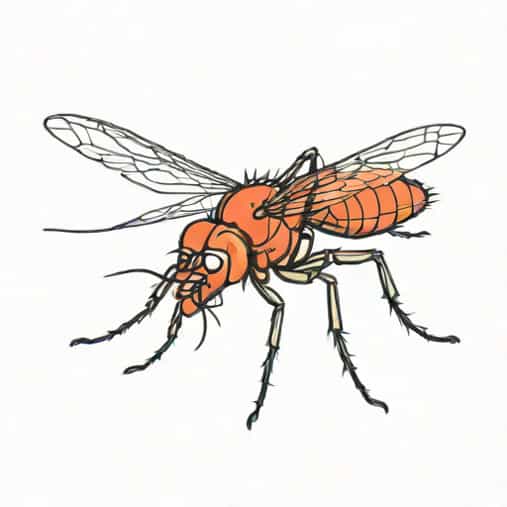
The female Anopheles mosquito is widely recognized in the field of public health and medical entomology as a significant vector of several deadly diseases. Unlike males, female Anopheles mosquitoes require blood meals to produce eggs, which brings them into direct contact with humans and animals. Through this blood-feeding behavior, they can transmit pathogens that cause serious illnesses. Understanding the biology, behavior, and vectorial capacity of the female Anopheles mosquito is crucial for developing effective disease prevention strategies and controlling outbreaks. This topic explores the diseases transmitted by female Anopheles mosquitoes, their life cycle, and their impact on global health.
The Biology of Female Anopheles Mosquitoes
Female Anopheles mosquitoes are part of the genus Anopheles, which includes over 400 species worldwide. Not all species transmit diseases, but several are notorious for their role in spreading malaria and other infections. Female mosquitoes are slightly larger than males and possess specialized mouthparts called proboscises, which allow them to pierce skin and feed on blood. They are active primarily at night and prefer humid environments near standing water, which serves as breeding sites for their eggs.
Life Cycle of Female Anopheles Mosquitoes
The life cycle of the female Anopheles mosquito consists of four stages egg, larva, pupa, and adult. The female lays eggs in stagnant or slow-moving water. These eggs hatch into larvae that feed on microorganisms and organic matter. The larvae then transform into pupae before emerging as adult mosquitoes. Female adults seek blood meals to nourish their developing eggs, making them vectors for transmitting pathogens from one host to another.
Diseases Transmitted by Female Anopheles Mosquitoes
The female Anopheles mosquito is best known for transmitting malaria, but it can also be involved in the spread of other diseases. Their role as a vector depends on the mosquito species, the parasite or pathogen involved, and environmental conditions. Key diseases transmitted by female Anopheles mosquitoes include
1. Malaria
Malaria is the most significant disease associated with female Anopheles mosquitoes. Caused by Plasmodium parasites, malaria is transmitted when an infected female mosquito bites a human, injecting the parasites into the bloodstream. Malaria symptoms include fever, chills, headache, and fatigue, and if untreated, it can lead to severe complications and death. Anopheles gambiae and Anopheles funestus are among the primary malaria vectors in Africa.
2. Lymphatic Filariasis
Some species of Anopheles mosquitoes can transmit filarial worms that cause lymphatic filariasis, a disease that leads to severe swelling and disability. The female mosquito picks up microfilariae when feeding on an infected human, and the parasites mature within the mosquito before being transmitted to another human during a subsequent bite.
3. Arboviral Infections
While less common than malaria transmission, certain Anopheles species have been studied for their potential role in spreading arboviruses such as O’nyong’nyong virus. These viruses can cause fever, joint pain, and other symptoms. Research continues to assess the vectorial capacity of Anopheles mosquitoes for different arboviruses in various regions.
Factors Influencing Disease Transmission
The ability of female Anopheles mosquitoes to act as vectors depends on several biological, environmental, and human-related factors. Understanding these factors is essential for effective control and prevention efforts.
Biological Factors
- Species of Anopheles mosquito
- Parasite or pathogen compatibility
- Lifespan of the mosquito
- Frequency of blood feeding
Environmental Factors
- Availability of breeding sites such as stagnant water
- Temperature and humidity, which affect mosquito survival and pathogen development
- Seasonal changes influencing mosquito population density
Human Factors
- Population density and human movement patterns
- Use of preventive measures such as bed nets and repellents
- Access to health care and early treatment for infected individuals
Prevention and Control Measures
Preventing the spread of diseases transmitted by female Anopheles mosquitoes requires a combination of vector control strategies, personal protective measures, and community health interventions. Key approaches include
Vector Control
- Eliminating breeding sites by draining stagnant water
- Using insecticides in homes and surrounding areas
- Introducing biological control agents like fish that feed on mosquito larvae
Personal Protection
- Using insecticide-treated bed nets while sleeping
- Applying mosquito repellents on exposed skin
- Wearing long-sleeved clothing to reduce mosquito bites
Community and Public Health Initiatives
- Implementing mass drug administration for diseases like lymphatic filariasis
- Conducting awareness campaigns about mosquito-borne diseases
- Encouraging early diagnosis and treatment of infections
Global Health Impact
Female Anopheles mosquitoes are a major concern for global health organizations because they are responsible for transmitting some of the most deadly diseases in tropical and subtropical regions. Malaria alone causes hundreds of thousands of deaths annually, primarily in children under five. Effective mosquito control and disease management programs are essential to reduce morbidity and mortality caused by these vector-borne diseases.
Research and Future Directions
Ongoing research aims to better understand the biology and behavior of female Anopheles mosquitoes to develop innovative solutions. This includes genetic modification strategies, new insecticides, and vaccines against malaria and other mosquito-borne pathogens. Improved surveillance systems and data collection help predict outbreaks and implement timely interventions.
The female Anopheles mosquito is a critical vector of diseases, most notably malaria, but also lymphatic filariasis and certain arboviral infections. Its role as a disease transmitter highlights the importance of understanding its biology, life cycle, and environmental interactions. Effective prevention and control strategies, including vector management, personal protection, and public health initiatives, are essential to reduce the burden of mosquito-borne diseases worldwide. Continued research, awareness, and coordinated efforts remain key to minimizing the impact of female Anopheles mosquitoes on human health and improving outcomes for vulnerable populations.