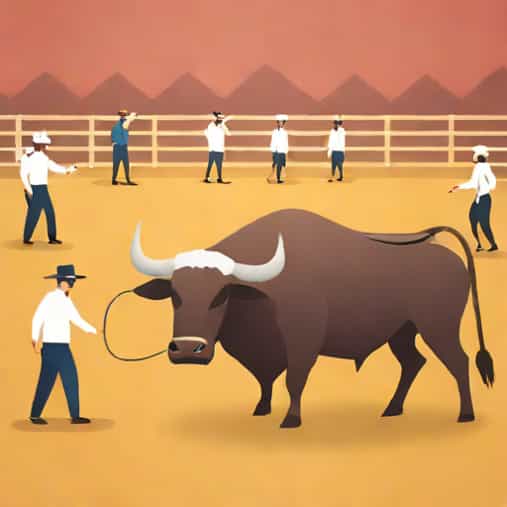
Bullfighting has long been a subject of debate, curiosity, and cultural interest, especially in countries where it has historical roots. Many people who hear about bullfighting wonder not only what happens in the arena, but also how bulls are treated before a bullfight begins. Understanding this topic requires looking at tradition, animal handling practices, breeding methods, transportation, and the conditions bulls experience leading up to the event. By exploring these aspects, readers can gain a clearer and more balanced picture of the treatment of bulls before a bullfight.
The Role of Bulls in Bullfighting Traditions
In traditional bullfighting cultures, the bull is not viewed as an ordinary farm animal. Fighting bulls, often known as Spanish fighting bulls, are bred specifically for bullfighting events. These animals are selected for their strength, aggression, and physical endurance. From an early age, they are raised with the expectation that they will one day enter the arena.
This cultural context strongly influences how bulls are treated before a bullfight. Supporters of bullfighting argue that the bulls are respected as symbols of bravery and power, while critics question whether tradition justifies the practices involved.
Breeding and Early Life of Fighting Bulls
The treatment of bulls before a bullfight begins long before the actual event. Fighting bulls are typically bred on large ranches, often called ganaderías, where they live in open fields. These ranches are designed to allow the bulls to grow strong and develop natural behaviors with minimal human contact.
During their early years, bulls are generally not used for labor or meat production. Instead, they roam freely, graze on natural vegetation, and interact with other bulls. This period is often described as one of relative freedom compared to other forms of livestock farming.
Limited Human Interaction
One notable aspect of their upbringing is limited human interaction. Bulls are rarely handled directly to preserve their natural aggression and unpredictability. This means they are not trained or tamed in the way other cattle might be.
- Minimal physical handling
- Natural grazing and movement
- Focus on physical development
Selection Process Before a Bullfight
As bulls mature, usually around four to five years of age, they are evaluated to determine whether they are suitable for a bullfight. This selection process focuses on physical strength, horn shape, size, and behavioral traits.
Not all bulls bred for bullfighting actually enter the arena. Some are removed from the selection if they do not meet specific criteria. Those that are chosen are then prepared for transport to the bullring.
Transportation to the Bullring
Transportation is a critical stage in how bulls are treated before a bullfight. Bulls are typically moved from ranches to the bullring using specialized vehicles designed to handle large animals. The journey can be stressful, as bulls are not accustomed to confined spaces or frequent human presence.
Efforts are sometimes made to reduce injury during transport, such as separating bulls into individual compartments. However, critics argue that transportation itself can cause anxiety and physical strain.
Conditions During Transport
The conditions during transport vary depending on location and regulation. Factors that influence the bulls’ experience include travel distance, duration, and handling methods.
- Individual or small group compartments
- Limited movement during transit
- Monitoring for visible injuries
Housing Before the Bullfight
Once the bulls arrive at the bullring, they are placed in holding pens. These pens are usually dark and enclosed, designed to prevent the bulls from seeing the arena before the event. The intention is to keep the bull unfamiliar with its surroundings until it enters the ring.
Bulls may spend hours or even a full day in these holding areas. During this time, they are typically given water and may be inspected for injuries or abnormalities.
Physical Examination and Regulations
In some regions, regulations require that bulls undergo a physical examination before the bullfight. This examination may include checking the horns, weight, and overall health of the animal. The goal is to ensure that the bull meets the official standards of the event.
Supporters claim these inspections are meant to prevent unnecessary suffering caused by pre-existing injuries. However, enforcement and transparency can vary widely.
Controversial Practices and Allegations
One of the most debated aspects of how bulls are treated before a bullfight involves allegations of mistreatment. Critics have claimed that bulls may be weakened through various means prior to entering the arena, such as fatigue, stress, or physical manipulation.
While supporters of bullfighting deny systematic abuse, animal welfare organizations continue to raise concerns. The lack of universal oversight makes it difficult to verify what occurs in every case.
Common Allegations
- Stress from isolation and darkness
- Physical exhaustion from transport
- Possible injuries before the event
Psychological Stress Before the Event
Beyond physical treatment, psychological stress plays a significant role in how bulls are affected before a bullfight. Bulls are naturally territorial animals, and sudden changes in environment can be distressing.
The unfamiliar smells, sounds, and confinement can increase agitation and anxiety. This heightened stress level is often noticeable when the bull is released into the arena.
Arguments from Supporters of Bullfighting
Supporters argue that fighting bulls live better lives than many other livestock animals before the bullfight. They point to the open-range upbringing, natural diet, and lack of industrial farming practices.
According to this perspective, the treatment of bulls before a bullfight reflects a form of respect rooted in tradition. The bull is seen as a central figure, not merely a commodity.
Perspectives from Animal Welfare Advocates
Animal welfare advocates strongly disagree with the idea that tradition justifies the treatment of bulls before a bullfight. They emphasize that regardless of upbringing, the stress and harm associated with the event cannot be overlooked.
From this viewpoint, the conditions leading up to the bullfight, including transport and confinement, contribute to unnecessary suffering.
Legal and Regional Differences
The treatment of bulls before a bullfight can differ depending on the country or region. Some areas have introduced stricter regulations regarding animal handling, transportation, and veterinary checks.
In contrast, other regions rely heavily on tradition, with fewer modern animal welfare standards applied. These differences shape the overall experience of the bull before it enters the ring.
Changing Attitudes and Modern Debate
Public attitudes toward bullfighting are changing, and this shift has increased attention on how bulls are treated before a bullfight. Greater awareness of animal welfare issues has led to protests, legal challenges, and declining support in some regions.
As a result, discussions about the ethical treatment of bulls now extend beyond the arena and into the entire process leading up to the event.
Understanding how bulls are treated before a bullfight requires looking at breeding, transportation, housing, and the cultural beliefs surrounding the practice. While fighting bulls often experience years of free-range living, the period immediately before a bullfight involves confinement, transport stress, and unfamiliar environments.
This complex reality fuels ongoing debate between tradition and animal welfare. By examining these practices closely, readers can form their own informed opinions about the treatment of bulls and the future of bullfighting in modern society.