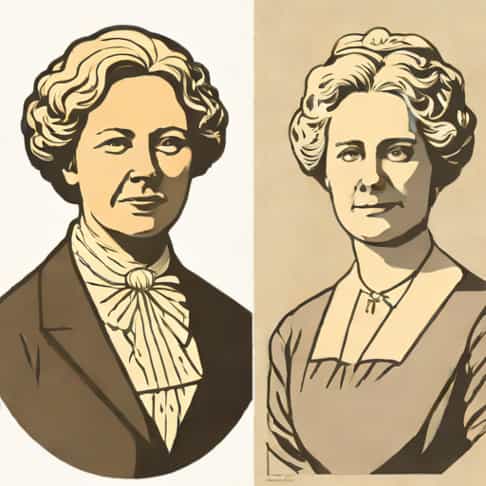
Elizabeth Cady Stanton and Lucretia Mott stand among the most influential figures in the history of women’s rights, shaping the early momentum that would eventually lead to massive social change in the United States. Their partnership, rooted in shared experiences of discrimination and a strong belief in equality, sparked conversations that would resonate for decades. Understanding their lives, their motivations, and the impact of their collaboration helps illuminate how social movements grow and evolve through the dedication of determined individuals working toward common goals.
Early Lives and Influences
Both Elizabeth Cady Stanton and Lucretia Mott were influenced early in life by the inequality they witnessed around them. Stanton, born in 1815 in New York, grew up in a well-educated household. Her father was a lawyer, and she became aware at a young age how laws favored men. She often recounted how hearing her father say, I wish you were a boy, filled her with a determination to challenge gender restrictions.
Lucretia Mott, born earlier in 1793 in Massachusetts, was raised in a Quaker family. Quaker values emphasized equality, which shaped her lifelong commitment to justice. Mott became a teacher and later recognized that male teachers were paid more for the same work. This observation helped fuel her activism, inspiring her to speak publicly about equality and women’s rights long before such topics were widely accepted.
Shared Experiences That Sparked Action
Stanton and Mott first met in 1840 at the World Anti-Slavery Convention in London. Both women traveled with their husbands to attend, expecting to participate fully in the event. Instead, they were denied seats and forced to sit behind a curtain simply because they were women. This experience deeply offended them and highlighted the broader discrimination women faced-even within reform movements dedicated to freedom and human rights.
During this convention, the two women formed a bond and began discussing the broader social limitations placed upon women. Their shared frustration became the foundation of future collaboration, with both agreeing that something had to change.
The Seneca Falls Convention
The result of their shared ideas emerged eight years later when they helped organize the Seneca Falls Convention in 1848. This landmark gathering in Seneca Falls, New York, is widely considered the formal beginning of the women’s rights movement in the United States. Stanton took the lead in drafting the Declaration of Sentiments, a document inspired by the Declaration of Independence. Mott played a key role in shaping the event and encouraging participation.
The Declaration of Sentiments boldly stated that all men and women are created equal, challenging the legal and social structures that allowed inequality to persist. It outlined grievances against the laws that denied women the right to vote, own property, receive equal education, or participate equally in public life.
- Demanding voting rights for women
- Challenging discriminatory marriage laws
- Advocating for equal educational opportunities
- Calling for greater participation in public life
The convention drew significant attention, both supportive and critical. Some newspaper editors mocked the ideas presented, but the impact of the event was undeniable. It set the stage for decades of activism, and the efforts of Mott and Stanton inspired countless others to join the cause.
The Strength of Their Partnership
Elizabeth Cady Stanton and Lucretia Mott complemented each other in ways that strengthened their activism. Mott, known for her calm and persuasive manner, was widely respected for her long experience as a speaker and advocate for abolition. Stanton, meanwhile, was a powerful writer and thinker, unafraid of challenging societal norms.
Stanton tended to push for bold reforms, including women’s suffrage, while Mott’s approach was often more moderate, grounded in Quaker principles of harmony and persuasion. Their differences made their collaboration richer, offering a balance of passion and diplomacy that helped their message reach broader audiences.
The Broader Context of Their Activism
The work of these two women unfolded during a period of intense social change. Movements for abolition, temperance, and educational reform were reshaping American society. Both Stanton and Mott saw these movements as interconnected. They believed that promoting equality in one area naturally supported freedom in another.
Mott continued working prominently within the abolitionist movement, connecting her advocacy for women’s rights with her efforts to end slavery. Stanton focused more heavily on legal reforms and suffrage, devoting her energy to pushing the nation toward recognizing women as full citizens.
Challenges and Criticism
Like many activists who challenge accepted norms, Stanton and Mott faced significant opposition. Some critics accused them of being radical troublemakers, while others argued that they were disrupting social order. Even within reform circles, not everyone agreed that women’s rights should be prioritized.
Stanton’s push for suffrage was especially controversial at a time when many considered the idea unthinkable. Mott also encountered resistance, especially for her active public speaking-a behavior many believed inappropriate for women during the early 1800s.
Despite these challenges, both women remained committed to the movement. Their persistence demonstrated the determination needed to fuel long-term social change.
Continued Influence After Seneca Falls
Following the Seneca Falls Convention, Stanton and Mott continued working to advance women’s rights. Stanton became increasingly involved in writing and organizing, helping shape the early suffrage movement. Mott remained active not only in women’s rights but also in pacifism and educational reform.
Although their paths sometimes diverged as the movement grew and new leaders emerged, their early collaboration continued to influence the direction of the cause. The seeds they planted eventually contributed to major victories, including the long-awaited passage of the 19th Amendment in 1920, which granted women the right to vote.
Legacy of Elizabeth Cady Stanton and Lucretia Mott
The impact of Stanton and Mott extends far beyond the events of their own lifetimes. Their ideas helped shape future generations of activists. Their speeches, writings, and organizational efforts laid the foundation for modern gender equality movements.
They are remembered as visionaries who recognized that lasting social change requires both moral courage and sustained action. Their partnership demonstrated the power of collaboration, and their work remains a reminder that progress often begins with a simple refusal to accept injustice.
- They inspired future suffragists like Susan B. Anthony and Ida B. Wells.
- Their Declaration of Sentiments remains a key document in women’s history.
- The Seneca Falls Convention is still studied worldwide as a turning point.
Elizabeth Cady Stanton and Lucretia Mott changed the course of American history through their deep commitment to equality and justice. Their shared experiences of discrimination and their determination to challenge societal norms helped ignite a movement that would grow far beyond their own time. Even though they encountered resistance and social pressure, they persisted, laying the groundwork for future accomplishments in women’s rights. Their legacy remains strong today, serving as a reminder of how courage, cooperation, and conviction can reshape society and open doors for future generations.