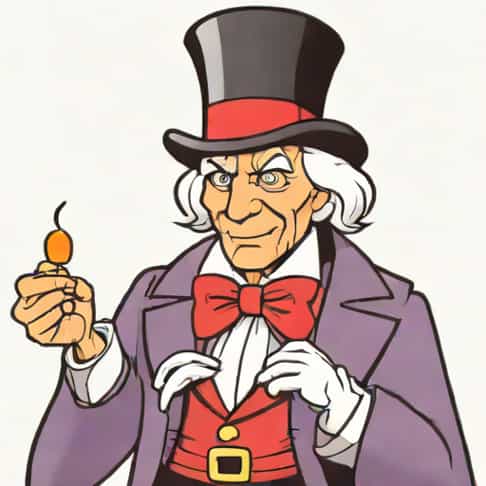
Ebenezer Scrooge, the central character in Charles Dickens’ A Christmas Carol, is widely recognized as a symbol of misanthropy and greed. From the opening pages of the novella, Dickens presents Scrooge as a man who detests humanity, avoids social interaction, and values wealth above all else. His cold-hearted nature and disdain for others are not merely personal quirks but are emblematic of the broader social commentary Dickens makes about Victorian society and the moral consequences of selfishness. Understanding how Scrooge is portrayed as misanthropic requires examining his language, behavior, interactions with other characters, and the ways in which the narrative frames his isolation and disdain.
Scrooge’s Language and Attitude
One of the most immediate ways Dickens presents Scrooge as misanthropic is through his language. From the very first chapter, Scrooge uses harsh, dismissive words that demonstrate his contempt for humanity. His famous phrase Bah! Humbug! encapsulates his cynical view of Christmas, joy, and communal celebration. This exclamation is not just a personal opinion but a verbal manifestation of his broader antipathy toward human connection and social rituals. Scrooge’s speech often lacks warmth or empathy, reflecting his detachment from human emotions and reinforcing his misanthropic persona.
Disdain for Human Interaction
Scrooge’s interactions with others further illustrate his misanthropy. He treats his clerk, Bob Cratchit, with cold indifference, focusing solely on work output rather than welfare or kindness. He dismisses charitable requests, famously questioning why he should help the poor when prisons and workhouses already exist. Scrooge’s behavior shows that he not only isolates himself socially but also actively rejects opportunities for compassionate engagement. Dickens emphasizes this behavior to highlight Scrooge’s lack of concern for the human condition and his prioritization of personal gain over empathy.
Scrooge’s Isolation
Isolation is a key feature of Scrooge’s misanthropy. He deliberately avoids social interaction, preferring solitude and the accumulation of wealth to human companionship. The narrative describes his home and office as cold, dark, and unwelcoming, reflecting his internal emotional state and alienation from society. Scrooge’s loneliness is both a symptom and a reinforcement of his misanthropic tendencies, showing how his rejection of others contributes to his spiritual and emotional stagnation. Dickens uses this physical and social isolation to create a vivid portrayal of a man estranged from humanity.
Visual and Symbolic Depictions
Dickens often uses imagery to underscore Scrooge’s misanthropy. Descriptions of his appearance, such as his sharp features and thin lips, mirror his emotional hardness and moral rigidity. The gloomy settings associated with Scrooge, including his office and home, symbolize his cold detachment from warmth, kindness, and human connection. These visual cues reinforce the idea that Scrooge’s misanthropy is both internal and external, affecting not only his behavior but also the world around him.
Attitudes Toward Society and Charity
Scrooge’s misanthropy extends beyond personal relationships to society at large. He resents communal celebrations, dismisses charitable appeals, and views social responsibilities as burdensome. For instance, when asked to donate to the poor, he questions the existence of workhouses and prisons as sufficient solutions, thereby refusing moral responsibility. This attitude demonstrates his lack of empathy and reinforces his image as a man who perceives the suffering of others with indifference or contempt. Dickens critiques not only Scrooge’s character but also societal indifference through this presentation, showing the broader implications of misanthropy.
Interactions with the Cratchit Family
The Cratchit family serves as a foil to Scrooge, highlighting his misanthropy by contrast. While they endure poverty and hardship, they maintain warmth, compassion, and community bonds. Scrooge’s disregard for their well-being, especially toward Bob Cratchit and his disabled son, Tiny Tim, illustrates the depth of his self-centered worldview. Dickens emphasizes that Scrooge’s misanthropy is not a passive trait but an active force that negatively impacts those around him, reinforcing the narrative’s moral lessons about generosity and human kindness.
Supernatural Confrontation and Reflection
The arrival of the three spirits in A Christmas Carol serves as a narrative mechanism to confront Scrooge with the consequences of his misanthropy. The Ghost of Christmas Past reveals formative experiences that shaped his disdain for others, including loneliness and missed opportunities for love and friendship. The Ghost of Christmas Present exposes the suffering he ignores in the wider community, emphasizing the human cost of his misanthropy. Finally, the Ghost of Christmas Yet to Come presents a bleak future in which his continued isolation leads to death and oblivion. These supernatural encounters are designed to force reflection, demonstrating that misanthropy, while self-protective, ultimately leads to moral and emotional emptiness.
Transformation as Narrative Resolution
Scrooge’s misanthropy is ultimately challenged by the narrative’s moral arc. The visits from the spirits reveal that his disdain for humanity isolates him and denies him emotional fulfillment. Dickens uses this transformation to illustrate the dangers of misanthropy and the potential for redemption through empathy, generosity, and social engagement. Scrooge’s eventual embrace of kindness and communal celebration contrasts sharply with his earlier misanthropic self, highlighting the narrative’s emphasis on moral and emotional growth.
Techniques Dickens Uses to Portray Misanthropy
- CharacterizationThrough Scrooge’s words, actions, and attitudes toward others, Dickens establishes him as a man who actively dislikes humanity.
- ContrastThe Cratchits and other positive characters serve as foils to Scrooge, emphasizing his emotional coldness and selfishness.
- ImageryDark, cold, and unwelcoming settings reflect Scrooge’s internal state and reinforce his detachment.
- DialoguePhrases like Bah! Humbug! and dismissive comments about charity highlight his cynical and contemptuous worldview.
- Supernatural EncountersThe ghosts provide a moral framework that confronts and critiques Scrooge’s misanthropy directly.
Ebenezer Scrooge is presented as misanthropic through his language, behavior, isolation, and attitudes toward society. Dickens carefully constructs a character whose disdain for humanity and preference for self-interest serve both narrative and moral purposes. The contrast with warm, empathetic characters like the Cratchits, the use of symbolic imagery, and the intervention of supernatural elements all reinforce Scrooge’s misanthropy while setting the stage for his eventual redemption. Through this portrayal, Dickens explores themes of selfishness, social responsibility, and the transformative power of empathy, demonstrating that misanthropy, though compellingly depicted, ultimately leads to personal and social desolation unless confronted and overcome.