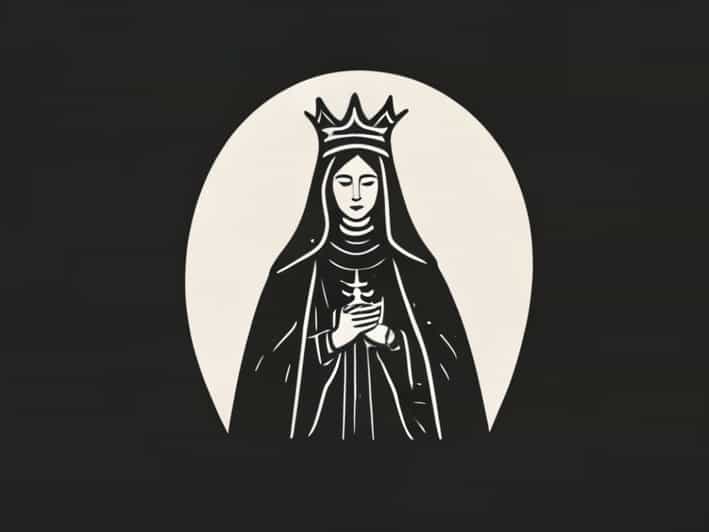
The Kingdom of Mary, the Patroness of Hungary, is a concept deeply rooted in Hungarian history, faith, and national identity. It reflects a unique relationship between a nation and the Virgin Mary that has lasted for more than a thousand years. For Hungarians, Mary is not only a religious figure but also a symbolic queen and protector of the land. This devotion blends spirituality, politics, and culture into a story that continues to shape Hungarian consciousness today.
Origins of the Kingdom of Mary in Hungary
The idea of Hungary as the Kingdom of Mary dates back to the reign of King Saint Stephen I in the early 11th century. As the first Christian king of Hungary, Stephen played a crucial role in establishing Christianity throughout the country. According to tradition, shortly before his death in 1038, King Stephen consecrated Hungary to the Virgin Mary.
This act was more than a personal prayer. By offering the crown and the nation to Mary, Stephen symbolically placed Hungary under her protection. From that moment onward, Mary was regarded not only as a heavenly intercessor but as the true queen of Hungary. The king ruled as her representative, reinforcing the idea of the Kingdom of Mary.
Mary as the Patroness of Hungary
Mary’s title as Patroness of Hungary reflects her special role in the spiritual life of the nation. Unlike other countries where Mary is honored primarily through devotion, Hungary developed a national identity around her protection. Churches, prayers, and traditions consistently refer to her as Magna Domina Hungarorum, meaning the Great Lady of the Hungarians.
This belief provided comfort during times of crisis. Hungarians turned to Mary for guidance and protection during wars, invasions, and political instability. Her role as patroness became a unifying symbol across social classes and regions.
Religious Meaning of Patronage
In Catholic theology, a patroness is someone who intercedes before God on behalf of a people. For Hungary, Mary’s patronage emphasized humility, faith, and trust in divine care. This spiritual bond strengthened the sense of national belonging rooted in shared belief.
The Holy Crown and Marian Symbolism
The Holy Crown of Hungary plays a central role in the concept of the Kingdom of Mary. The crown itself is seen not merely as a royal object but as a sacred symbol. Hungarian tradition holds that the crown belongs to Mary, not to any individual ruler.
This belief influenced Hungarian political thought for centuries. Kings were considered legitimate only when crowned with the Holy Crown, symbolizing their responsibility to govern according to Christian values under Mary’s authority.
- The crown represents divine legitimacy
- The ruler serves as Mary’s deputy
- The nation belongs spiritually to Mary
Historical Challenges and Marian Devotion
Hungary’s history is marked by repeated hardships, including the Ottoman occupation, internal conflicts, and foreign domination. During these periods, devotion to Mary intensified. Shrines, pilgrimages, and Marian feasts became sources of hope and resilience.
The belief in the Kingdom of Mary helped preserve Hungarian identity when political independence was threatened. Mary was seen as a constant protector even when earthly rulers failed.
Mary During the Ottoman Period
During the Ottoman occupation in the 16th and 17th centuries, many churches were destroyed or converted. Despite this, Marian devotion continued privately and publicly wherever possible. Mary symbolized the hope of liberation and the survival of Christian Hungary.
Art, Culture, and National Identity
The Kingdom of Mary deeply influenced Hungarian art and culture. Paintings, statues, hymns, and literature frequently depict Mary as a queen holding the Hungarian crown. These artistic expressions reinforced the idea of her guardianship over the nation.
Folk traditions also reflect Marian devotion. Many Hungarian villages celebrate Marian feast days with local customs that blend religious worship with cultural identity.
The Kingdom of Mary in Modern Hungary
Even in modern times, the concept of the Kingdom of Mary remains relevant. Although Hungary is now a secular state, Mary’s role as patroness continues to hold cultural and spiritual significance.
National celebrations, church events, and historical commemorations often reference the consecration of Hungary to Mary. This continuity shows how deeply embedded the idea is within the national memory.
Pope and Church Recognition
The Catholic Church officially recognizes Mary as the Patroness of Hungary. Several popes have acknowledged this devotion, reinforcing its legitimacy within global Catholic tradition. This recognition connects Hungary’s national faith to the wider Church.
Spiritual Meaning of the Kingdom of Mary
Beyond politics and history, the Kingdom of Mary represents a spiritual ideal. It emphasizes humility, service, and trust in God. By placing the nation under Mary’s care, Hungarians expressed a desire to live according to Christian principles.
This spiritual meaning continues to inspire individuals seeking guidance in personal and communal life. Mary is seen not as a distant figure but as a compassionate mother who understands human struggles.
Why the Kingdom of Mary Still Matters
The Kingdom of Mary, the Patroness of Hungary, matters because it connects faith with identity. It reminds Hungarians of their historical roots and shared values. In a changing world, this tradition offers continuity and meaning.
For believers, Mary’s patronage is a source of spiritual strength. For historians and cultural observers, it is a unique example of how religion can shape national consciousness over centuries.
A Living Tradition
The story of the Kingdom of Mary is not confined to the past. It lives on in prayers, pilgrimages, and cultural memory. Churches dedicated to Mary continue to attract worshippers, and her image remains a symbol of hope and protection.
the Kingdom of Mary, the Patroness of Hungary, is a powerful blend of faith, history, and identity. It reflects a nation’s trust in divine guidance and a spiritual bond that has endured through triumphs and trials. This enduring devotion continues to define Hungary’s unique place in both religious and cultural history.