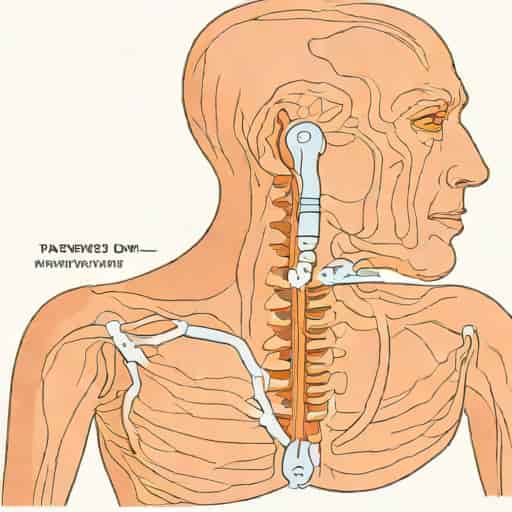
The human endocrine system is a complex network of glands that secrete hormones to regulate various bodily functions. Among these, the thyroid and parathyroid glands are often confused due to their proximity in the neck, but they have distinct structures, functions, and roles in maintaining overall health. Understanding the difference between the thyroid and parathyroid glands is essential for recognizing how the body regulates metabolism, calcium levels, and other vital processes. This knowledge can help in identifying symptoms of disorders, seeking appropriate medical care, and maintaining overall wellness.
Overview of the Thyroid Gland
The thyroid gland is a butterfly-shaped gland located in the front of the neck, just below the Adam’s apple. It is one of the largest endocrine glands in the body and plays a crucial role in regulating metabolism, growth, and development. The thyroid produces hormones such as thyroxine (T4) and triiodothyronine (T3), which influence the speed at which cells use energy, affect heart rate, and control body temperature. It also produces calcitonin, which helps regulate calcium levels, although this is a minor function compared to the parathyroid gland.
Functions of the Thyroid Gland
- Regulates metabolism by controlling the rate of energy use in the body.
- Supports growth and development, particularly in children.
- Influences heart rate, digestion, and body temperature.
- Produces calcitonin, which assists in calcium balance, though this is secondary to parathyroid function.
- Plays a role in brain development and maintaining bone health.
Common Thyroid Disorders
- HypothyroidismUnderactive thyroid producing insufficient hormones, leading to fatigue, weight gain, and cold intolerance.
- HyperthyroidismOveractive thyroid producing excess hormones, causing weight loss, rapid heart rate, and anxiety.
- GoiterEnlargement of the thyroid, sometimes due to iodine deficiency.
- Thyroid nodulesLumps within the thyroid that may be benign or malignant.
- Thyroid cancerRare but potentially serious malignancy of thyroid cells.
Overview of the Parathyroid Glands
The parathyroid glands are small, pea-sized glands typically located on the back of the thyroid gland. Most people have four parathyroid glands, although the number can vary. Despite their proximity to the thyroid, the parathyroids are functionally independent and play a vital role in regulating calcium and phosphate levels in the blood and bones. The primary hormone produced by the parathyroid glands is parathyroid hormone (PTH), which helps maintain stable calcium levels, essential for proper nerve function, muscle contraction, and bone health.
Functions of the Parathyroid Glands
- Regulate blood calcium levels by stimulating calcium release from bones.
- Increase calcium absorption in the intestines through activation of vitamin D.
- Reduce calcium excretion by the kidneys to maintain balance.
- Support proper functioning of nerves and muscles by ensuring adequate calcium availability.
- Help maintain phosphate balance in the body in coordination with calcium regulation.
Common Parathyroid Disorders
- HyperparathyroidismOveractive parathyroid glands producing excessive PTH, leading to high blood calcium, kidney stones, bone pain, and fatigue.
- HypoparathyroidismUnderactive parathyroid glands producing insufficient PTH, causing low blood calcium, muscle cramps, tingling, and seizures.
- Parathyroid tumorsUsually benign, but can cause hyperparathyroidism.
- Post-surgical complicationsParathyroid damage during thyroid surgery can result in temporary or permanent hypoparathyroidism.
Key Differences Between Thyroid and Parathyroid Glands
Despite their close location in the neck, the thyroid and parathyroid glands differ in structure, function, and hormonal output. Recognizing these differences is essential for understanding their roles in health and disease.
- LocationThe thyroid is located at the front of the neck, forming a butterfly shape. Parathyroids are usually four small glands situated on the posterior surface of the thyroid.
- Size and NumberThyroid is large and singular, while parathyroids are tiny and typically four in number.
- Hormones ProducedThyroid produces T3, T4, and calcitonin. Parathyroids produce parathyroid hormone (PTH) only.
- Main FunctionsThyroid regulates metabolism, growth, and development. Parathyroids regulate calcium and phosphate balance.
- Clinical DisordersThyroid disorders include hypothyroidism, hyperthyroidism, goiter, and cancer. Parathyroid disorders include hyperparathyroidism and hypoparathyroidism.
- Role in Calcium RegulationThyroid has a minor role through calcitonin. Parathyroid is the primary regulator via PTH.
Interrelationship Between Thyroid and Parathyroid Glands
Although the thyroid and parathyroid glands serve different primary functions, they are interconnected in maintaining overall body homeostasis. Calcitonin from the thyroid lowers blood calcium, while parathyroid hormone increases it. This balance ensures that calcium levels remain within a narrow, healthy range. Any surgical procedure involving the thyroid must be carefully performed to avoid damaging the parathyroid glands, which can lead to serious calcium imbalances and related health issues.
Importance of Understanding the Difference
Understanding the difference between the thyroid and parathyroid glands is important for recognizing symptoms of gland-related disorders and seeking appropriate medical care. Symptoms of thyroid problems often include changes in metabolism, weight fluctuations, and energy levels, while parathyroid issues usually manifest through calcium imbalances, leading to muscle cramps, bone pain, and kidney stones. Accurate diagnosis often involves blood tests for hormone levels, imaging studies, and sometimes biopsies to distinguish between thyroid and parathyroid conditions.
The thyroid and parathyroid glands, although located near each other in the neck, have distinct roles essential for maintaining health. The thyroid primarily regulates metabolism, growth, and development, while the parathyroid glands focus on calcium and phosphate balance. Disorders of either gland can have significant effects on overall well-being, highlighting the importance of understanding their differences. Proper knowledge of these glands allows for better awareness of symptoms, timely medical intervention, and effective management of related health conditions. Maintaining thyroid and parathyroid health through regular checkups, balanced nutrition, and awareness of hormonal changes is essential for overall bodily function and long-term wellness.