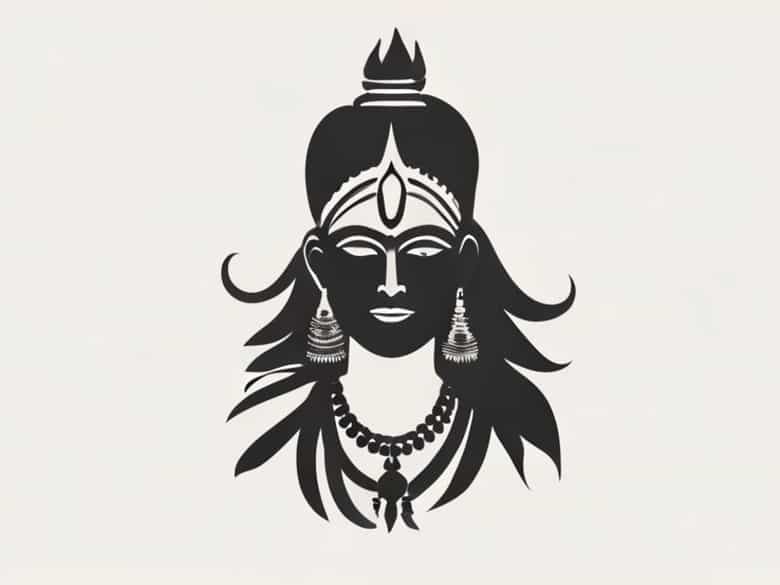
Hinduism, one of the oldest religions in the world, is rich with diverse deities, philosophies, and traditions that guide the spiritual lives of millions of people. Among the many divine figures, one stands out as the preserver and protector of the universe. This deity is central to Hindu cosmology and is revered for maintaining order, balance, and righteousness. Understanding the preserver and protector in Hinduism offers insight into the religion’s approach to duty, morality, and the interconnectedness of all life. The stories, symbols, and teachings associated with this deity highlight not only religious devotion but also profound philosophical principles.
Introduction to the Preserver and Protector
In Hinduism, the preserver and protector is commonly identified as Lord Vishnu. Vishnu is one of the principal deities in the Hindu pantheon and is part of the Trimurti, which also includes Brahma the creator and Shiva the destroyer. While Brahma is responsible for creation and Shiva for destruction or transformation, Vishnu’s role is to preserve the universe and ensure its stability. This preservation extends to upholding dharma, the cosmic law and moral order, which is essential for harmony in both the human and divine realms.
Significance of Vishnu
Vishnu is revered as a compassionate and benevolent deity, often invoked for protection, guidance, and support in times of trouble. The role of Vishnu as preserver signifies the importance of sustaining life, maintaining ethical order, and supporting spiritual growth. Through his actions, devotees learn the value of duty, selflessness, and moral responsibility. Vishnu’s preservation is not passive; it often involves active intervention in the form of avatars, incarnations, or divine guidance to restore balance when the world faces chaos or adharma, or moral corruption.
Iconography and Symbolism
The imagery of Vishnu is rich with symbolism, each element conveying aspects of his role as preserver and protector. Vishnu is often depicted with a dark or blue complexion, symbolizing infinity and the immeasurable nature of his presence. He typically has four arms, each holding objects that represent his divine powers and duties
- Conch (Shankha)Symbolizes the primordial sound of creation and the call to righteousness.
- Discus (Chakra)Represents the mind and the power to destroy evil and protect dharma.
- Mace (Gada)Signifies strength, authority, and the capacity to protect and uphold justice.
- Lotus (Padma)Stands for purity, spiritual awakening, and the unfolding of life and consciousness.
Vishnu is often depicted resting on the cosmic serpent, Shesha, floating above the cosmic ocean. This imagery emphasizes his eternal and omnipresent nature as the preserver of all creation. The serene and composed expression of Vishnu in these depictions reflects his role as a protector who maintains cosmic harmony.
Avatars of Vishnu
One of the most significant aspects of Vishnu’s role as preserver and protector is his incarnations, known as avatars. These avatars appear on Earth whenever dharma is threatened, restoring order and defeating forces of evil. The concept of avatars demonstrates the dynamic nature of preservation in Hinduism-it is not just maintenance but active intervention to ensure moral and cosmic balance.
Major Avatars
Vishnu has ten primary avatars, collectively known as the Dashavatara. Some of the most well-known include
- RamaThe hero of the Ramayana, symbolizing righteousness, duty, and the triumph of good over evil.
- KrishnaCentral to the Mahabharata, and the speaker of the Bhagavad Gita, representing divine love, guidance, and protection of devotees.
- NarasimhaThe half-man, half-lion form that protects devotees from tyranny and injustice, emphasizing divine intervention in extreme circumstances.
- VamanaThe dwarf avatar who restored cosmic order by subduing a powerful king, symbolizing wisdom and strategic preservation.
Each avatar carries a unique message and fulfills a specific purpose, reinforcing Vishnu’s role as the preserver and protector of both the universe and dharma.
Vishnu’s Role in Hindu Philosophy
Beyond his mythological and devotional significance, Vishnu embodies key philosophical principles in Hinduism. The concept of preservation highlights the importance of maintaining balance in all aspects of life. This includes personal conduct, social responsibilities, and adherence to ethical principles. Devotees are encouraged to emulate the values represented by Vishnu, such as compassion, righteousness, and devotion to duty.
Dharma and Preservation
Dharma is a central concept in Hinduism, referring to law, morality, and duty. Vishnu’s role as preserver is intrinsically linked to dharma, as he ensures that ethical and moral principles are upheld in the world. By protecting dharma, Vishnu not only safeguards the universe but also provides a moral framework for human life, guiding individuals toward righteous living and spiritual growth.
Devotional Practices and Worship
Vishnu is widely worshipped across India and other countries with Hindu populations. Devotional practices include prayers, rituals, festivals, and temple worship. Recitation of sacred texts such as the Vishnu Sahasranama, a thousand names of Vishnu, and participation in festivals like Janmashtami (Krishna’s birth) and Rama Navami (Rama’s birth) help devotees connect with the preserver and protector, seeking guidance, protection, and blessings.
Temples and Sacred Sites
Many temples are dedicated to Vishnu and his avatars, including iconic sites such as
- Vishnu temples in Tirupati and Srirangam
- Rama temples in Ayodhya
- Krishna temples in Vrindavan and Dwarka
These sacred sites serve as centers for worship, community gatherings, and cultural preservation, reinforcing Vishnu’s role in protecting spiritual and social harmony.
Symbolic Lessons for Devotees
The preserver and protector in Hinduism teaches valuable lessons beyond religious devotion. Vishnu’s stories and symbolism emphasize the importance of courage, moral integrity, selflessness, and the duty to protect and nurture life. Devotees are inspired to uphold dharma in their personal lives, contributing to harmony within families, communities, and society at large. The philosophical teachings associated with Vishnu encourage reflection on ethical behavior, spiritual growth, and the interconnectedness of all existence.
The preserver and protector in Hinduism, primarily represented by Lord Vishnu, occupies a central role in maintaining cosmic and moral balance. Through his depictions, avatars, and teachings, Vishnu embodies the principles of protection, preservation, and righteousness. His influence extends from mythological narratives to philosophical guidance and devotional practices, providing a framework for understanding duty, dharma, and ethical living. By exploring the significance of Vishnu, devotees and scholars alike gain insight into the timeless values of compassion, justice, and harmony that continue to shape Hindu thought and culture today. As a preserver and protector, Vishnu’s presence reminds humanity of the importance of sustaining life, nurturing morality, and safeguarding the universe for future generations.