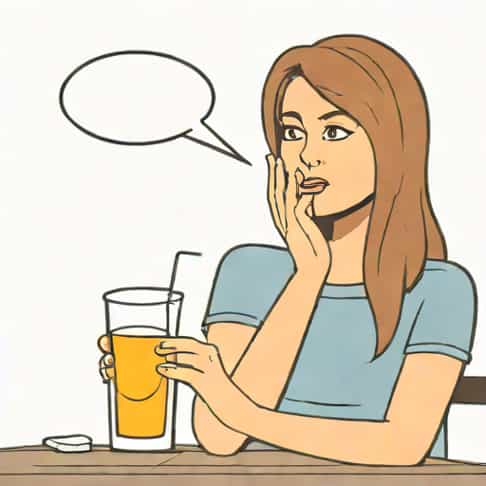
Dealing with a girlfriend who says hurtful things when drunk can be emotionally challenging and confusing. Alcohol can lower inhibitions and amplify emotions, leading people to express feelings they might otherwise suppress. When hurtful words are directed at you during these moments, it can leave lasting emotional impact, create tension in the relationship, and make you question boundaries and communication patterns. Understanding why this happens, how to respond in the moment, and strategies for addressing it afterward are essential for maintaining a healthy and respectful relationship.
Understanding Why Hurtful Things Are Said
Alcohol affects the brain in multiple ways, including impairing judgment, reducing self-control, and increasing emotional intensity. When a girlfriend says hurtful things while drunk, it may not reflect her true feelings but rather the influence of alcohol on her ability to communicate thoughtfully. Understanding this distinction is crucial for maintaining perspective and preventing unnecessary escalation.
Lowered Inhibitions
Alcohol lowers inhibitions, which can lead individuals to speak without filtering their thoughts. Comments that are unkind, critical, or even offensive may surface in moments when they are intoxicated, revealing underlying frustrations or insecurities that they struggle to express when sober.
Emotional Amplification
Being drunk can amplify emotions such as sadness, anger, or jealousy. This heightened emotional state can cause exaggerated or impulsive statements that may be hurtful. Recognizing that the intensity of these words is often magnified by alcohol can help contextualize the situation without diminishing your feelings.
Stress and External Factors
External stressors such as work pressure, personal issues, or relationship tensions may also contribute to hurtful remarks when drunk. Alcohol can act as a catalyst, triggering outbursts that combine these stressors with lowered self-control, leading to comments that might not otherwise occur.
Immediate Responses When Hurtful Things Are Said
How you respond in the moment can influence the outcome and prevent further emotional harm. It’s important to prioritize your emotional well-being while managing the situation calmly.
Stay Calm
Reacting impulsively with anger or defensiveness can escalate the situation. Remaining calm, taking deep breaths, and avoiding confrontation in the heat of the moment can prevent additional conflict. Sometimes, the best approach is to give space and allow emotions to settle.
Set Boundaries
Even though alcohol may influence behavior, setting boundaries is essential. Calmly communicate that hurtful words are unacceptable and that you expect respect, regardless of intoxication. For example
- I understand you’ve been drinking, but it’s not okay to speak to me this way.
- Let’s take a break and discuss this when you’re sober.
Remove Yourself If Needed
If the situation becomes too emotionally charged or unsafe, it may be best to temporarily remove yourself. Walking away or finding a quiet space allows both parties to calm down and prevents escalation.
Addressing the Issue Later
Once both partners are sober, addressing the behavior thoughtfully is crucial. This discussion should focus on the impact of the hurtful words and strategies to prevent repetition.
Choose the Right Time
Timing is important when discussing sensitive issues. Avoid bringing it up immediately after an incident if emotions are still high. Choose a calm, private moment to have a constructive conversation.
Communicate Your Feelings
Use I statements to express your emotions without blaming. This approach encourages dialogue rather than defensiveness. For example
- I felt hurt when you said those things last night, and I want us to understand why it happened.
- I care about our relationship, but the words you said were painful, and I’d like to find a solution.
Explore Underlying Issues
Hurtful comments may indicate underlying relationship or personal issues. Discussing these in a sober, respectful manner can help identify stressors or emotions that need attention. Encouraging openness and honesty fosters understanding and emotional growth.
Preventing Future Incidents
While alcohol can influence behavior, proactive measures can reduce the likelihood of repeated hurtful remarks. Establishing guidelines and practicing healthy communication are essential.
Limit Alcohol Consumption
Reducing or moderating alcohol intake can prevent situations where hurtful things are said. Setting boundaries around drinking or choosing social settings thoughtfully can minimize conflict and protect emotional well-being.
Create Safe Communication Practices
Develop strategies for addressing concerns before alcohol is involved. Regular check-ins, open dialogue about feelings, and clear expectations for respect during disagreements can prevent escalation when drinking occurs.
Seek Professional Support
If hurtful behavior persists or escalates, couples counseling or individual therapy can be beneficial. A professional can help both partners understand triggers, manage emotions, and develop healthier communication patterns.
Emotional Self-Care
Experiencing hurtful comments, even in the context of intoxication, can affect self-esteem and emotional health. Prioritizing self-care is important to maintain resilience and emotional balance.
Reflect on Your Feelings
Allow yourself to acknowledge and process the hurt. Journaling, talking to trusted friends, or engaging in mindful reflection can help clarify your emotions and prevent lingering resentment.
Practice Boundaries
Reinforce personal boundaries by being clear about what behavior is acceptable. Protecting yourself emotionally ensures that temporary outbursts do not become ongoing sources of stress or tension.
Focus on Healthy Coping Mechanisms
Engage in activities that reduce stress and support emotional well-being. Exercise, hobbies, meditation, or quality time with supportive friends can help restore balance and reduce the emotional impact of hurtful remarks.
When a girlfriend says hurtful things while drunk, it can create confusion, emotional pain, and tension in the relationship. Understanding the role of alcohol in lowering inhibitions and amplifying emotions helps contextualize the behavior without dismissing its impact. Immediate responses, such as staying calm, setting boundaries, and temporarily removing yourself from the situation, are essential to maintain emotional safety. Addressing the issue sober, using open communication and empathy, can help resolve underlying problems and foster a healthier relationship. Preventative strategies, including moderating alcohol consumption, establishing communication practices, and seeking professional guidance if necessary, support long-term relational stability. Prioritizing emotional self-care ensures resilience and clarity, allowing both partners to navigate challenges and strengthen their bond even after difficult moments.