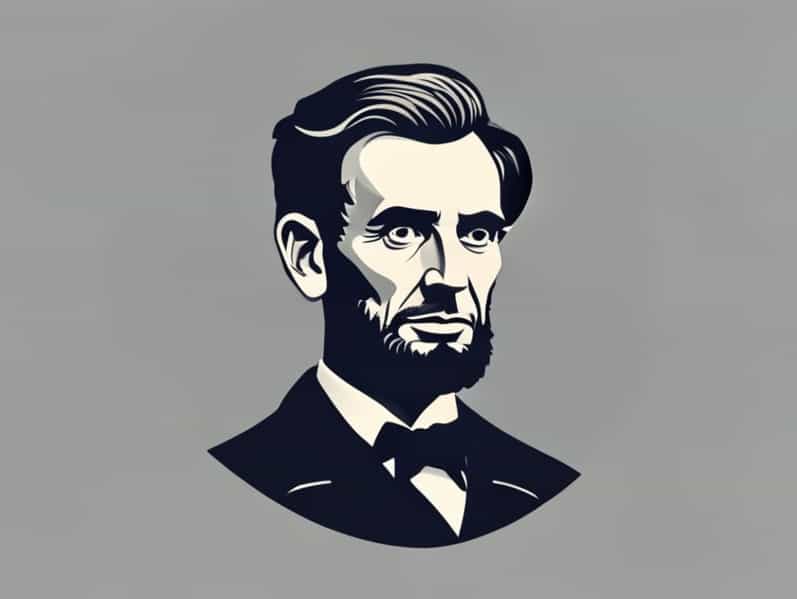
Abraham Lincoln, the 16th President of the United States, delivered speeches that have left a lasting impact on history, politics, and social consciousness. His addresses are widely studied for their clarity, moral vision, and ability to inspire unity and purpose. Understanding what Lincoln’s speech correlates with requires examining the historical context, the themes he emphasized, and the influence of his words on democracy, human rights, and national identity. One of the most famous examples, the Gettysburg Address, correlates with ideals of freedom, equality, and the perseverance of democratic principles, highlighting how his speeches continue to resonate across generations.
Historical Context of Lincoln’s Speeches
Lincoln delivered many speeches during a turbulent period in American history, including the Civil War. These speeches were often responses to crises, events, or social issues that threatened the unity and moral direction of the nation. Understanding the correlation of Lincoln’s speeches requires situating them in the historical and social context of the 1860s, when the country faced division over slavery, states’ rights, and national identity.
Key Speeches and Their Context
- Gettysburg Address (1863)Delivered during the dedication of the Soldiers’ National Cemetery, this speech sought to honor fallen soldiers and redefine the purpose of the Civil War in terms of liberty and equality.
- Second Inaugural Address (1865)Focused on reconciliation and healing after years of conflict, emphasizing forgiveness, unity, and moral responsibility.
- Emancipation Proclamation SpeechAlthough technically an executive order, Lincoln’s statements regarding emancipation were communicated with careful rhetorical skill, correlating with justice and human freedom.
Correlation with Principles of Democracy
One of the strongest correlations in Lincoln’s speeches is with the principles of democracy. In the Gettysburg Address, he famously referred to government of the people, by the people, for the people, highlighting his commitment to democratic governance. Lincoln’s speeches correlate with the idea that democracy requires collective responsibility, civic engagement, and respect for equality. He often used his speeches to reinforce the notion that a government must reflect the values and will of its citizens while upholding moral justice.
Lincoln’s Emphasis on National Unity
Lincoln’s speeches correlate strongly with the theme of national unity. During the Civil War, the United States was deeply divided, and Lincoln sought to remind citizens that the nation’s survival depended on shared principles. His rhetoric emphasized that despite differences, Americans were bound by common values such as freedom, equality, and the pursuit of justice. Speeches like the Second Inaugural Address aimed to encourage reconciliation and prevent lasting bitterness among citizens.
Correlation with Human Rights and Equality
Lincoln’s speeches also correlate with human rights, particularly the abolition of slavery and the promotion of equality. His words were carefully crafted to emphasize the moral and ethical dimensions of the struggle against slavery. The Gettysburg Address and other speeches not only honored the sacrifices of soldiers but also highlighted the larger cause of liberty and human dignity. Lincoln’s rhetoric connects directly with the idea that a nation’s legitimacy is measured by its commitment to justice and equal treatment for all people.
Use of Moral and Ethical Appeals
Lincoln frequently used moral and ethical appeals in his speeches to correlate with the higher purpose of human freedom. By framing the Civil War as not merely a political or military struggle, but a moral imperative to preserve democracy and human rights, he reinforced the ethical foundation of his leadership. This connection between speech and moral purpose is a key reason Lincoln’s words remain influential and studied in modern times.
Correlation with Leadership and Civic Responsibility
Lincoln’s speeches correlate with the qualities of leadership and the responsibilities of citizenship. He frequently emphasized that preserving the nation required active participation, ethical behavior, and sacrifice. By addressing both soldiers and civilians, Lincoln encouraged individuals to see themselves as integral to the democratic process and to the broader struggle for justice and equality.
Examples of Leadership Lessons in Speeches
- Encouraging courage and dedication among soldiers during the Civil War.
- Promoting forgiveness and unity among citizens in the aftermath of conflict.
- Emphasizing the importance of moral decision-making in public service and personal conduct.
Correlation with Historical Legacy and Inspiration
Lincoln’s speeches correlate with enduring inspiration and historical legacy. They are often cited as exemplars of concise, powerful, and morally grounded rhetoric. Beyond their immediate context, Lincoln’s words have inspired subsequent generations to uphold democratic values, pursue social justice, and approach leadership with humility and moral clarity. The Gettysburg Address, in particular, continues to serve as a model for speeches that aim to unify and motivate people toward collective purpose.
Modern Relevance
Today, Lincoln’s speeches correlate with ongoing discussions about equality, civic responsibility, and national identity. Political leaders, educators, and activists frequently reference his words to remind citizens of the principles underlying democracy and human rights. The enduring relevance demonstrates that the core messages of his speeches transcend historical events and remain applicable to contemporary social and political challenges.
Correlation with Rhetorical Excellence
Another significant correlation of Lincoln’s speeches is with rhetorical excellence. Lincoln’s ability to convey profound ideas in a few, carefully chosen words demonstrates the power of clarity, precision, and emotional appeal. His speeches correlate with the principles of effective communication, combining brevity, moral conviction, and inspiration. This skill not only reinforced his leadership but also ensured that his messages would be remembered and studied for generations.
Techniques Used in Lincoln’s Speeches
- Conciseness Delivering deep messages with few words, as in the Gettysburg Address.
- Repetition and Parallelism Using repeated phrases for emphasis and rhythm.
- Appeals to Shared Values Connecting with audiences through common beliefs and principles.
- Emotional Engagement Evoking empathy, pride, and moral responsibility.
Lincoln’s speeches correlate with multiple enduring principles, including democracy, human rights, national unity, moral responsibility, and effective leadership. They also serve as examples of rhetorical excellence, demonstrating how careful word choice and ethical persuasion can inspire generations. By connecting deeply with moral and civic values, Lincoln’s speeches transcend their immediate historical context and continue to influence public discourse, education, and leadership practices. Understanding the correlations in Lincoln’s speeches allows us to appreciate the ways in which words can shape history, foster unity, and guide societies toward justice, equality, and enduring democratic principles.