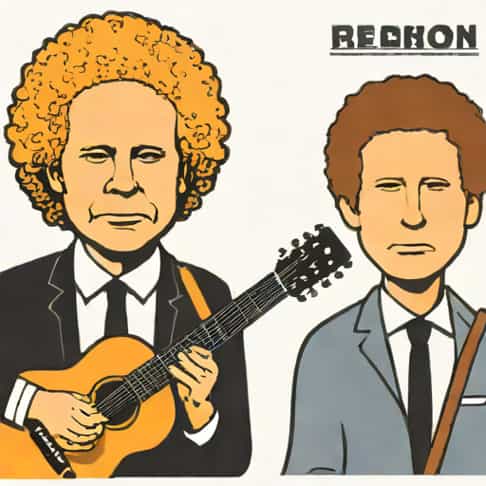
Few songs from the late 1960s have generated as much curiosity and discussion as Mrs. Robinson by Simon and Garfunkel. On the surface, it sounds upbeat and playful, but beneath the catchy melody lies a layered reflection on American culture, generational tension, and quiet disillusionment. Many listeners first encounter the song through its association with a famous film, yet the meaning of Mrs. Robinson extends far beyond cinema. Its lyrics, tone, and cultural references invite interpretation and continue to resonate decades after its release.
The Cultural Moment Behind the Song
To understand the meaning of Mrs. Robinson by Simon and Garfunkel, it helps to look at the time in which it was written. The late 1960s were marked by social change, political unrest, and a growing gap between generations. Traditional values were being questioned, and younger people were increasingly skeptical of authority and established institutions.
Simon and Garfunkel were known for capturing the mood of this era. Their music often reflected uncertainty, alienation, and quiet criticism of society. Mrs. Robinson fits naturally into this pattern, presenting a polished surface that masks deeper unease.
The Origin of Mrs. Robinson as a Character
The character of Mrs. Robinson originally appeared in a film that explored forbidden relationships and emotional emptiness in suburban America. However, the song version of Mrs. Robinson evolved into something broader and more symbolic.
From Individual to Symbol
Rather than focusing on a single woman, Mrs. Robinson becomes a representation of a certain social class and mindset. She embodies comfort, privilege, and moral ambiguity, reflecting a generation that appears secure on the outside but disconnected on the inside.
This transformation allows the song to speak not just about one person, but about a wider cultural experience.
The Meaning of Mrs. Robinson
The meaning of Mrs. Robinson is often interpreted as a critique of American ideals. The song contrasts nostalgia with disappointment, suggesting that the values people were taught to admire may no longer hold true.
Disillusionment with Role Models
Throughout the song, there is a subtle questioning of who deserves admiration. The reference to public figures and heroes hints at a loss of faith in leadership and morality. This theme reflects the growing skepticism of the era, especially among younger generations.
- Loss of trust in authority figures
- Questioning traditional success and respectability
- Emotional emptiness behind social status
Irony and Contrast in the Lyrics
One of the most striking aspects of Mrs. Robinson by Simon and Garfunkel is the contrast between its cheerful sound and its serious undertones. The upbeat rhythm can easily distract listeners from the underlying message.
A Happy Tune with a Serious Message
This contrast is intentional. By pairing light music with reflective lyrics, the song mirrors the way society often masks discomfort with politeness and routine. The listener is invited to look beyond appearances and question what lies underneath.
This technique is a key reason why the song remains so effective and memorable.
The Role of Nostalgia
Nostalgia plays a powerful role in shaping the meaning of Mrs. Robinson. The song references the past in a way that feels both affectionate and critical. It acknowledges the comfort of familiar ideals while also pointing out their limitations.
Remembering Without Idealizing
Rather than celebrating the past unconditionally, the song asks whether nostalgia has blinded people to uncomfortable truths. This balanced approach makes the message more nuanced and relatable.
- Longing for simpler times
- Awareness of unresolved issues
- Tension between memory and reality
Generational Conflict and Identity
The song also touches on generational conflict, a major theme of the 1960s. Younger listeners often heard their own doubts reflected in the lyrics, while older audiences may have felt quietly challenged.
Between Tradition and Change
Mrs. Robinson represents stability and tradition, while the narrator’s perspective suggests restlessness and uncertainty. This dynamic reflects the broader struggle between preserving established norms and embracing change.
The song does not offer clear answers, which adds to its lasting appeal.
Why the Song Still Resonates Today
Decades after its release, the meaning of Mrs. Robinson continues to feel relevant. Modern audiences still grapple with disillusionment, shifting values, and the gap between appearance and reality.
A Timeless Social Commentary
While the cultural references belong to a specific era, the emotions behind them are universal. Feelings of disappointment, confusion, and quiet rebellion remain part of the human experience.
- Continued questioning of public figures
- Ongoing generational misunderstandings
- The search for authenticity
Interpretation Without a Single Answer
One reason Mrs. Robinson by Simon and Garfunkel endures is its openness to interpretation. The song does not explain itself fully, allowing listeners to bring their own experiences and perspectives.
This ambiguity encourages discussion and personal reflection, making the song feel fresh even after repeated listens.
The Artistic Approach of Simon and Garfunkel
Paul Simon’s songwriting often blends personal observation with social commentary, and Mrs. Robinson is a strong example of this style. The lyrics are specific enough to feel grounded, yet broad enough to invite multiple meanings.
Subtlety Over Direct Criticism
Rather than openly attacking societal norms, the song uses suggestion and irony. This subtle approach allows the message to resonate without feeling preachy or aggressive.
It is this balance that helped the song reach a wide audience.
The meaning of Mrs. Robinson by Simon and Garfunkel goes far beyond its catchy melody and cultural fame. At its core, the song reflects disillusionment, generational tension, and a quiet questioning of values that once seemed unquestionable. By blending irony, nostalgia, and social observation, the song captures a moment in history while remaining relevant today. Its enduring appeal lies in its ability to invite listeners to look beneath the surface and consider what lies behind comfort, tradition, and familiar faces.