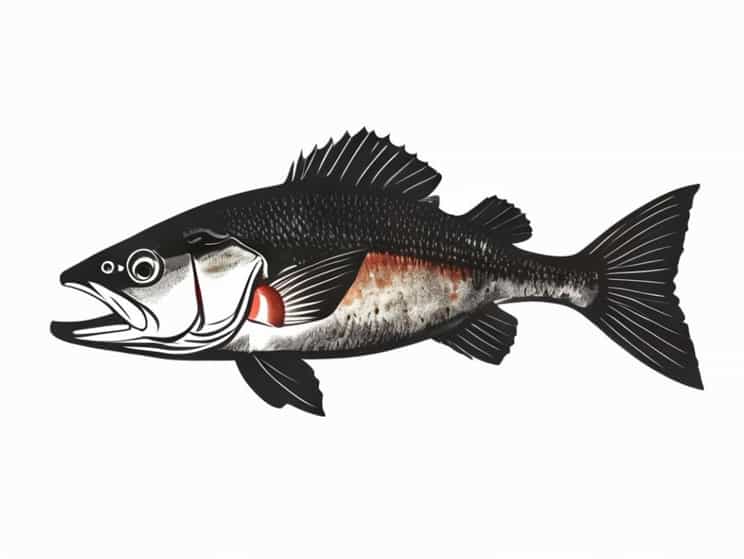
Crappie fishing is a popular pastime in North America, attracting anglers who enjoy both the challenge and the thrill of catching these elusive freshwater fish. Known for their distinctive patterns and delicious taste, crappies are sought after in lakes, rivers, and reservoirs across the United States. Among the many exciting stories in the world of fishing, the record for the biggest crappie ever caught stands out as a remarkable achievement. Understanding the details behind this record involves exploring the species, their habitats, fishing techniques, and the circumstances under which such a large crappie was landed.
About Crappie
Crappie are freshwater fish that belong to the sunfish family, Centrarchidae. They are primarily found in North America and are known for their laterally compressed bodies and distinctive markings. There are two main species of crappie black crappie (Pomoxis nigromaculatus) and white crappie (Pomoxis annularis). Both species are popular among anglers for sport fishing due to their abundance, willingness to bite, and excellent taste.
Physical Characteristics
Black crappie typically have seven or eight dorsal spines, with irregular black spots across their silvery bodies. White crappie, in contrast, generally have five or six dorsal spines and a pattern of vertical bars. Crappies are generally smaller fish, with most caught ranging from 1 to 2 pounds. However, under optimal conditions, crappie can grow significantly larger, creating the possibility for record-breaking catches.
The Record-Breaking Crappie
The largest crappie ever caught is a subject of fascination and admiration among fishing enthusiasts. According to official records, the world record crappie was caught by a skilled angler who managed to land an extraordinary specimen. This record-sized crappie measured over 19 inches in length and weighed more than 5 pounds, which is exceptionally large for this species.
Location of the Catch
The record crappie was caught in a freshwater lake known for producing large fish. Many of the biggest crappie come from lakes and reservoirs with abundant forage, ideal temperatures, and protected environments that allow the fish to grow without excessive competition. States like Mississippi, Alabama, and Texas are often cited as prime locations for trophy crappie due to favorable conditions and thriving populations.
Techniques Used to Catch Large Crappie
Landing a crappie of record size requires skill, patience, and the right equipment. Experienced anglers employ various techniques to target trophy crappie
- Vertical JiggingDropping a small jig or minnow directly below the boat in deep water to entice crappie to bite.
- Slip Bobber FishingUsing a bobber that slides along the line to keep bait at a specific depth, which is effective for suspended crappie.
- Spider RiggingUsing multiple rods spread across the water while trolling slowly to cover a large area and locate schools of crappie.
- Live Bait FishingUsing minnows or small shad to attract larger crappie, which are more likely to strike live prey.
Factors Contributing to Large Crappie
Several environmental and biological factors contribute to the growth of large crappie. Understanding these factors helps anglers increase their chances of catching bigger fish.
Availability of Food
Crappie are predatory fish that feed on small fish, insects, and crustaceans. Lakes with an abundant forage base provide ideal conditions for growth, allowing crappie to reach sizes larger than average.
Habitat and Cover
Crappie often thrive around submerged structures, brush piles, and weed beds. These environments offer protection from predators and ample hunting grounds, which can result in larger, healthier fish.
Water Conditions
Temperature, oxygen levels, and clarity affect crappie growth. Warmer water with sufficient oxygen promotes active feeding, while clear water can encourage crappie to grow larger due to improved hunting efficiency.
Significance of the Record
The record for the biggest crappie ever caught is not just a numerical achievement; it is a testament to skillful angling and the natural potential of the species. Trophy crappie catches inspire anglers to explore lakes, study fish behavior, and refine their fishing techniques. The record also serves as a benchmark for fisheries management, helping authorities understand growth rates, population health, and habitat conditions necessary for sustaining large crappie populations.
Impact on Fishing Communities
Records like the largest crappie ever caught boost local economies by attracting anglers to lakes and fishing tournaments. Communities near prime crappie fishing locations often benefit from tourism, boat rentals, and guide services, all fueled by interest in catching trophy-sized fish.
Encouraging Conservation
Awareness of record crappie also encourages conservation practices. Anglers are more likely to practice catch-and-release, maintain habitat integrity, and support sustainable fishing practices to ensure that future generations can enjoy large crappie as well.
Notable Contenders and Historical Records
Over the years, multiple anglers have reported catching large crappie, but only a few have been officially verified by authorities such as the International Game Fish Association (IGFA). Verified records include crappie exceeding 5 pounds, with lengths approaching 20 inches. Historical records show that crappie size can vary significantly depending on the region and environmental conditions, with southern states consistently producing larger specimens due to warmer waters and abundant forage.
Tips for Aspiring Trophy Anglers
- Research lakes known for producing big crappie and study seasonal patterns.
- Use high-quality equipment suitable for handling larger fish.
- Pay attention to water temperature and depth, adjusting bait presentation accordingly.
- Practice patience and observation, learning to locate schools of crappie efficiently.
- Follow ethical fishing practices to protect fish populations and maintain healthy ecosystems.
The biggest crappie ever caught represents the pinnacle of freshwater angling achievement. Measuring over 19 inches and weighing more than 5 pounds, this remarkable fish showcases the potential of the species when environmental conditions, skillful angling, and patience align. Beyond the thrill of the catch, such records highlight the importance of habitat preservation, sustainable fishing, and understanding the biology of crappie. For anglers, the pursuit of a trophy crappie is both a challenge and an adventure, connecting people to nature, improving skills, and fostering respect for the waterways that support these incredible fish. Whether for sport, conservation, or community engagement, the legacy of the largest crappie continues to inspire and captivate fishing enthusiasts across North America.