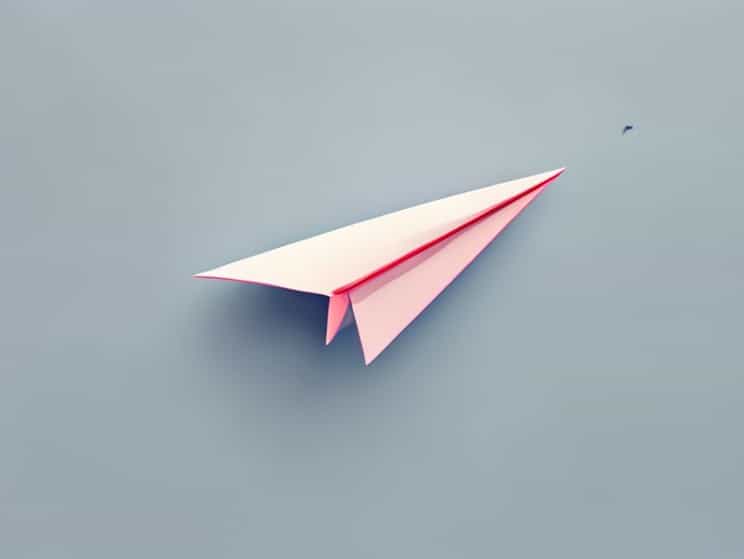
Paper airplanes are a timeless source of fascination for children and adults alike, combining simplicity with principles of aerodynamics. While making a paper airplane might seem straightforward, creating one that flies farther requires understanding several factors that affect its flight. From the type of paper used to the design, folds, weight distribution, and throwing technique, each element plays a crucial role in maximizing distance. Learning how to optimize these factors can turn a simple piece of paper into a high-flying model capable of impressive distances, while also providing insight into basic physics and engineering principles.
Choosing the Right Paper
The first step in creating a paper airplane that flies farther is selecting the appropriate paper. The type, weight, and size of the paper significantly influence flight performance. Thicker paper adds weight, which can help the plane glide farther if thrown correctly, but it may also be harder to fold accurately. Lighter paper is easier to manipulate but can be affected more by air resistance and instability.
Recommended Paper Types
- Standard printer paper (20 lb) Good balance between weight and flexibility.
- Cardstock (65-80 lb) Adds weight for longer glides but requires precise folds.
- A4 or letter-size sheets Provides enough length for aerodynamic designs.
Using high-quality, smooth paper reduces friction and helps maintain the airplane’s structure during flight. Avoid crumpled or torn paper, as imperfections can disturb airflow and reduce distance.
Design and Folding Techniques
The design of a paper airplane is crucial to how far it can fly. Simple dart designs may fly fast but lack stability, while glider designs maximize lift and distance. Precise, symmetrical folds are essential to ensure balanced flight. Misaligned folds can create drag or cause the plane to veer off course.
Popular Designs for Maximum Distance
- Dart Long, narrow nose and sharp folds for speed and distance.
- Glider Wider wingspan and flatter design to increase lift and stability.
- Modified dart-glider hybrid Combines sharp nose for speed and wider wings for lift.
Reinforcing folds by creasing them sharply improves structural integrity, allowing the plane to maintain its shape in the air. Some designs benefit from folded wing tips to reduce drag and prevent the plane from spiraling or nosediving.
Weight Distribution
Proper weight distribution can greatly affect how far a paper airplane flies. Adding a small amount of weight to the nose can help the plane maintain forward momentum and prevent stalling. Conversely, placing weight at the tail can cause instability. Finding the right balance is key for achieving long, straight flights.
Techniques for Adjusting Weight
- Folding extra layers at the nose for added weight.
- Adding tiny paper clips to the front without affecting aerodynamics.
- Ensuring even folds and symmetry to prevent leaning or spinning.
Testing and adjusting the weight distribution can help fine-tune the plane for optimal flight performance. Small tweaks often result in significant improvements in distance and stability.
Throwing Technique
No matter how well a paper airplane is designed, throwing technique is equally important. The angle, speed, and wrist motion affect how far and straight the plane flies. A consistent, controlled throw ensures that the plane takes advantage of its design and weight distribution.
Tips for Effective Throwing
- Hold the plane lightly between thumb and fingers without bending it.
- Throw with a smooth motion, not a forceful flick.
- Aim slightly upward to take advantage of lift and avoid early descent.
- Practice different angles to find the optimal trajectory for each design.
Experimenting with different throwing speeds and angles helps determine what works best for the specific paper airplane design. Learning proper technique can sometimes improve flight distance more than redesigning the plane.
Environmental Factors
The environment where you fly your paper airplane also impacts its performance. Indoor spaces with calm air provide the most predictable conditions for testing distance. Outdoor conditions, such as wind and temperature, can affect flight path and stability.
Considerations for Indoor and Outdoor Flights
- Indoor flights reduce the influence of wind and allow for precise testing.
- Light breezes outdoors can help extend flight if the plane is designed to glide.
- Airflow around obstacles can cause turbulence; open spaces are preferable.
Understanding environmental factors allows for better planning and adjustments. By considering wind direction, air density, and temperature, flyers can adapt their technique and design to achieve maximum distance.
Practice and Iteration
Finally, achieving maximum distance with a paper airplane requires practice and experimentation. Each fold, throw, and adjustment provides insight into how design and technique influence flight. Incremental changes to folds, weight distribution, and wing shape can result in significantly better performance.
Steps for Iterative Improvement
- Test the initial design multiple times to identify weaknesses.
- Adjust folds, wing tips, or nose weight gradually.
- Record results and compare distances to identify the best combination of factors.
- Continue experimenting with different designs to discover the most effective configuration.
Through consistent practice and careful observation, anyone can learn to make a paper airplane fly farther. Understanding the relationship between design, weight, throwing technique, and environmental conditions is key to mastering the art of long-distance paper flight.
Making a paper airplane fly farther is a combination of science, creativity, and practice. The choice of paper, precision in folding, design, weight distribution, throwing technique, and environmental awareness all contribute to achieving greater distances. By experimenting and refining these factors, even a simple sheet of paper can become a high-flying airplane capable of impressive glides. The process also offers an engaging way to learn about physics, aerodynamics, and problem-solving, making paper airplanes both a fun and educational activity for all ages.