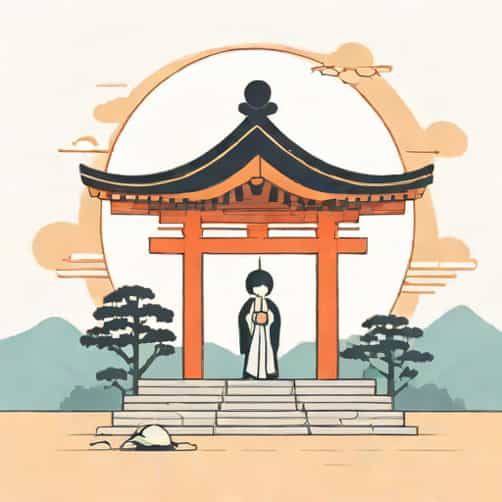
Shinto, the indigenous spiritual tradition of Japan, has a complex and nuanced approach to life, death, and the afterlife that differs significantly from many Western religions. Unlike traditions with clearly defined doctrines about heaven and hell, Shinto focuses primarily on living harmoniously with nature, ancestors, and kami, the spiritual forces or deities that inhabit the world. Questions about what happens after death are addressed indirectly through rituals, ancestral veneration, and beliefs about spirits. Understanding whether Shinto believes in an afterlife requires exploring the historical development of Shinto, its connection with ancestor worship, and how its practices address the continuation of the spirit beyond physical life. This exploration reveals that Shinto’s approach to the afterlife is less about a defined destination and more about maintaining balance between the living and the departed.
Shinto’s View of Life and Death
Shinto emphasizes purity, harmony, and reverence for nature and the kami. Life is seen as a sacred gift, and rituals focus on gratitude, cleansing, and maintaining proper relationships between humans and the spiritual world. Death, in Shinto thought, is often viewed as a form of pollution, or kegare, which must be addressed through purification rituals. Unlike religions that concentrate on an eternal afterlife, Shinto concerns itself more with honoring the deceased and maintaining spiritual balance in the present world.
Rituals Surrounding Death
- Purification rites are performed to cleanse the living and the environment of spiritual pollution.
- Funeral ceremonies often incorporate Shinto rituals to guide the spirit and maintain harmony.
- Memorial practices, such as offerings and prayers, keep the connection with ancestors alive.
- Seasonal festivals, such as Obon, honor the spirits of the departed and invite them to visit the living.
Shinto funerary customs demonstrate that while the religion does not focus on the afterlife as a destination, it deeply respects the continuing presence of spirits and the role of ancestors in daily life. The emphasis is on relationships and continuity rather than judgment or reward after death.
Ancestor Worship in Shinto
One of the central aspects of Shinto belief regarding life after death is ancestor worship. The spirits of deceased family members, known as ancestors or shintai, are considered to influence the living positively or negatively depending on how they are honored. Maintaining shrines, offering food, and performing rituals are ways in which the living ensure the well-being of the deceased spirit, and in turn, receive guidance and protection from them.
The Role of Ancestors
- Ancestors are believed to continue existing in the spiritual realm, although not in a structured heaven or hell.
- Regular offerings, prayers, and festivals help maintain the connection between the living and the deceased.
- Ancestors act as intermediaries between humans and kami, ensuring balance and spiritual guidance.
- Respecting ancestors is seen as crucial for family prosperity and harmony.
This veneration suggests a form of afterlife, not as a physical location, but as a continued presence among the living. The idea of spirits lingering and influencing daily life reflects Shinto’s view that death does not sever relationships but transforms them.
The Concept of Kami and Spirits
In Shinto, the natural world is filled with kami, which include gods, spirits of nature, and even the spirits of ancestors. Kami are not strictly deities in the Western sense; they are forces that can inhabit objects, places, and beings. When a person dies, their spirit may become a protective kami, a wandering spirit, or join the collective realm of ancestral spirits. This perspective allows for a flexible understanding of what happens after death.
Types of Spirits
- Guardian spirits (kami) that watch over families or places.
- Ancestor spirits who continue to interact with the living.
- Restless or malevolent spirits that may cause misfortune if not properly honored.
- Spirits associated with natural phenomena, such as rivers, mountains, or trees.
The belief in kami and the transformation of spirits after death shows that Shinto accommodates an ongoing spiritual existence. This existence is relational, focusing on how the dead continue to impact and guide the living rather than promising a final reward or punishment.
Influence of Buddhism on Shinto Afterlife Beliefs
While traditional Shinto focuses on ancestor veneration and spiritual presence, Buddhism, introduced to Japan in the 6th century, influenced Japanese concepts of the afterlife. Buddhist ideas of reincarnation, karma, and structured realms of existence blended with Shinto practices, creating a syncretic view in many Japanese families. Funeral practices often incorporate Buddhist rituals, while Shinto shrines handle life events and seasonal ancestor observances. This duality illustrates that Shinto alone does not define the afterlife in rigid terms, but when combined with Buddhist thought, Japanese beliefs about death and the afterlife become more complex.
Syncretic Practices
- Buddhist funerals and memorial services are common alongside Shinto purification rituals.
- Beliefs about reincarnation and karmic consequences influence how the dead are remembered and prayed for.
- Shinto rituals emphasize honoring ancestors, while Buddhist ceremonies often focus on aiding the spirit’s journey.
- The integration of both systems reflects the practical and adaptive nature of Japanese spirituality.
Understanding the Shinto approach to the afterlife often requires recognizing this interaction with Buddhism. While Shinto provides the framework for spiritual continuity and familial reverence, Buddhist concepts often fill in details about the soul’s journey and destiny.
Festivals and Afterlife Observances
Shinto festivals, such as Obon, highlight the enduring presence of spirits and the importance of maintaining relationships with the dead. During Obon, families clean ancestral graves, offer food, and perform dances and ceremonies to welcome ancestral spirits. These practices reinforce the idea that the dead continue to exist in a spiritual form and interact with the living community.
Key Observances
- Cleaning graves and home altars to honor the deceased.
- Offering food, incense, and prayers to ancestral spirits.
- Community dances and rituals to invite spirits and celebrate their presence.
- Maintaining seasonal traditions to ensure ongoing spiritual balance and family harmony.
Such observances show that Shinto’s concept of the afterlife emphasizes ongoing participation and respect rather than a final judgment or eternal reward. It is a relationship-oriented belief system where the dead remain integrated with the living world.
Shinto does not present a clear, singular vision of the afterlife as seen in many Western religions. Instead, it emphasizes the continued presence of spirits, ancestor veneration, and the maintenance of harmony between the living and the dead. While death is seen as a source of spiritual pollution, careful rituals and practices allow for purification and ongoing connection. Ancestors and spirits are believed to watch over families, guide them, and influence daily life, suggesting a form of spiritual continuity rather than a defined heaven or hell. The integration of Buddhist practices in Japan further shapes beliefs about the soul’s journey, adding layers of interpretation about reincarnation and karmic consequence. Overall, Shinto teaches that the afterlife is relational, symbolic, and deeply connected to honoring and respecting the natural and ancestral worlds. By focusing on balance, reverence, and continuity, Shinto provides a unique and culturally rich perspective on life after death that continues to influence Japanese spirituality and daily practices.
In summary, the question of whether Shinto believes in an afterlife cannot be answered with a simple yes or no. Shinto’s approach is subtle, flexible, and deeply rooted in ancestor veneration and the ongoing influence of spirits. Through rituals, festivals, and the veneration of kami, Shinto ensures that the dead remain an integral part of the living world, maintaining spiritual harmony and guiding future generations.