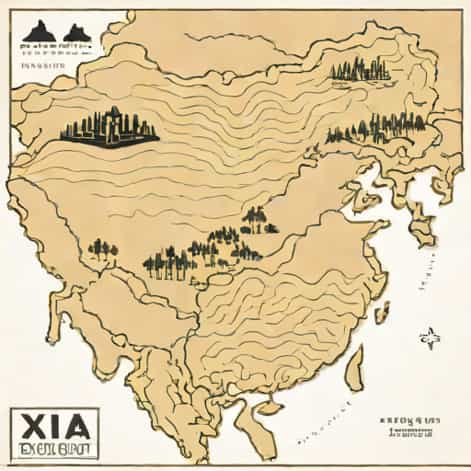
The Xia Dynasty, often regarded as the first dynasty in traditional Chinese history, existed around 2070 to 1600 BCE. Although much about this dynasty remains shrouded in legend, historical records and archaeological findings provide insight into the geographical features that shaped its development. The environment of the Xia Dynasty played a crucial role in the emergence of early Chinese civilization, influencing agriculture, settlement patterns, and political organization. Understanding the geographical characteristics of this period helps us appreciate how natural features guided the lifestyle, economy, and culture of the Xia people.
Location of the Xia Dynasty
The Xia Dynasty was primarily situated in the central plains of what is now modern-day China. The heartland of the dynasty is generally believed to have been along the Yellow River, known as Huang He, which provided fertile soil and a reliable water source for early agricultural communities. The river’s floodplain offered rich loess soil, which was ideal for cultivating crops like millet and wheat, supporting the growth of a settled population.
Importance of the Yellow River
The Yellow River was central to the Xia Dynasty’s development. Its seasonal flooding deposited nutrient-rich silt, enhancing the fertility of farmland. While flooding could be destructive, it also encouraged the development of early flood control techniques, irrigation systems, and communal planning. The river not only supported agriculture but also acted as a transportation route, enabling trade and communication between emerging settlements.
Terrain and Landforms
The Xia Dynasty territory was characterized by diverse landforms that influenced settlement patterns and economic activities. The central plains provided flat, arable land suitable for large-scale farming, while surrounding areas included hills, mountains, and plateaus that offered natural resources and defensive advantages.
Plains and Agricultural Land
The extensive plains along the Yellow River basin were the most significant geographical feature for the Xia Dynasty. These areas supported the cultivation of staple crops and the domestication of animals. Settlements often developed near rivers and streams, taking advantage of easy access to water for irrigation, drinking, and daily activities. Fertile plains allowed the Xia people to sustain a growing population and establish stable communities.
Mountains and Hills
Surrounding the central plains were mountain ranges and hilly areas. These regions provided timber, stone, and minerals, which were essential for construction, tool-making, and early metallurgy. Mountains also acted as natural barriers, offering protection from potential invasions and helping define territorial boundaries. The combination of fertile lowlands and resource-rich highlands created a balanced environment for economic and defensive strategies.
Plateaus and River Valleys
Plateaus and river valleys within the Xia territory offered strategic locations for settlements. Elevated plateaus provided defensible positions and reduced the risk of flooding, while river valleys facilitated transportation, trade, and communication. The interaction between flatlands, elevated areas, and river systems shaped the spatial organization of early Xia communities.
Climate and Its Influence
The climate during the Xia Dynasty was relatively temperate, with seasonal variations that influenced agricultural productivity. The warm, wet summers and cold, dry winters of the central plains allowed for the cultivation of a variety of crops, including millet, wheat, and barley. Seasonal rainfall replenished rivers and streams, while periods of drought could challenge agricultural output.
Adaptation to Seasonal Changes
The Xia people adapted their agricultural practices to the climate, planting crops in accordance with seasonal cycles. Irrigation channels and early water management techniques helped regulate water supply and protect fields from flooding. Understanding climate patterns was crucial for food security and the survival of Xia communities.
Rivers and Water Systems
Beyond the Yellow River, smaller rivers, tributaries, and streams crisscrossed the Xia territory. These water systems were vital for sustaining agriculture, providing drinking water, and enabling transportation. Settlements were often located near rivers to ensure access to water resources and fertile land for cultivation.
Flooding and Control Measures
Frequent flooding along the Yellow River required the Xia people to develop early flood control methods. Techniques such as levees, dikes, and canals helped manage water flow and protect farmland. These measures reflect the Xia Dynasty’s ability to manipulate the natural environment to support population growth and economic stability.
Natural Resources
The geographical features of the Xia Dynasty territory offered a variety of natural resources that supported early civilization. Fertile soil, forests, rivers, and mineral deposits provided the foundation for agriculture, construction, and tool-making.
Agricultural Resources
The loess plains along the Yellow River were rich in nutrients, ideal for growing staple crops. This agricultural abundance allowed the Xia people to produce surplus food, supporting larger populations and the development of social hierarchies.
Forests and Timber
Forested areas in surrounding hills and mountains supplied timber for building homes, crafting tools, and producing fuel. Access to wood resources was essential for sustaining daily life and supporting the development of early technology.
Minerals and Stone
Mountains and hills provided stone for construction and early metallurgy. Tools, weapons, and ceremonial objects could be made from these resources, highlighting the importance of geography in shaping the Xia Dynasty’s technological and cultural development.
Settlement Patterns and Geography
The geographical features of the Xia Dynasty influenced where people lived and how communities were organized. Settlements were typically located near rivers and fertile plains, allowing access to water, arable land, and transportation routes. Elevated areas offered defensive advantages, and proximity to natural resources facilitated construction, tool-making, and trade.
Urban and Rural Organization
Early urban centers likely emerged in areas with abundant agricultural potential and strategic locations. Rural settlements spread across the plains, forming networks of villages connected by rivers and trade routes. The combination of fertile farmland, water access, and natural protection helped shape the social and political organization of the Xia Dynasty.
The Xia Dynasty’s geographical features played a central role in its development as one of the earliest Chinese civilizations. The fertile plains of the Yellow River, surrounding hills and mountains, river valleys, and temperate climate provided the necessary resources for agriculture, settlement, and technological advancement. Access to water, timber, minerals, and arable land allowed the Xia people to establish stable communities and develop early methods of flood control, irrigation, and construction. By understanding the terrain, climate, and natural resources of the Xia Dynasty, we gain insight into how geography shaped the social, economic, and cultural foundations of ancient China. The study of these features highlights the importance of environment in the emergence of human civilization and provides a deeper appreciation for the ingenuity and adaptability of the Xia people in navigating and utilizing their natural surroundings.