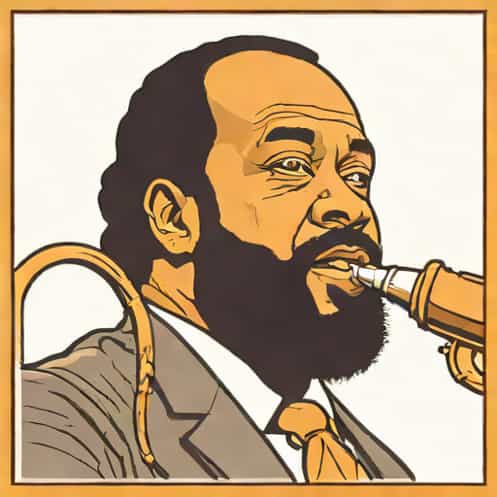
Grover Washington Jr.’s Mister Magic is one of the defining albums in the world of smooth jazz and soul music. Released in 1975, the album showcases Washington’s remarkable talent as a saxophonist and his ability to blend jazz, funk, and R&B into something that feels timeless. The record became an instant classic, marking a key moment in the evolution of jazz-fusion and influencing countless musicians who came after him. More than just a collection of songs, Mister Magic represents a mood, a groove, and a sound that continues to captivate listeners nearly five decades later.
The Story Behind Mister Magic
By the mid-1970s, Grover Washington Jr. had already established himself as one of the most exciting new voices in jazz. He was known for his soulful tone on both the alto and tenor saxophones, and his ability to make complex jazz structures sound inviting and melodic. Mister Magic was his fourth studio album, following Soul Box, and it pushed his artistry to a new level. Recorded at the legendary Van Gelder Studio in New Jersey, the album captured the perfect balance between improvisation and groove.
The title track, Mister Magic, was composed by Ralph MacDonald, a respected percussionist and songwriter who had collaborated with major artists like Bill Withers and Harry Belafonte. The collaboration between Washington and MacDonald proved to be a musical match made in heaven, producing a track that would go on to define Grover Washington Jr.’s career and the smooth jazz genre as a whole.
The Sound and Style of Mister Magic
One of the reasons Mister Magic stands out is its seamless fusion of styles. Grover Washington Jr. managed to create a sound that appealed not only to jazz enthusiasts but also to fans of R&B and soul. The album’s blend of funky bass lines, rhythmic guitar, and lush horn sections makes it instantly recognizable. At its core, Mister Magic is driven by a steady groove that invites listeners to relax and move to the rhythm, even as the music maintains a high level of sophistication.
The Title Track A Jazz-Funk Masterpiece
The song Mister Magic opens with a smooth, hypnotic groove that immediately sets the tone for the entire album. Grover’s tenor saxophone takes center stage, gliding effortlessly over a foundation of drums, electric bass, and keyboards. His playing is expressive yet controlled-each note feels deliberate, and the melody unfolds naturally. The track’s simplicity is deceptive; it’s the kind of tune that sounds effortless but requires tremendous skill to execute with such fluidity.
Ralph MacDonald’s percussion adds depth and texture, while guitarist Eric Gale contributes a series of tasteful, funky riffs that perfectly complement the saxophone’s warm tones. Together, the musicians create a soundscape that feels both relaxed and deeply engaging-a hallmark of Washington’s best work.
Other Tracks on the Album
While the title track gets most of the attention, the rest of the album is equally impressive. Songs like Earth Tones and Black Frost showcase Washington’s versatility and his ability to bring emotion to every performance. Earth Tones features a mellow, contemplative mood, with a slower tempo and softer instrumentation. In contrast, Black Frost has a darker, more atmospheric sound, driven by layered textures and a haunting saxophone melody.
Passion Flower, a Billy Strayhorn composition, offers a nod to traditional jazz roots, reminding listeners that Washington was deeply connected to the genre’s history even as he pushed it into new directions. Each track adds a new layer to the album’s emotional depth, creating a cohesive and memorable listening experience.
The Musicians Behind the Magic
Mister Magic brought together an outstanding group of musicians, many of whom were legends in their own right. The album featured
- Grover Washington Jr.on saxophones
- Bob Jameson keyboards
- Eric Galeon guitar
- Gary Kingon bass
- Ralph MacDonaldon percussion
- Harvey Masonon drums
This ensemble had perfect chemistry, and it shows in every track. Each musician brought their own unique flavor to the sessions, yet no one overpowered the other. The result was a blend of sounds that felt natural, spontaneous, and cohesive-a testament to both Grover Washington Jr.’s leadership and the musicians’ mutual respect for one another.
Impact on Jazz and Popular Music
When Mister Magic was released, it quickly became one of Grover Washington Jr.’s most successful albums, reaching the top of the Billboard jazz charts and crossing over to R&B audiences. The album’s appeal lay in its accessibility-it was sophisticated enough for jazz purists but catchy enough for casual listeners. This balance helped pave the way for the smooth jazz movement that gained immense popularity in the late 1970s and 1980s.
Grover Washington Jr.’s sound influenced countless artists who followed, including Kenny G, David Sanborn, and George Benson. The success of Mister Magic also helped bring instrumental jazz back into mainstream radio rotations, something that had been rare during the dominance of rock and pop music in the 1970s.
Legacy in Modern Music
Even today, Mister Magic remains a staple in jazz and R&B playlists. The title track has been sampled by hip-hop artists, featured in films, and used in countless radio shows as background music. Its smooth rhythm and timeless feel make it relevant across generations. The song’s influence can even be felt in modern neo-soul and chillout music, where artists continue to blend jazz with groove-based elements inspired by Grover’s sound.
Grover Washington Jr.’s Career Beyond Mister Magic
While Mister Magic was a breakthrough, it was far from the end of Grover Washington Jr.’s artistic journey. He went on to record several more successful albums, including Feels So Good (1975), Winelight (1980), and Come Morning (1981). Winelight, in particular, earned him a Grammy Award and included the hit single Just the Two of Us, featuring Bill Withers. His continued success throughout the 1980s solidified his reputation as one of the key architects of smooth jazz.
However, despite his commercial achievements, Grover Washington Jr. never lost sight of his jazz roots. He continued to perform live, experimenting with different sounds and pushing the boundaries of his genre. His work remains a bridge between traditional jazz and modern urban sounds, proving that great music can transcend labels and generations.
Why Mister Magic Still Resonates Today
What makes Mister Magic so enduring is its emotional honesty. There’s nothing forced or artificial about it. Every note feels sincere, every groove feels lived-in. The album captures a moment in time when jazz was evolving, becoming more open to new influences without losing its essence. Grover Washington Jr.’s playing embodies that balance-smooth yet soulful, technical yet heartfelt.
Listeners continue to return to Mister Magic not just for nostalgia but because the music still feels fresh. Its rhythms invite relaxation, its melodies evoke warmth, and its production remains a masterclass in musical subtlety. For many, it represents the perfect intersection of art and accessibility-a reminder that great music doesn’t need to be complicated to be powerful.
Grover Washington Jr.’s Mister Magic stands as a timeless masterpiece that helped shape the sound of modern jazz. Its fusion of funk, soul, and jazz created a new space for instrumental music in popular culture. Beyond its technical brilliance, the album carries a spirit of joy, rhythm, and connection that continues to inspire musicians and listeners alike. Nearly fifty years later, Mister Magic remains more than just a record-it’s a feeling, a groove, and a celebration of the artistry of Grover Washington Jr.