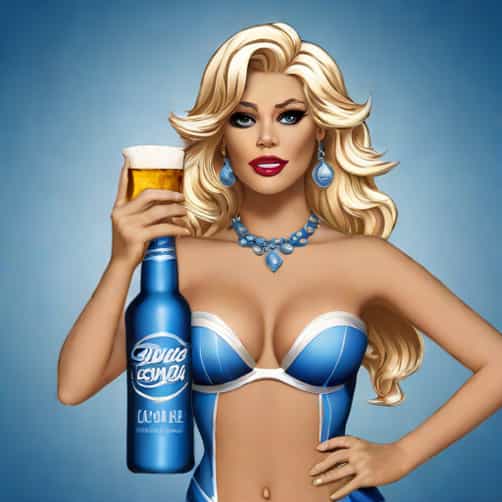
In April 2023, Bud Light, one of America’s most iconic beer brands, found itself at the center of a nationwide controversy following a marketing campaign featuring transgender influencer Dylan Mulvaney. The campaign, intended to celebrate inclusivity and reach younger audiences, instead sparked a significant backlash among conservative consumers and led to calls for a boycott. This topic delves into the details of the campaign, the ensuing controversy, and its lasting impact on the brand.
The Campaign Celebrating a Milestone
On April 1, 2023, Dylan Mulvaney, a transgender TikTok star known for her Days of Girlhood series documenting her gender transition, shared a video on Instagram promoting Bud Light’s Easy Carry Contest. In the video, Mulvaney mentioned that Bud Light had sent her a custom can featuring her face to commemorate her 365th day of womanhood. The gesture was intended as a celebration of her personal journey and a nod to the brand’s efforts to engage with diverse audiences.
Initial Reception
Initially, the campaign was met with positive reactions from many in the LGBTQ+ community and allies, who viewed it as a progressive step towards inclusivity in mainstream advertising. However, the positive reception was short-lived as the campaign quickly garnered attention from conservative circles.
The Backlash A Call for Boycott
Within days of the campaign’s release, conservative figures and media outlets began to criticize Bud Light’s partnership with Mulvaney. The backlash intensified when musician Kid Rock posted a video of himself shooting several cases of Bud Light with an assault rifle, declaring, F*** Bud Light and f*** Anheuser-Busch. This act symbolized the anger felt by many conservatives over the brand’s perceived endorsement of a transgender influencer.
Impact on Sales
The controversy had immediate financial repercussions for Bud Light. Sales figures indicated a significant decline, with reports of an 11% drop in sales in the week ending April 8, 2023, and a 21% drop the following week. By May 1, 2023, off-premise sales had decreased by 26% compared to the same period the previous year. The backlash also affected other Anheuser-Busch products, leading to an overall decline in sales for the company.
Corporate Response
In response to the backlash, Anheuser-Busch InBev, the parent company of Bud Light, issued a statement emphasizing its commitment to inclusivity and community engagement. The company clarified that the custom cans featuring Mulvaney were a limited edition and not part of a broader advertising campaign. Despite this clarification, the damage to the brand’s reputation had been done.
Executive Changes
The controversy also led to changes within the company’s leadership. Alissa Heinerscheid, the Vice President of Marketing who had championed the campaign, took a leave of absence in April 2023. She was replaced by Todd Allen, the Global Marketing VP for Budweiser. The leadership change was seen as an attempt to distance the brand from the controversy and restore its image among its core consumer base.
Long-Term Effects
As of early 2025, the effects of the controversy continue to be felt. Reports indicate that Bud Light’s sales remain down by nearly 30% compared to the previous year. The brand’s efforts to recover, including new advertising campaigns featuring comedians and musicians, have had limited success in regaining lost customers. Industry experts suggest that the incident has caused lasting damage to Bud Light’s reputation and consumer trust.
Lessons Learned
The Bud Light controversy serves as a case study in the complexities of modern marketing. While brands strive to be inclusive and resonate with diverse audiences, they must also consider the values and expectations of their existing customer base. The backlash underscores the importance of understanding and balancing these dynamics to avoid alienating key consumers.
The partnership between Bud Light and Dylan Mulvaney, intended to celebrate inclusivity and engage a younger demographic, instead led to a significant backlash that affected the brand’s sales and reputation. The incident highlights the challenges brands face in navigating social issues and the potential consequences of marketing decisions that may not align with all segments of their audience. As Bud Light continues to recover, the lessons from this controversy will likely influence future marketing strategies in the beverage industry and beyond.