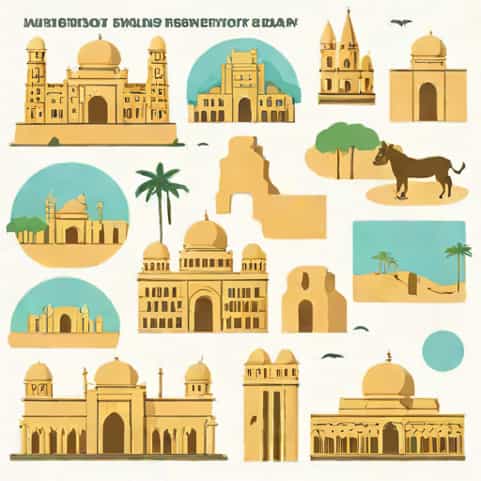
Khartoum, the capital city of Sudan, is a vibrant destination that blends history, culture, and natural beauty. Situated at the confluence of the Blue and White Nile rivers, Khartoum offers visitors a unique glimpse into Sudanese life, heritage, and architecture. The city is a fascinating mix of modern urban areas and traditional markets, with attractions that appeal to both history enthusiasts and leisure travelers. From ancient archaeological sites to bustling markets and scenic riverbanks, there are numerous places to visit in Khartoum that provide memorable experiences for all types of travelers.
Historical and Cultural Sites in Khartoum
Khartoum is rich in historical landmarks that tell the story of Sudan’s past and its diverse cultural heritage. Visiting these sites gives travelers insight into the city’s unique identity and historical significance.
The National Museum of Sudan
The National Museum of Sudan is one of the most important cultural attractions in Khartoum. It houses an extensive collection of artifacts from Sudan’s ancient civilizations, including the Kingdom of Kush and Nubian cultures. Visitors can explore ancient sculptures, jewelry, pottery, and mummies, providing a deep understanding of the country’s archaeological heritage. The museum also highlights the history of Sudan from prehistoric times to the modern era, making it a must-visit for history enthusiasts.
Omdurman and the Mahdi’s Tomb
Across the Nile from Khartoum lies Omdurman, a historic city that played a central role in Sudanese history. One of the most visited landmarks here is the Mahdi’s Tomb, the resting place of Muhammad Ahmad, who led the Mahdist revolt in the late 19th century. The tomb is an impressive structure, offering both architectural beauty and historical significance. Exploring Omdurman also provides a chance to witness traditional Sudanese life, with its local markets and cultural events.
Markets and Shopping Areas
For travelers interested in local culture and crafts, Khartoum’s markets are a vibrant attraction. These markets provide an authentic experience of Sudanese commerce and daily life, with opportunities to purchase traditional items and souvenirs.
Souq Arabi
Souq Arabi is one of the most famous markets in Khartoum. This bustling marketplace is filled with shops selling spices, fabrics, traditional clothing, and handcrafted goods. Visitors can experience the lively atmosphere, negotiate prices, and enjoy the colorful displays of local products. The market is also a great place to try Sudanese street food and interact with local vendors, making it a culturally immersive experience.
Al-Mogran Market
Another notable market is Al-Mogran Market, located near the confluence of the Blue and White Nile rivers. The market offers a mix of modern and traditional goods, including electronics, clothing, and household items. It is a popular destination for both locals and tourists and provides a glimpse into the daily commerce and social life of Khartoum’s residents.
Natural Attractions and Parks
Khartoum is not only about history and culture; it also boasts natural attractions and scenic locations perfect for relaxation and outdoor activities. These areas highlight the city’s unique geography and provide opportunities to enjoy the outdoors.
Confluence of the Blue and White Nile
One of the most iconic sights in Khartoum is the meeting point of the Blue and White Nile rivers. The confluence offers stunning views and is a popular spot for photography and sightseeing. Visitors can take leisurely walks along the riverbanks, enjoy boat rides, or simply relax while observing the flowing waters and local wildlife. The site is symbolic of Khartoum and Sudan’s geographical and cultural identity.
Al-Riyadh Park
For a more urban natural experience, Al-Riyadh Park provides a green escape in the heart of Khartoum. The park features walking paths, gardens, and recreational areas where families and tourists can unwind. It is an ideal spot for picnics, outdoor activities, and enjoying the pleasant weather. Al-Riyadh Park also hosts local events and cultural festivals, adding to its appeal as a recreational destination.
Religious and Architectural Sites
Khartoum is home to several important religious and architectural landmarks that showcase the city’s diverse spiritual and cultural heritage. These sites are significant for both their historical value and aesthetic beauty.
Al-Nilin Mosque
Al-Nilin Mosque is one of the largest and most beautiful mosques in Khartoum. Situated near the Nile, it is known for its impressive architecture, elegant domes, and intricate interior designs. Visitors can admire the mosque’s construction, learn about Islamic culture in Sudan, and experience the peaceful ambiance of this spiritual site. The mosque is an important part of Khartoum’s cultural and religious landscape.
Presidential Palace and Government Buildings
The Presidential Palace and nearby government buildings are notable architectural sites in Khartoum. These structures reflect modern Sudanese architecture and provide insight into the country’s political and administrative history. While access to some areas may be restricted, the exterior views and surrounding gardens make them interesting places to explore and photograph.
Museums and Cultural Centers
Khartoum also offers several museums and cultural centers that celebrate Sudanese art, music, and heritage. These attractions allow visitors to engage with the country’s creative expressions and understand its social history.
Sudan National Museum of Contemporary Art
This museum showcases modern Sudanese art, including paintings, sculptures, and mixed media works by local artists. It highlights the evolving cultural landscape of Sudan and provides a platform for emerging artists. The museum also hosts exhibitions and cultural events, making it a dynamic place for both tourists and residents.
Ethnographic Museum
The Ethnographic Museum offers insights into Sudan’s diverse ethnic groups and traditions. Exhibits include traditional clothing, musical instruments, and artifacts from various communities. Visiting the museum helps travelers appreciate the rich cultural diversity of Sudan and the significance of preserving traditional knowledge and practices.
Khartoum, Sudan, offers a wealth of attractions for travelers seeking history, culture, natural beauty, and vibrant local life. From the National Museum of Sudan and Mahdi’s Tomb to bustling markets like Souq Arabi and scenic locations at the Nile confluence, the city provides diverse experiences for visitors. Parks, mosques, and cultural centers further enrich the travel experience, showcasing the city’s unique identity and heritage. Exploring these places to visit in Khartoum allows travelers to engage with Sudanese history, art, and daily life, making it a memorable destination for anyone interested in discovering the heart of Sudan.