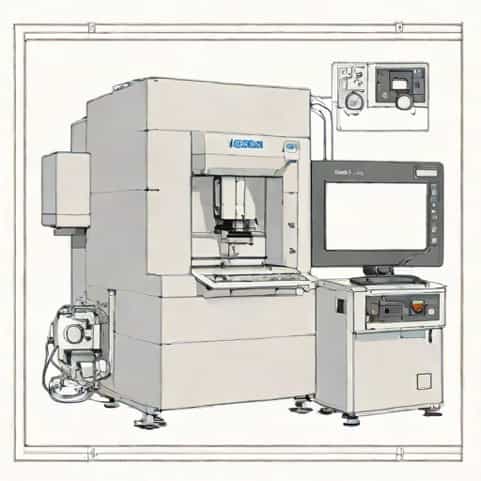
The Perkin Elmer Autosystem XL is a highly versatile gas chromatography (GC) system widely used in laboratories for analyzing chemical compounds with precision and efficiency. Understanding the functionality, operation, and maintenance of this instrument is crucial for achieving accurate analytical results. The manual for the Perkin Elmer Autosystem XL serves as a comprehensive guide, providing detailed instructions for setup, calibration, troubleshooting, and safety procedures. Familiarity with the manual ensures that users can operate the system effectively while minimizing the risk of errors or damage to the instrument.
Overview of the Perkin Elmer Autosystem XL
The Autosystem XL is designed to perform high-resolution gas chromatography, offering advanced features for both qualitative and quantitative analysis. It supports multiple detector types, including flame ionization detectors (FID), thermal conductivity detectors (TCD), and electron capture detectors (ECD), allowing flexibility for different analytical needs. The system is equipped with an autosampler that automates sample injection, reducing manual intervention and enhancing reproducibility. Users rely on the manual to understand the technical specifications, component layout, and operational guidelines.
Key Components
The manual provides detailed diagrams and descriptions of key components in the Autosystem XL. These include
- AutosamplerFacilitates automatic injection of samples into the GC system, ensuring consistent sample delivery.
- OvenHouses the column and maintains precise temperature control for optimal separation of compounds.
- DetectorsFID, TCD, and ECD options are used depending on the type of analysis required.
- InjectorIntroduces the sample into the carrier gas stream and onto the column.
- Data systemIntegrates with software for data acquisition, processing, and reporting.
Setting Up the Autosystem XL
Proper setup is essential for reliable chromatographic analysis. The manual includes step-by-step instructions for assembling the system, connecting gas lines, installing columns, and configuring the autosampler. Users are advised to check for leaks in gas connections, ensure the correct column type and length, and verify that the oven and detector temperatures are correctly set. Attention to these details helps prevent errors that could compromise the quality of the results.
Calibration and Standardization
Calibration is a critical process in gas chromatography, and the manual provides comprehensive guidance on performing it accurately. Users are instructed to run standard solutions, adjust detector settings, and establish response factors. Proper calibration ensures that quantitative results are accurate and reproducible. The manual also emphasizes the importance of regular recalibration, especially when changing columns or detectors, to maintain the integrity of analytical data.
Operating Procedures
The Perkin Elmer Autosystem XL manual outlines detailed operating procedures to guide users through routine analysis. This includes loading samples into the autosampler, selecting appropriate methods, setting temperature programs, and initiating data acquisition. The manual also provides troubleshooting tips for common issues such as baseline drift, peak tailing, or injection problems. Following the recommended procedures ensures consistent performance and prolongs the lifespan of the instrument.
Maintenance and Safety
Regular maintenance is crucial to keep the Autosystem XL functioning optimally. The manual lists preventive maintenance tasks, including cleaning the injector, replacing septa, checking carrier gas purity, and inspecting detector components. Safety precautions are also highlighted, such as handling flammable gases, wearing protective equipment, and following proper waste disposal protocols. Adhering to these guidelines minimizes the risk of accidents and equipment damage.
Troubleshooting Common Issues
Despite careful operation, users may encounter issues that affect chromatographic performance. The manual provides troubleshooting strategies for problems such as
- Irregular peaksMay result from column contamination, incorrect injector temperature, or sample overload.
- Baseline noiseCould be due to detector contamination, gas impurities, or electrical interference.
- Autosampler errorsOften caused by improper sample vial placement, syringe blockage, or software misconfigurations.
Following the manual’s troubleshooting steps allows users to identify the root cause of issues and implement effective solutions, ensuring minimal downtime and accurate analysis.
Software Integration
The Autosystem XL integrates with data acquisition software that controls the instrument and records analytical results. The manual provides instructions for software installation, method creation, and data analysis. Users learn how to customize parameters, generate chromatograms, and export results for reporting. Understanding software functionality is essential for maximizing the system’s capabilities and ensuring reliable data interpretation.
Best Practices for Efficient Use
To optimize the performance of the Perkin Elmer Autosystem XL, the manual recommends best practices including
- Consistently using high-purity carrier gases to prevent contamination.
- Maintaining a log of maintenance activities and calibrations for quality control.
- Regularly training laboratory personnel on proper operation and safety protocols.
- Monitoring detector performance and replacing components before failure.
Benefits of Following the Manual
Adhering to the instructions in the Perkin Elmer Autosystem XL manual ensures accurate, reliable, and reproducible chromatographic results. Users gain confidence in the system’s performance and reduce the risk of equipment damage. The manual also helps laboratories maintain compliance with regulatory standards by providing clear documentation for maintenance, calibration, and operational procedures.
The Perkin Elmer Autosystem XL manual is an indispensable resource for laboratory professionals using this advanced gas chromatography system. It provides comprehensive guidance on setup, operation, calibration, troubleshooting, and safety, ensuring that users can maximize the instrument’s potential while minimizing errors and risks. By understanding the key components, following recommended procedures, and adhering to maintenance protocols, analysts can achieve precise and reliable results in their chemical analyses. Whether for routine testing or complex research applications, familiarity with the Autosystem XL manual is essential for effective and efficient use of this powerful analytical instrument.