Asafoetida, also known as hing, is a resin obtained from the roots of Ferula species, primarily Ferula assa-foetida. It is widely used as a spice and medicinal substance in traditional practices, particularly in India, Iran, and Afghanistan. Understanding the morphological characteristics of asafoetida is crucial for identifying its quality, purity, and authenticity. Morphology refers to the form, structure, and physical features of the plant and the resin itself. By studying these characteristics, researchers, herbalists, and consumers can distinguish genuine asafoetida from adulterated or inferior products. Morphological examination also provides insights into the extraction process, storage, and potential applications of this valuable natural product.
Botanical Overview of Asafoetida
Asafoetida is obtained from perennial herbs belonging to the genus Ferula in the family Apiaceae. These plants are native to arid and semi-arid regions and typically grow in Afghanistan, Iran, and northern India. The plants have a robust taproot system, from which the resin exudes when cut. Ferula species are characterized by their large, feathery leaves, hollow stems, and yellow umbel flowers. The botanical features of these plants directly influence the morphological characteristics of the resin that is collected and marketed as asafoetida.
Root System
The root system of Ferula species is thick, fleshy, and aromatic. It serves as the primary site for resin production. Morphologically, the roots are usually cylindrical, tapering towards the ends, and covered with a brownish or grayish outer layer. When cut or scratched, the roots exude a milky latex that solidifies upon exposure to air, forming the characteristic resin. The size, shape, and color of the root can affect the quality and quantity of resin obtained.
Stem and Leaves
The stems of Ferula plants are tall, erect, and often hollow, which helps in identifying the species. They can grow up to 1.5-2 meters in height. The leaves are finely divided, resembling fern fronds, with a glaucous green color. The leaves’ shape and arrangement provide morphological markers that distinguish high-resin-producing species from others.
Morphological Characteristics of Asafoetida Resin
The resin extracted from the roots of Ferula species displays distinctive morphological features. These characteristics are important for identifying the quality and authenticity of the product in the market.
Appearance and Color
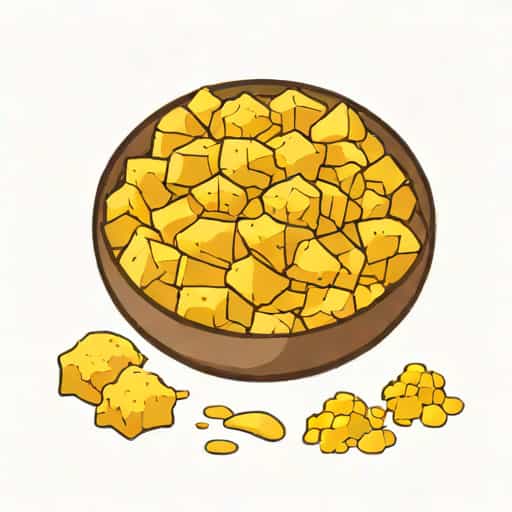
Asafoetida resin is typically irregularly shaped, ranging from soft lumps to hard chunks. Fresh resin is pale yellow to light brown in color, whereas older, dried resin can turn darker brown. The surface of the resin may be powdery or coated with a thin layer of fine dust, which is often used to prevent clumping. The color variation can indicate the age and storage conditions of the resin.
Texture and Consistency
The texture of asafoetida is variable depending on the extraction and drying process. Freshly exuded resin is soft, sticky, and gummy, while dried resin becomes brittle or slightly waxy. When pressed between fingers, it may crumble into smaller pieces. The consistency is a key morphological trait used by buyers and sellers to assess the resin’s quality.
Odor
One of the most distinctive morphological features of asafoetida is its strong, pungent odor. Fresh resin has a sulfur-like, sharp smell that can be overwhelming, while powdered forms release a less intense but still noticeable aroma. The odor is directly linked to volatile sulfur compounds present in the resin. This characteristic is not only a morphological trait but also serves as an indicator of freshness and purity.
Powdered Form
Asafoetida is often powdered for culinary and medicinal use. The powdered form is granular and ranges from light yellow to brown. The ptopics are irregular in shape and size, and the powder often contains small fibrous strands from the original resin. The morphological examination of the powder can reveal the presence of impurities, adulterants, or fillers.
Microscopic Morphology
Microscopic analysis provides a detailed view of the structural components of asafoetida resin. Under a microscope, the resin exhibits fibrous strands, vascular tissue remnants from the root, and crystalline deposits of volatile compounds. These microscopic features help differentiate authentic asafoetida from synthetic or adulterated products. Additionally, scanning electron microscopy can reveal the surface structure and microtexture, which are important for pharmaceutical applications.
Crystalline Structures
Asafoetida contains volatile sulfur compounds that can crystallize during drying. These crystals appear as tiny, irregularly shaped ptopics interspersed within the resin. The presence and abundance of crystalline structures contribute to the resin’s pungency and are considered a morphological marker for quality assessment.
Fibrous Content
The fibrous content in asafoetida originates from the plant’s root tissue. These fibers are elongated, thin, and sometimes visible in powdered resin. High-quality asafoetida typically contains a balanced proportion of fibers, ensuring a strong aroma without excessive bulk. Microscopic examination of the fibers can also indicate the species and origin of the resin.
Uses and Relevance of Morphological Characteristics
Understanding the morphological characteristics of asafoetida is essential for various purposes
Quality Assessment
Buyers and suppliers rely on physical and morphological traits to assess the quality of asafoetida. Color, texture, odor, and fibrous content are primary indicators of freshness and authenticity. Market-grade asafoetida is selected based on these features to ensure consumer satisfaction and consistent culinary or medicinal performance.
Adulteration Detection
Adulteration of asafoetida is common due to its high market value. Morphological examination helps detect the presence of fillers, synthetic resins, or other plant materials. Irregular colors, unusual textures, or the absence of characteristic fibers may indicate adulteration, allowing regulators and buyers to take appropriate measures.
Pharmaceutical and Research Applications
In pharmaceuticals, the morphological properties of asafoetida influence its extraction efficiency, formulation, and bioavailability. Researchers study these characteristics to optimize medicinal preparations, analyze active compounds, and develop standardized herbal products.
Finding out the morphological characteristics of asafoetida involves examining its physical appearance, texture, odor, fibrous content, and microscopic structures. These characteristics are vital for quality assessment, adulteration detection, and optimal use in culinary and medicinal applications. From the fibrous roots of Ferula species to the sticky, pungent resin, morphological traits provide valuable information about authenticity, purity, and origin. By understanding these features, consumers, researchers, and suppliers can ensure that asafoetida is used effectively, sustainably, and safely, preserving its traditional value while supporting modern applications in food and medicine.