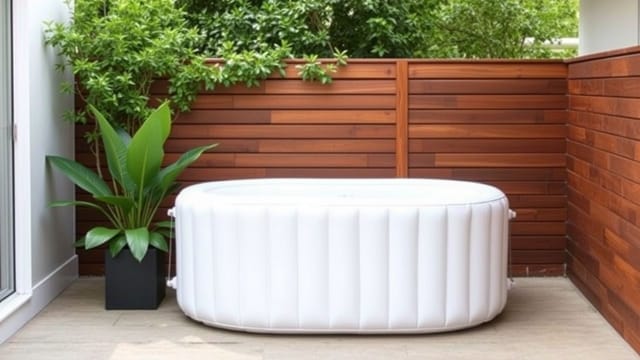
An inflatable hot tub is becoming an increasingly popular addition to backyards, patios, and even balconies around the world. More people are choosing this portable and affordable alternative to traditional spas because of its convenience, ease of use, and relaxing benefits. Whether you want to soothe aching muscles after a long day, host a small social gathering, or simply unwind under the stars, an inflatable hot tub can offer all of that without the need for complex plumbing or expensive installations. These hot tubs are available in various sizes, styles, and features, catering to different preferences and budgets, making them a desirable option for modern homes.
What is an Inflatable Hot Tub?
An inflatable hot tub is a portable spa made from durable, puncture-resistant materials like PVC or vinyl. Unlike permanent hot tubs, which require professional installation and often need to be built into decks or tiled surfaces, inflatable versions can be easily inflated, filled with water, heated, and used almost anywhere with a flat surface. They usually come with a built-in pump, heater, and control panel, allowing users to adjust the temperature and activate bubble jets for a spa-like experience.
Key Features of an Inflatable Hot Tub
Most inflatable hot tubs come equipped with features designed for both comfort and functionality. These include:
- Built-in heater: Heats the water to a comfortable temperature, usually up to 104°F (40°C).
- Air jets or bubble systems: Provide a massaging sensation by releasing bubbles into the water.
- Insulated covers: Help retain heat and keep debris out when not in use.
- Filter system: Keeps the water clean and circulates it properly.
- Control panel: Easy-to-use interface to manage heat, bubbles, and timers.
Benefits of Owning an Inflatable Hot Tub
The popularity of inflatable hot tubs is due to their many advantages over traditional options. Here are some notable benefits:
Affordability
Inflatable hot tubs are significantly more affordable than permanent models. While a built-in hot tub might cost several thousand dollars, an inflatable version typically ranges from $300 to $1,200, depending on size and features.
Portability
One of the major perks of an inflatable hot tub is its portability. It can be deflated and moved to different locations as needed, making it ideal for renters or homeowners who like to change their setup often.
Easy Installation
Setting up an inflatable hot tub is a simple process. It usually involves laying down the base, inflating the tub using the included pump, filling it with water using a hose, and plugging it into a standard electrical outlet. No professional installation or plumbing is necessary.
Relaxation and Health Benefits
Regular use of a hot tub is known to provide numerous health benefits. Soaking in warm water can relieve stress, ease joint and muscle pain, improve circulation, and promote better sleep. Many people find inflatable hot tubs to be a therapeutic and relaxing addition to their wellness routine.
What to Consider Before Buying
When shopping for an inflatable hot tub, it’s essential to consider a few key factors to ensure you get the right one for your needs.
Size and Capacity
Inflatable hot tubs come in a variety of sizes, typically accommodating two to six people. If you plan to use it with family or friends, go for a larger model. However, if it’s mainly for personal use or you have limited space, a smaller version may be sufficient.
Temperature and Heating Time
Check the maximum heating temperature and how long it takes to reach it. Most models take between 12 to 24 hours to heat water from cold to 104°F (40°C), depending on the weather and water volume.
Material and Durability
Look for models made from multi-layered PVC or Tritech materials that resist punctures and wear. The thicker the material, the more durable and long-lasting your hot tub will be.
Energy Efficiency
Some inflatable hot tubs are designed with better insulation and energy-efficient systems, which can help reduce electricity costs over time. Look for models with timers or energy-saving modes.
Extra Features
Features like LED lighting, built-in speakers, cup holders, and seating cushions can enhance your hot tub experience. Although not essential, they may be worth considering depending on your preferences.
Maintenance and Safety
Maintaining an inflatable hot tub is relatively straightforward, but it’s important to follow proper cleaning and safety procedures to ensure longevity and hygiene.
Water Care
You’ll need to use water treatment chemicals such as chlorine or bromine to prevent algae and bacteria growth. Most tubs come with a filter that should be cleaned or replaced regularly.
Cleaning the Tub
Drain and clean the inside of the tub with mild soap and a soft cloth every few weeks, especially if it’s used frequently. Make sure it’s completely dry before storing it away if not in use.
Electrical Safety
Always use a grounded outlet and follow the manufacturer’s safety guidelines. Never use the hot tub during storms, and make sure the pump is functioning properly at all times.
When and Where to Use an Inflatable Hot Tub
Inflatable hot tubs can be used year-round, although performance may vary depending on weather conditions. Some models are better suited for winter use and are built with thicker insulation to handle cold temperatures.
Best Locations for Use
- Backyards: Ideal if you have space and privacy.
- Decks or patios: Ensure the surface can support the weight when filled with water.
- Indoor spaces: Use caution to prevent water damage; a well-ventilated room with drainage is recommended.
An inflatable hot tub offers a practical, affordable, and enjoyable way to bring the luxury of a spa into your home. With easy setup, portability, and various health benefits, it’s no surprise that these tubs are a popular choice among homeowners and renters alike. By understanding the features, maintenance requirements, and considerations before purchasing, you can find the perfect model to fit your lifestyle and enhance your relaxation time year-round.