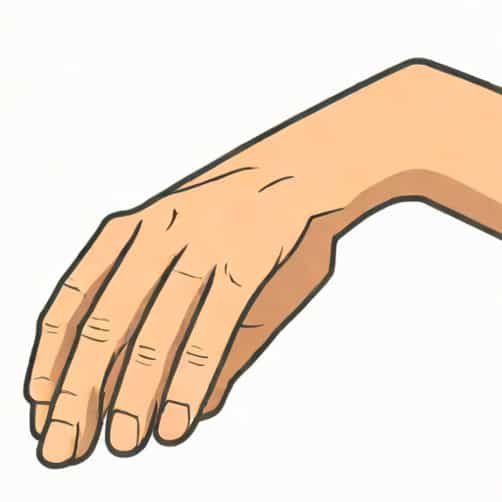
A bruised wrist from being grabbed is a common injury that can occur in many situations, from accidental rough contact to a forceful grip. The wrist is a delicate part of the body, made up of small bones, tendons, and soft tissues that can easily be damaged by pressure or twisting. When someone grabs your wrist too tightly, blood vessels beneath the skin may break, leading to visible bruising, pain, and swelling. Understanding the causes, symptoms, and treatment options for a bruised wrist is essential for promoting healing and preventing further injury.
Understanding Wrist Bruising
Bruising, medically known as a contusion, happens when tiny blood vessels under the skin rupture due to trauma. The blood that leaks out of these vessels gets trapped under the surface, creating the discoloration typical of a bruise. A wrist bruise from being grabbed may vary in appearance depending on the force used and how sensitive your skin is. Some people bruise more easily than others, especially those with thinner skin, certain medical conditions, or who take medications that affect blood clotting.
When the wrist is grabbed, the pressure may cause not only bruising but also tenderness and stiffness. The area might start out red or pink before turning purple, blue, or even green as the bruise heals. In most cases, such bruises are minor and heal on their own. However, if the pain is severe or the wrist’s range of motion is limited, it could be a sign of a deeper injury such as a sprain or fracture.
Common Causes of a Bruised Wrist from Being Grabbed
While a wrist bruise can occur for many reasons, being grabbed forcefully is among the most direct causes. The degree of injury depends on several factors, including the strength of the grip, the duration of contact, and the underlying health of the tissue. Below are common situations that can lead to this type of injury
- Physical altercation or restraintA sudden or forceful grab during an argument or defensive situation can cause bruising or strain on the wrist.
- Accidental grippingSometimes, even a well-meaning attempt to pull or assist someone can result in an unintended bruise.
- Sports or physical activityDuring games or training, players might grab each other’s arms or wrists for balance or defense, leading to bruises.
- Fragile skin or medical conditionsCertain individuals have more delicate blood vessels, making them prone to bruising even with minimal pressure.
It is important to remember that bruising patterns and severity can vary greatly. Some bruises may appear immediately, while others develop over several hours as blood pools under the skin.
Symptoms of a Bruised Wrist
The most recognizable symptom of a bruised wrist from being grabbed is visible discoloration. However, other signs may appear depending on the intensity of the injury. Common symptoms include
- Pain or tenderness around the bruised area
- Swelling and mild inflammation
- Stiffness or difficulty moving the wrist
- Warmth or slight sensitivity to touch
- Changes in skin color ranging from red to purple, green, or yellow as healing progresses
In mild cases, the pain usually subsides within a few days. But if the bruise is accompanied by numbness, severe swelling, or visible deformity, medical attention should be sought immediately, as these may indicate more serious damage such as nerve injury or fracture.
Diagnosing the Injury
When you experience a bruised wrist from being grabbed, a physical examination is often enough for diagnosis. A healthcare provider may look for tenderness, range of motion, and the extent of discoloration. If there’s significant swelling or suspicion of a deeper injury, imaging tests like X-rays or ultrasounds may be used to rule out bone or tendon damage.
Medical evaluation is especially important if the bruise is large, painful, or does not improve within two weeks. Persistent or severe bruising can sometimes indicate underlying conditions such as clotting disorders, vitamin deficiencies, or damage to soft tissues.
Treatment for a Bruised Wrist
Most bruised wrists heal naturally within a few days to weeks, depending on the severity. However, there are several home remedies and treatments that can speed up recovery and reduce discomfort.
Initial Care RICE Method
The RICE method-Rest, Ice, Compression, and Elevation-is a standard first aid approach for soft tissue injuries
- RestAvoid activities that strain or pressure the injured wrist.
- IceApply a cold compress for 15-20 minutes several times a day during the first 48 hours to reduce swelling.
- CompressionWrap the wrist gently with an elastic bandage to limit swelling, but do not make it too tight.
- ElevationKeep the wrist elevated above heart level whenever possible to reduce fluid buildup.
Pain Relief and Healing Support
Over-the-counter pain relievers such as acetaminophen or ibuprofen can help manage pain and inflammation. Gentle massage around the bruised area (not directly on it) can improve blood circulation once the acute pain subsides. Applying a warm compress after the first 48 hours can also promote healing by increasing blood flow to the area.
Some people use natural remedies like arnica gel, aloe vera, or vitamin K creams to help reduce bruising. Staying hydrated and maintaining a healthy diet rich in vitamin C and iron can further support the healing process by strengthening blood vessels and promoting tissue repair.
When to Seek Medical Help
While most bruised wrists heal without complications, certain symptoms require medical attention. Seek professional care if you experience
- Severe or persistent pain
- Inability to move your wrist or fingers
- Numbness or tingling sensation
- Swelling that does not subside after several days
- Bruising that spreads or worsens unexpectedly
These signs could indicate a sprain, fracture, or nerve injury. A healthcare provider may recommend additional treatment such as physical therapy, splinting, or in rare cases, minor surgery if internal damage is found.
Prevention and Recovery Tips
To avoid future wrist injuries or bruises, it’s important to take preventive measures and strengthen the wrist area. Simple exercises, like wrist rotations and grip strengthening, can improve flexibility and resilience. Wearing wrist guards during sports or physical labor can also provide protection.
During recovery, avoid overusing the wrist too soon, as it can delay healing. If your job or daily activities involve repetitive wrist movements, take regular breaks and use ergonomic supports when possible. Keep the wrist warm and supported, especially in colder environments, to promote circulation and prevent stiffness.
Emotional Considerations
In some cases, a bruised wrist from being grabbed may be the result of aggressive behavior or unwanted physical contact. If the injury occurred in such circumstances, it is important to prioritize your safety and seek support from trusted individuals or authorities. Emotional stress can slow physical healing, so addressing both physical and emotional well-being is crucial for full recovery.
A bruised wrist from being grabbed can range from a minor injury to a sign of something more serious. While most bruises heal on their own with rest and simple care, paying attention to symptoms is essential to avoid complications. The wrist’s delicate structure makes it vulnerable to pressure, but with prompt treatment, gentle care, and preventive habits, recovery is usually quick and complete. Whether caused by an accident or forceful contact, taking proper steps ensures that both the body and mind heal effectively, restoring strength and comfort to one of the most active joints in the body.