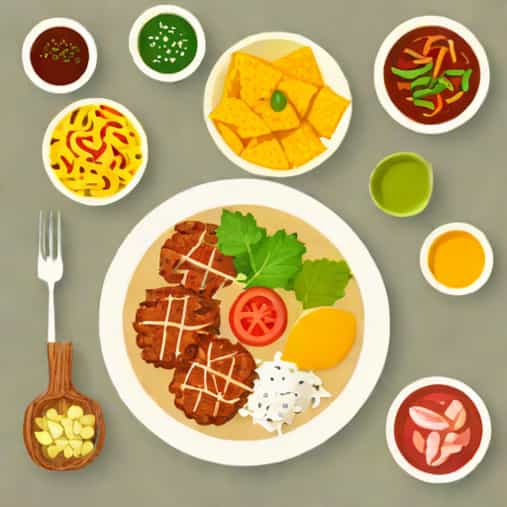
El Salvador, a small but culturally rich country in Central America, has a cuisine that reflects its history, traditions, and natural resources. One of the most iconic aspects of Salvadoran food is its use of corn, beans, and fresh vegetables, combined with unique flavors that come from local spices and cooking techniques. Salvadoran cuisine is often celebrated for its comfort foods, hearty meals, and dishes that are enjoyed both at home and during festivals. Among the variety of traditional foods, pupusas stand out as a national treasure, representing not only a delicious meal but also an important part of the country’s cultural identity.
What Are Pupusas?
Pupusas are thick, handmade corn tortillas stuffed with a variety of fillings. They are often served hot and accompanied by curtido, a lightly fermented cabbage slaw, and tomato sauce. The dough for pupusas is made from masa harina, a type of corn flour that has been treated with lime, giving the tortillas their unique texture and flavor. Pupusas can be filled with cheese, beans, pork, loroco (a Central American edible flower), or a combination of these ingredients. They are typically round, slightly thick, and cooked on a hot griddle until golden brown.
Traditional Fillings
The choice of fillings is what makes pupusas versatile and appealing to different tastes. Some of the most common fillings include
- QuesoA soft, melted cheese that provides a creamy texture.
- Refried beansSmooth and slightly savory, often mixed with cheese.
- Pork (chicharrón)Finely chopped or ground pork, seasoned and cooked before being added to the tortilla.
- LorocoA native flower bud with a delicate, earthy flavor, often paired with cheese.
The Art of Making Pupusas
Making pupusas is both a skill and a tradition. It starts with preparing the masa, which must be soft but firm enough to hold the filling. The dough is divided into small balls, which are then flattened slightly. The filling is placed in the center, and the dough is folded over to enclose it completely. The filled dough is then carefully flattened again to form a round tortilla. Cooking pupusas requires a hot, lightly greased griddle, where they are cooked on both sides until lightly browned. The result is a warm, soft, and slightly chewy tortilla with a flavorful filling inside.
Serving Pupusas
Pupusas are usually served with curtido and tomato sauce. Curtido is made from shredded cabbage, carrots, onions, and sometimes a bit of vinegar, giving it a tangy, refreshing taste. The tomato sauce is lightly seasoned and complements the richness of the pupusas. In El Salvador, it is common to eat pupusas with a fork and knife, although they are also enjoyed by hand, especially when purchased from street vendors or at festivals. This combination of textures and flavors makes pupusas a satisfying and well-loved dish.
Other Popular Salvadoran Foods
While pupusas are the most famous, Salvadoran cuisine includes a variety of other dishes that are equally delicious. Some examples include
- Yuca fritaFried cassava served with curtido or a side of meat.
- TamalesCorn dough filled with meat, vegetables, or beans, wrapped in banana leaves and steamed.
- EmpanadasFried or baked pastries filled with sweet or savory ingredients, often including beans, cheese, or pumpkin.
- Sopa de resA hearty beef soup with vegetables and corn, commonly eaten as a family meal.
- Panes con polloA Salvadoran-style chicken sandwich with fresh vegetables and flavorful sauce.
Street Food Culture
Street food plays a significant role in Salvadoran culinary culture. Pupusas are widely available from food stalls, markets, and roadside stands, often made fresh to order. Street vendors offer a variety of accompaniments, including pickled vegetables, hot sauces, and beverages such as horchata or tamarind juice. Eating pupusas on the street is an experience that combines flavor, tradition, and community, as locals gather to share meals and socialize.
The Cultural Significance of Pupusas
Pupusas are more than just a tasty food; they are a symbol of Salvadoran identity and heritage. They are often served at celebrations, family gatherings, and national holidays. In fact, there is even a National Pupusa Day celebrated on the second Sunday of November each year in El Salvador, reflecting the pride Salvadorans have in this simple yet beloved dish. Pupusas represent tradition, family, and the joy of sharing food with others.
Health and Nutrition
While pupusas are hearty and filling, they can also be part of a balanced diet. The corn dough provides carbohydrates, while fillings such as beans, cheese, and vegetables contribute protein, fiber, and essential nutrients. Curtido adds a refreshing, low-calorie component, rich in vitamins and probiotics from fermentation. Moderation is key, as fried pupusas are higher in calories, but when balanced with fresh sides and a variety of fillings, they can be enjoyed as part of a nutritious meal.
How to Enjoy Salvadoran Food at Home
For those outside El Salvador, recreating Salvadoran dishes like pupusas can be a rewarding experience. Many recipes are simple and require basic ingredients that can be found in most grocery stores. Preparing pupusas at home allows you to experiment with different fillings, seasoning combinations, and even serving styles. Sharing these dishes with family and friends is a way to experience Salvadoran culture, flavors, and hospitality, no matter where you are.
A typical Salvadoran food that stands out is the pupusa, a versatile, flavorful, and culturally significant dish. From its rich history to its delicious taste, pupusas reflect the heart of Salvadoran cuisine. Along with other traditional foods like yuca frita, tamales, and sopa de res, pupusas offer a taste of the country’s culinary heritage. Whether enjoyed at home, from a street vendor, or during a festival, Salvadoran food invites people to savor its unique flavors, embrace its traditions, and appreciate the warmth and richness of its culture.