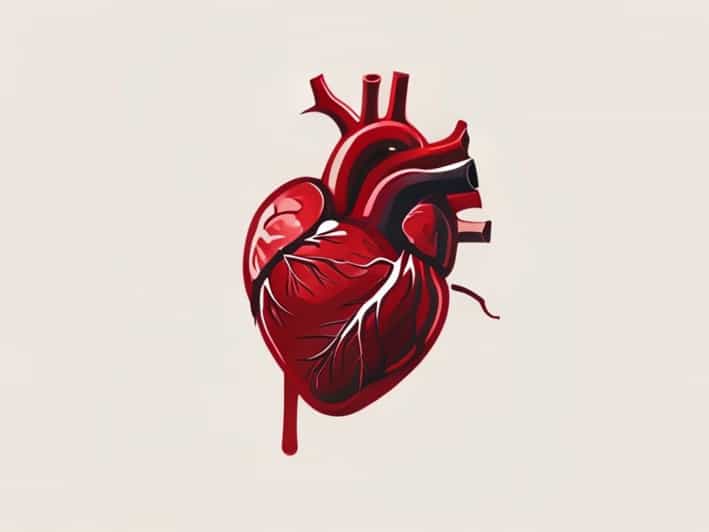
The heart is one of the most vital organs in the human body, constantly working to pump blood and sustain life. To function efficiently, the heart itself requires a steady supply of oxygen and nutrients, which it receives through a specialized network of blood vessels. Understanding the blood supply to the heart musculature is crucial for comprehending how the heart maintains its strength and rhythm, as well as for recognizing conditions that can disrupt this essential circulation, such as coronary artery disease. This topic explores the anatomy, function, and significance of the heart’s blood supply system.
Overview of Coronary Circulation
The heart’s musculature, or myocardium, receives its blood supply primarily through the coronary arteries. These arteries branch off from the ascending aorta and envelop the heart, ensuring that oxygen-rich blood reaches every part of the heart muscle. Coronary circulation is divided into two main components the coronary arteries that supply the myocardium with blood, and the cardiac veins that return deoxygenated blood to the right atrium.
Main Coronary Arteries
- Left Coronary Artery (LCA)
- Right Coronary Artery (RCA)
- Branches and smaller arteries supplying specific regions of the heart
Left Coronary Artery and Its Branches
The Left Coronary Artery (LCA) is one of the two primary arteries supplying the heart muscle. It arises from the left side of the ascending aorta and quickly divides into two major branches the Left Anterior Descending artery (LAD) and the Circumflex artery (LCx). These branches play distinct roles in delivering oxygenated blood to critical areas of the myocardium.
Left Anterior Descending (LAD) Artery
The LAD artery runs down the anterior surface of the heart, supplying blood to the front and bottom of the left ventricle as well as the front of the septum. This artery is often referred to as the widowmaker because blockages in the LAD can lead to severe heart attacks due to the extensive area it supplies.
Circumflex (LCx) Artery
The Circumflex artery travels around the left side of the heart in the coronary sulcus. It primarily supplies the lateral and posterior walls of the left ventricle. The LCx artery can also provide blood to the left atrium and occasionally contributes to the supply of the posterior part of the heart in certain individuals.
Right Coronary Artery (RCA)
The Right Coronary Artery originates from the right side of the ascending aorta and travels along the right atrioventricular groove. Its primary function is to supply blood to the right atrium, right ventricle, and portions of the left ventricle in some cases. The RCA also plays a critical role in nourishing the sinoatrial (SA) node and atrioventricular (AV) node, which are essential for the heart’s electrical conduction system.
Major Branches of the RCA
- Right Marginal Artery – supplies the right ventricle
- Posterior Descending Artery (PDA) – supplies the posterior portion of the interventricular septum and ventricles
- Small branches to the atria and conduction system nodes
Cardiac Veins and Venous Return
After oxygen and nutrients are delivered to the heart muscle, deoxygenated blood is collected by the cardiac veins and returned to the right atrium via the coronary sinus. The main cardiac veins include the Great Cardiac Vein, Middle Cardiac Vein, Small Cardiac Vein, and anterior cardiac veins. This venous network ensures that the heart maintains proper metabolic function and removes waste products effectively.
Key Cardiac Veins
- Great Cardiac Vein – runs alongside the LAD artery, drains anterior heart regions
- Middle Cardiac Vein – follows the posterior interventricular sulcus, drains posterior regions
- Small Cardiac Vein – drains the right atrium and right ventricle
- Coronary Sinus – main channel for returning deoxygenated blood to the right atrium
Physiological Significance of Coronary Blood Supply
The coronary arteries and veins work together to ensure the myocardium receives continuous oxygen and nutrients while efficiently removing metabolic waste. Because the heart cannot store oxygen like skeletal muscles, an uninterrupted blood supply is critical for its survival. Any obstruction in the coronary arteries, such as from atherosclerosis, can quickly lead to ischemia and myocardial infarction (heart attack).
Factors Affecting Coronary Blood Flow
- Heart rate and cardiac workload – increased activity raises oxygen demand
- Arterial pressure – sufficient pressure is needed to drive blood through coronary vessels
- Vascular health – plaque buildup or spasms can restrict blood flow
- Oxygen carrying capacity of blood – anemia or low hemoglobin affects oxygen delivery
Common Clinical Considerations
Understanding the blood supply to the heart musculature is essential in clinical practice. Conditions like coronary artery disease, angina, and myocardial infarction directly relate to disruptions in coronary circulation. Treatments may involve medications to dilate vessels, surgical interventions such as bypass surgery, or minimally invasive procedures like angioplasty and stent placement. Knowledge of the coronary anatomy helps clinicians target therapy effectively and prevent life-threatening complications.
Preventive Measures
- Maintaining a healthy diet and avoiding high cholesterol foods
- Regular physical activity to improve cardiovascular efficiency
- Monitoring blood pressure and blood sugar levels
- Avoiding smoking and excessive alcohol consumption
- Routine check-ups for early detection of coronary artery disease
The blood supply to the heart musculature is provided primarily via the coronary arteries, including the Left Coronary Artery with its branches (LAD and LCx) and the Right Coronary Artery with its significant branches. Cardiac veins, including the coronary sinus, ensure efficient venous return to the right atrium. This intricate network is essential for sustaining the heart’s continuous activity, delivering oxygen and nutrients, and removing waste products. Understanding coronary circulation is not only important for medical professionals but also for anyone seeking to appreciate how the heart functions and how lifestyle choices can impact cardiac health. Maintaining unobstructed blood flow through these vessels is crucial for preventing heart disease and ensuring long-term cardiovascular wellness.