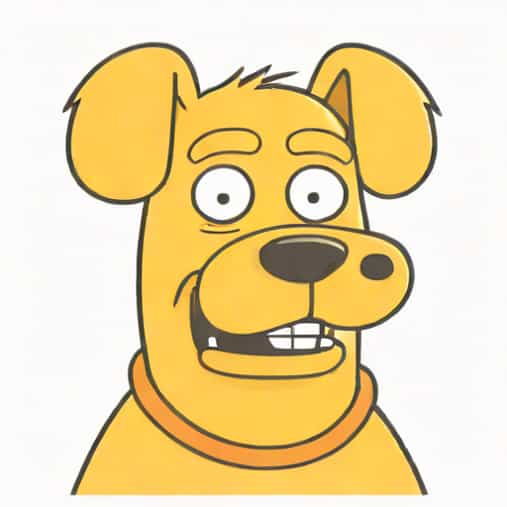
Television shows have a way of creating moments that stick in the minds of viewers, often because of unique dialogue, memorable expressions, or distinctive character interactions. One phrase that has captured attention among fans is But Marge, look at that hangdog expression. This line is recognized not just for its literal meaning but for the humor, context, and emotional nuance it conveys. It highlights the interplay between character personality, situational comedy, and audience perception. Examining this phrase provides insight into how television writing uses language, timing, and characterization to produce a lasting impact, making it both funny and memorable for viewers.
The Origin of the Phrase
This particular line comes from a popular animated sitcom, known for its witty dialogue and satirical commentary on everyday life. The speaker is often a central character whose personality combines sarcasm, exasperation, and observational humor. The phrase occurs in a scene where the character reacts to someone else’s apparent guilt or self-pity, capturing a blend of irony and recognition. The word hangdog is key to understanding the expression, as it conveys a visual of shame, defeat, or dejection that the character is highlighting in a humorous or exaggerated way.
Meaning of Hangdog Expression
The term hangdog has been used in English since the 19th century to describe someone with a guilty, shamefaced, or dejected appearance. When a character in a show says look at that hangdog expression, they are drawing attention to someone else’s emotional state, often for comedic effect. The expression is usually exaggerated in animation, emphasizing drooping eyes, slouched posture, or frowning lips. By focusing on this particular expression, the writers provide viewers with a visual cue that enhances the humor and conveys a specific social interaction.
Character Dynamics in the Scene
When analyzing this phrase, it is important to consider the characters involved. Marge in the line is typically a calm, patient, or moral center in the storyline, often serving as a foil to more impulsive or sarcastic characters. By addressing Marge directly, the speaker invites the audience to share in the judgment or recognition of the hangdog expression. This creates a layered comedic effect because the humor arises from the interaction between the characters, not just the observation itself.
Why This Line Resonates
Several factors contribute to the memorability of the line
- Character ContrastThe speaker’s sarcastic tone contrasts with Marge’s composed demeanor, heightening the comedic effect.
- Visual HumorThe term hangdog encourages the audience to imagine or recall the exaggerated expression of guilt or shame, adding a visual layer to the joke.
- Relatable SituationMany viewers can recognize similar expressions in real life, making the humor accessible and familiar.
- Timing and DeliveryIn animation, voice inflection and timing play a critical role in how the line is received, making it punchy and effective.
Cultural and Linguistic Significance
The phrase also highlights how television writing can enrich language. By using words like hangdog, writers introduce audiences to less commonly used vocabulary in a memorable context. The term becomes easier to understand and recall because it is paired with a clear visual and a humorous situation. Additionally, lines like this reflect cultural attitudes toward guilt, embarrassment, and social awareness, as they show how people perceive and react to expressions of shame or regret.
Impact on Popular Culture
Over time, phrases like But Marge, look at that hangdog expression can take on a life beyond the episode. Fans often quote lines in social media posts, memes, or discussions, keeping them alive in collective memory. These phrases also influence the way viewers talk about similar situations in everyday life, sometimes using hangdog expression humorously to describe real-life scenarios. This demonstrates the power of television dialogue to shape language, humor, and social observation.
Memorability and Repetition
One reason this line is particularly memorable is its repetition and context. Animated shows often revisit certain phrases, giving them a sense of familiarity and identity. When audiences hear the line multiple times, it reinforces the connection between the phrase, the characters, and the situation. This repetition also allows the phrase to become shorthand for a type of expression, enabling viewers to quickly understand the emotional or comedic intent when referencing it.
Role in Humor
Humor in animation relies heavily on observation, exaggeration, and timing. The hangdog expression line combines all three elements. By pointing out a specific emotional expression, exaggerating it through animation, and delivering the line with a precise tone, the writers create a moment that is funny on multiple levels. The humor is not just in the words but also in the audience’s recognition of human behavior and the playful exaggeration of reality.
How This Line Teaches Social Observation
Beyond comedy, the line serves as an example of social observation. It encourages viewers to notice body language, facial expressions, and subtle emotional cues in everyday interactions. Understanding a hangdog expression requires empathy and awareness, skills that are valuable in personal and professional relationships. The line’s humor is effective because it reflects a real human tendency noticing when someone is feeling guilty or ashamed, often in a slightly exaggerated but recognizable way.
Application in Everyday Life
Fans of the show often adopt phrases like this in casual conversation. People might say look at that hangdog expression to comment on a friend’s guilty or sheepish look, transferring a piece of pop culture into everyday communication. This shows how television dialogue can extend beyond the screen, influencing language, humor, and social interactions in broader contexts.
But Marge, look at that hangdog expression is more than just a line from a television show; it is a demonstration of how language, character dynamics, and visual storytelling work together to create humor and memorable moments. The phrase illustrates the importance of word choice, timing, and social context in writing, while also teaching viewers to notice and interpret human expressions. Its cultural impact extends beyond the episode, influencing how fans describe guilt, shame, or sheepish behavior in real life. By analyzing such lines, audiences can gain insight into both the art of television writing and the subtle ways media shapes language, humor, and social perception. Ultimately, this simple yet effective phrase shows how a few well-chosen words, combined with character and context, can leave a lasting impression on viewers for years to come.